





The Inevitable Decline?
As we get older, our bodies change. One of the most noticeable shifts is the gradual loss of muscle mass, strength, and function, a process known as sarcopenia. Starting as early as our 30s, we can lose 3-8% of our muscle mass per decade, a rate that
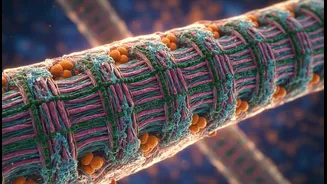
accelerates after age 60. This isn't just about struggling to open a jar; it's linked to a higher risk of falls, frailty, metabolic issues, and a lower quality of life. For decades, doctors and scientists have told us that exercise, particularly resistance training, is the best defence. While we could see the results in improved strength and mobility, the precise molecular events happening deep within the muscle tissue remained something of a black box. We knew the 'what', but not the complete 'how'.
Science's New Super-Lens
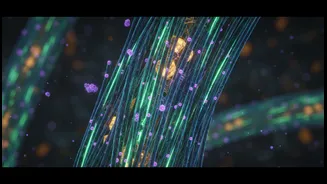
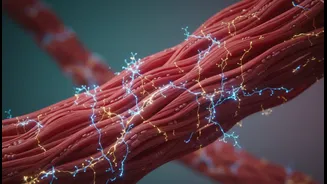
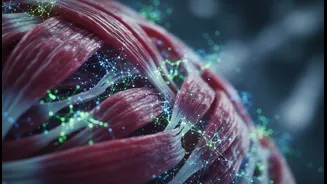
Enter multi-omics analysis. This isn't just one type of test; it's a revolutionary approach that combines several fields of study to create a single, incredibly detailed map of biological activity. Imagine trying to understand a city by only looking at its road map. You'd miss the traffic flow, the power grid, and the communication networks. Traditional science often looked at one thing at a time—just the genes (genomics), just the proteins (proteomics), or just the metabolic byproducts (metabolomics). Multi-omics integrates all these layers and more, showing how they interact in real-time. By applying this super-lens to human skeletal muscle, researchers can now see the complete symphony of molecular changes that occur in response to stimuli like exercise.
Rewriting the Ageing Script
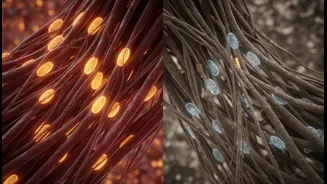
When scientists used multi-omics to compare muscle from older, sedentary adults with those who exercise, the results were stunning. They found that exercise quite literally reverses some of the key drivers of aging at a molecular level. One major finding relates to our mitochondria, the powerhouses of our cells. With age, mitochondrial function declines, leading to energy loss. Studies show that a regular resistance training program can rejuvenate the genetic fingerprint of mitochondria in older adults, making them look and function more like those in younger people. Furthermore, exercise helps the body clear out senescent cells—often called 'zombie cells'—which are damaged cells that refuse to die and instead create inflammation that accelerates aging. An active muscle is a clean muscle.
Finding the Master Switch
The power of multi-omics is that it can pinpoint specific regulators that control these broad changes. In a breakthrough finding, researchers recently identified a gene called DEAF1 as a key player in muscle aging. As we age, DEAF1 levels tend to rise, which disrupts the delicate balance in our muscle cells. It throws the system into a state of constant, inefficient production while slowing down the crucial process of recycling and repairing damaged proteins. This leads to an accumulation of cellular 'junk' and weaker muscles. The exciting discovery was that exercise acts like a master switch. Physical activity activates other proteins that suppress DEAF1, restoring the balance and allowing the muscle to effectively 'clean house' and repair itself, maintaining strength and resilience.
What This Means For You
This cutting-edge science reinforces a very simple, practical truth: movement is medicine. The research consistently points to resistance training—working your muscles against an opposing force—as being particularly potent. This doesn't necessarily mean you have to become a powerlifter. Resistance can come from bodyweight exercises, resistance bands, or lifting everyday objects. The key is consistency. Studies demonstrating these profound anti-aging effects often involve just two or three sessions a week. The benefits go beyond simple strength; stronger muscles help regulate blood sugar, improve bone density, and secrete beneficial compounds called myokines that have positive effects throughout the body. It's never too late to start, with studies showing benefits even for those who begin training after age 70.