





A Digital Shift Beyond the Golden Triangle
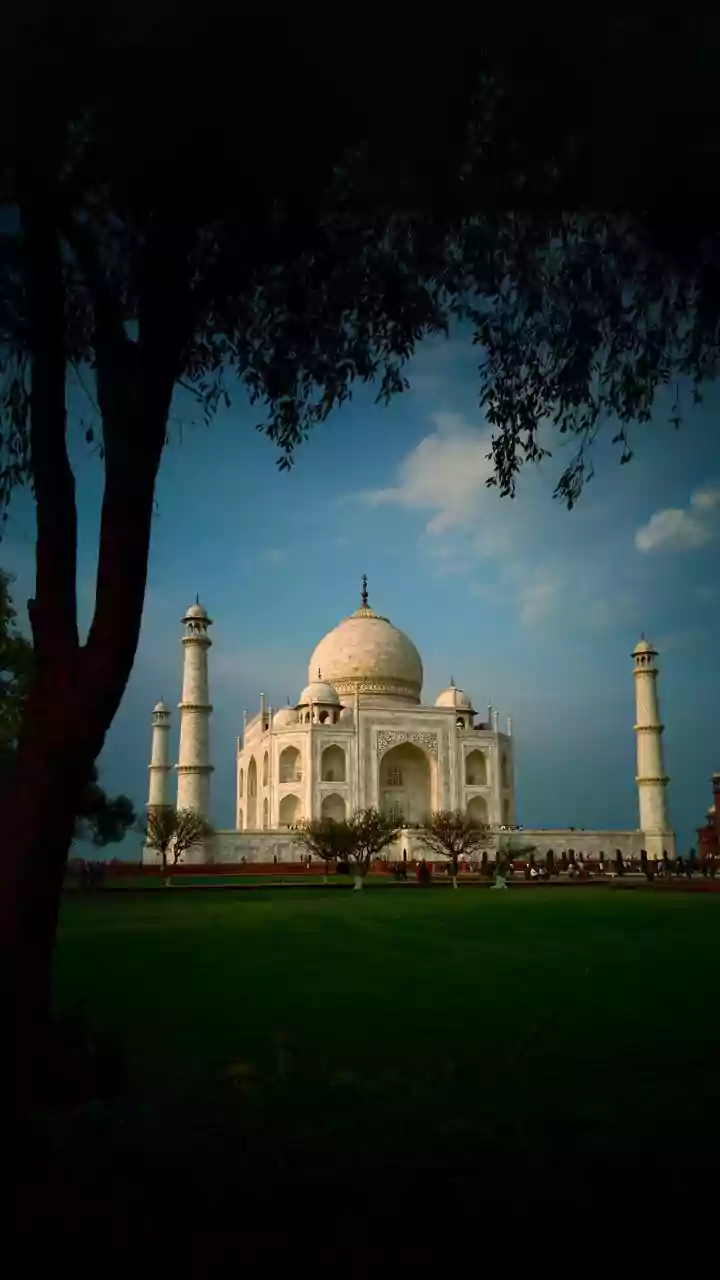
The narrative of Indian tourism is expanding. For decades, the focus for many international and domestic travellers was squarely on the Golden Triangle of Delhi, Agra, and Jaipur, with a few other major sites sprinkled in. Official tourism promotion often
followed suit, leaving vast, beautiful, and culturally rich parts of the country as mere footnotes. However, a significant change is taking place, driven by evolving traveller demands for authenticity and a concerted push from government bodies. Initiatives like the Ministry of Tourism's revamped 'Incredible India' digital platform signal a national strategy to highlight the nation's full diversity. This top-down effort is empowering state tourism boards to invest in their own digital front doors, moving beyond static online brochures to create genuinely useful resources that cater to the modern, curious traveller.
What Makes a Modern Tourism Website Useful?
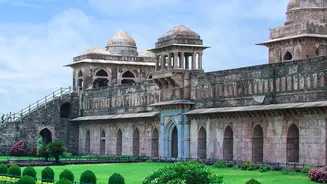
The most significant upgrade is the move from mere information portals to interactive, service-oriented platforms. A truly useful website today does more than just list destinations; it helps you experience them virtually and plan your trip seamlessly. Features that were once rare are becoming standard, including trip planners that allow you to build a personal itinerary, integrated booking engines for hotels and homestays, and detailed guides on transportation. Kerala Tourism’s revamped website, for instance, offers an immersive experience with 360-degree views, user-generated content, and extensive multimedia galleries. Similarly, Madhya Pradesh has introduced digital tools like a WhatsApp chatbot for e-ticketing and GIS mapping of all its monuments and museums, making exploration easier than ever. Many sites now categorize destinations by interest—such as wellness, wildlife, heritage, or adventure—allowing travellers to discover places that align with their passions rather than just their geographic familiarity.
States Leading the Digital Charge
Several states are emerging as frontrunners in this digital-first approach. Kerala, long celebrated for its marketing, unveiled a redesigned website with a user-friendly interface to provide seamless access to information on everything from its famous backwaters to undiscovered gems. The site has dedicated sections for unique experiences and even highlights unexplored destinations for those looking to get off the beaten path. Odisha is another state leveraging its digital presence to promote destinations beyond the popular Puri-Konark circuit. Its tourism websites now actively feature eco-tourism spots and tribal tours, providing detailed information on community-run nature camps in places like Koraput and eco-cottages on Deomali, the state's highest peak. Meanwhile, Madhya Pradesh Tourism is using its platform to showcase rural homestays, tiger reserves, and even new offerings like heli-tourism to connect spiritual and heritage circuits. These states are proving that a well-designed website can effectively manage tourist flow and encourage a more sustainable form of travel that benefits local communities.
Uncovering Hidden Gems Through Your Screen
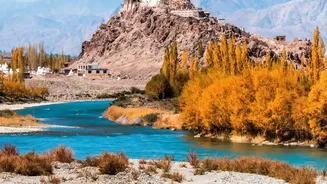
The real victory for travellers is the unprecedented access to information about lesser-known locales. With a few clicks, you can now discover and plan a trip to places that were once the domain of intrepid backpackers and word-of-mouth explorers. The Kerala Tourism site, for instance, might lead you to the serene beach of Kappil or the Thattekad Bird Sanctuary instead of the more crowded spots. On the Odisha Tourism portal, you can find details about community-run eco-parks at Chitrakonda or stays in the pine forests of Koraput. Similarly, the Gujarat Tourism website offers curated trails based on interests like handicrafts, bird watching, or ancient Indus Valley Civilization sites, guiding you to places like the lesser-known gems of Kutch. These platforms are not just listing names; they are providing the practical details—accommodations, activities, and local contacts—needed to turn curiosity into a concrete travel plan, empowering travellers to explore the heart of India with confidence.