



The Right Rainwear: Poncho vs. Jacket
An umbrella is not practical on a windy, slippery trail. Your primary defence is a reliable waterproof outer layer. While a good quality waterproof jacket is a staple, many seasoned trekkers in the Ghats prefer a full-length poncho. A poncho offers superior
ventilation, which is a blessing in the high humidity, and it is large enough to cover both you and your backpack, offering an extra layer of protection for your gear. Look for options that are lightweight and fold down into a small pouch. The goal is to keep the relentless rain out without trapping sweat and heat inside.
Clothing: Think Quick-Dry, Not Cotton
Cotton is your worst enemy in the monsoon. Once wet, it becomes heavy, cold, and takes days to dry in the humid climate. Instead, pack clothes made from quick-drying synthetic fabrics like polyester or nylon. These materials wick moisture away from your body and will actually dry overnight if you need to wash them. Pack two or three quick-dry t-shirts and at least one pair of lightweight synthetic trek pants. Darker coloured clothing is also a practical choice as it won't show mud splashes as easily. Having a full change of dry clothes sealed in a separate waterproof bag is a non-negotiable for safety and comfort.
Footwear: Grip is Everything
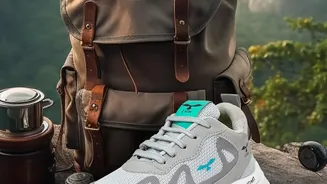
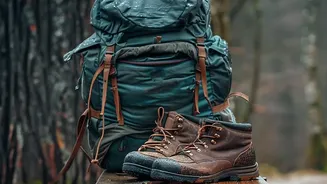
Monsoon trails in the Western Ghats are notoriously slippery, with wet rocks, loose mud, and slick moss. Your footwear choice is critical for safety. Look for trekking shoes or sturdy sandals that have deep grooves, or lugs, on the sole for excellent traction. A soft rubber sole provides better friction on wet surfaces. While waterproof shoes sound ideal, some experts argue that once water gets in (which can happen during stream crossings), it can't get out. An alternative is a shoe with a quick-draining mesh upper that dries faster. Whichever you choose, ensure they are well broken-in before your trip to prevent blisters.
Gear Protection: The Dry Bag Strategy
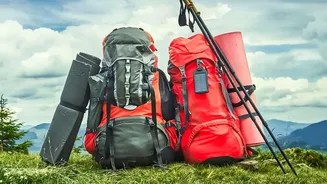
Even if your backpack comes with a rain cover, do not rely on it alone to keep your essentials dry. Heavy downpours can still find a way in. The foolproof method is to pack your belongings in layers. Use a large waterproof pack liner or a simple, thick garbage bag as the first line of defence inside your backpack. Then, compartmentalise sensitive items like electronics, a first-aid kit, and your change of clothes into smaller, dedicated dry bags or high-quality zip-lock pouches. This double-bagging system ensures that even if your main backpack gets damp, your critical gear remains perfectly dry.
Health and Safety: Leeches and First-Aid
Monsoon treks in the Ghats often mean encountering leeches. While they are mostly harmless, their bites can be unnerving. Wearing high-ankle shoes and tucking your pants into your socks can help. Specialised leech socks that go up to your knee are also highly effective. Your first-aid kit should be tailored for the monsoon environment, containing antiseptic wipes, bandages for cuts, blister treatment, and any personal medications. It's also wise to carry a small bottle of hand sanitiser and insect repellent. Some trekkers also carry a bit of salt or tobacco to help remove leeches easily if they do attach.
Essential Extras: Power and Light
In rural areas and hill stations, monsoon weather can sometimes lead to power cuts. A fully charged power bank is essential to keep your phone and other devices running, especially if you rely on them for navigation or communication. Keep your power bank and charging cables in a waterproof pouch. A small flashlight or a headlamp is another must-have, as heavy cloud cover can make it dark even during the day, and it's invaluable if you're caught on the trail after dusk.