


The Forest in Emerald Green
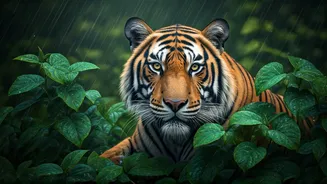
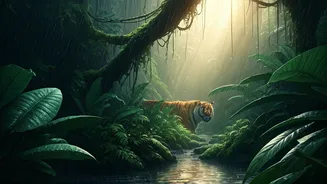
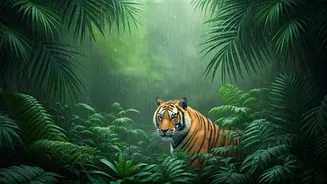
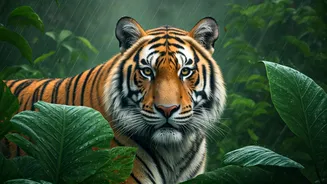
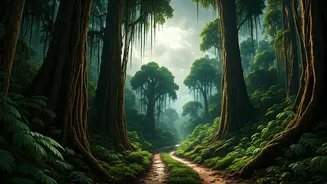
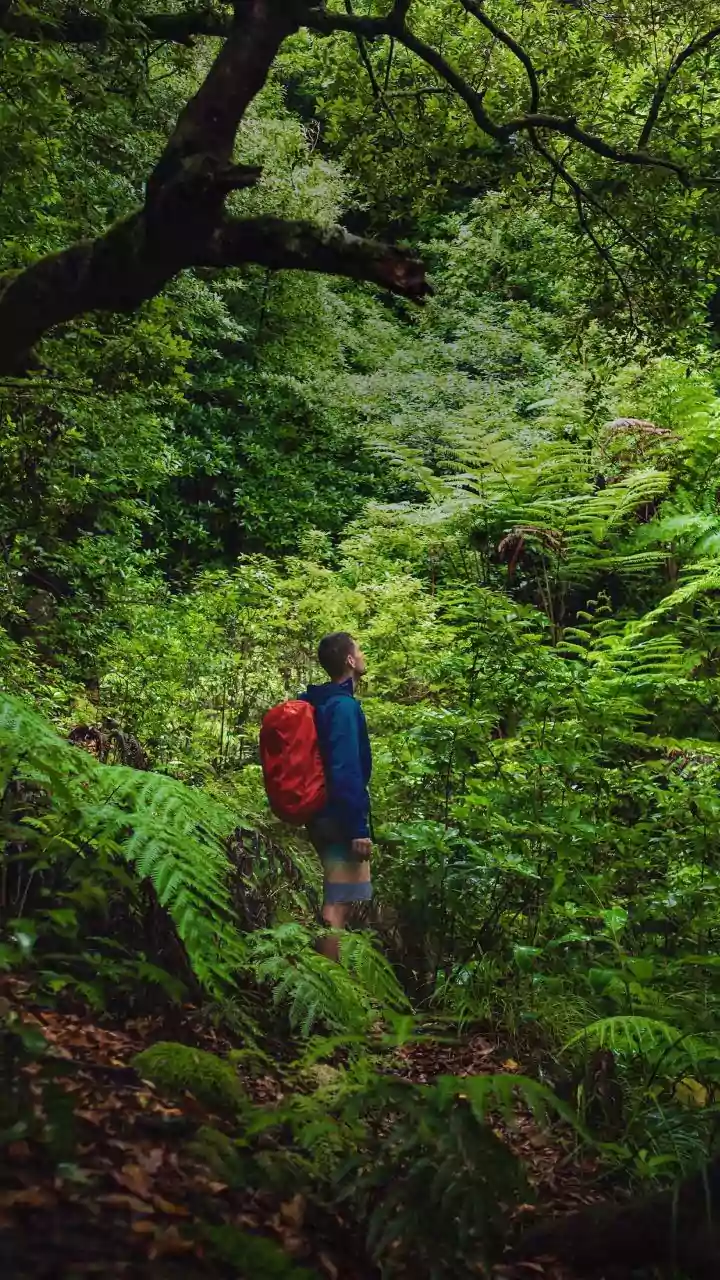
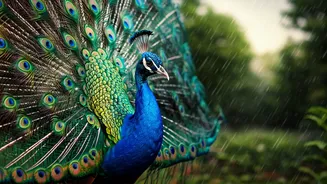
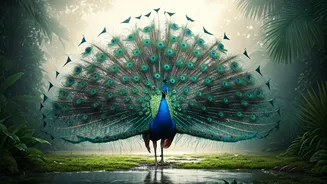
The most immediate and striking difference is the landscape itself. The parched, dusty browns of summer give way to an almost impossible palette of greens. The first rains wash the dust off every leaf, revealing a vibrant, glistening world. Towering sal
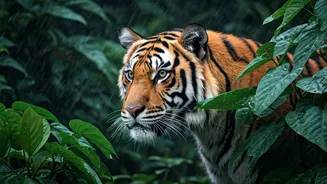
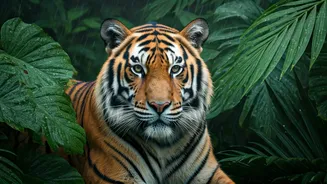
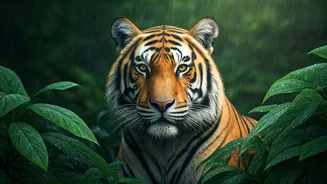
trees, dense bamboo groves, and sprawling grasslands are reborn in staggering shades of emerald, jade, and lime. This verdant backdrop doesn't just make for stunning scenery; it creates a high-contrast canvas that makes animals, especially the ones with brightly coloured coats like tigers and leopards, stand out in sharp relief. The air is clean, the earth smells of petrichor, and the entire ecosystem feels rejuvenated and bursting with life.
Unique Animal Sightings and Behaviours
While many core zones of national parks close, several buffer zones and specific parks like Periyar in Kerala and parts of Corbett in Uttarakhand remain open. The animal behaviour during this season is a major draw. With water sources plentiful, animals don't need to congregate at a few specific waterholes, meaning they roam more freely. The cooler temperatures also mean that predators, including tigers, are often more active during the day. Reptiles and amphibians are at their most active, with a symphony of frog calls filling the air. Furthermore, it’s mating season for many species, including several types of deer, offering a chance to witness unique courtship rituals.
An Escape from the Crowds
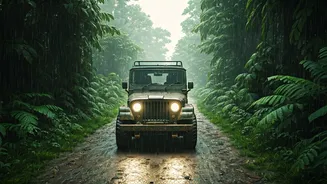
If the long queues of safari jeeps and the jostle for the perfect photograph during peak season frustrate you, the monsoon is your answer. This is the off-season for a reason, and it guarantees a far more intimate and peaceful experience. Fewer tourists mean less noise, less disturbance to the wildlife, and a greater sense of having the wilderness to yourself. You can linger longer at a sighting without pressure from another vehicle behind you. For a true nature lover, this solitude is the ultimate luxury, allowing for a deeper, more personal connection with the environment.
A Photographer’s Dream Canvas
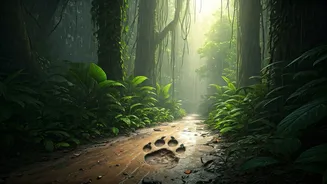
Wildlife photographers are increasingly planning monsoon trips for several compelling reasons. The harsh, direct sunlight of summer is replaced by soft, diffused light filtered through overcast skies, which is perfect for capturing detail without harsh shadows. The vibrant green background creates a beautiful, clean bokeh, making the subject pop. Dramatic skies, misty mornings, and rain-soaked foliage add layers of mood and atmosphere to photographs that are simply impossible to achieve in other seasons. From a close-up of a dew-covered spiderweb to a tiger walking through a rain-drenched path, the photographic opportunities are unique and incredibly rewarding.
Comfort and Better Value
Let’s not forget the practical benefits. The sweltering heat of April and May can make midday safaris exhausting. The monsoon brings a welcome drop in temperatures, making the entire experience far more pleasant. The rain washes away the dust, a constant companion on summer safaris, leaving the air fresh and clean. Moreover, the off-season timing often translates to significant savings. Many lodges and resorts offer attractive monsoon packages and discounts, making a premium wildlife experience more accessible. You get better value, not just in terms of money, but in the quality and exclusivity of the experience.
Where to Go?
Before you pack your bags, it's crucial to know that not all parks are open. However, a fantastic selection awaits. Tadoba-Andhari Tiger Reserve in Maharashtra keeps its buffer zones open, which have excellent tiger populations. In Uttarakhand, the Jhirna and Dhela zones of Jim Corbett National Park are open year-round. Down south, Periyar National Park in Kerala offers a unique experience with boat safaris on the lake, which is magical in the rain. Similarly, parts of Kabini in Karnataka welcome visitors. Always check the official park websites for the most current information on accessibility and safari bookings before making plans.