







The Great Indian Kitchen Makeover
The Indian plate is undergoing a historic transformation. For decades, the national diet was heavily dominated by cereals like rice and wheat. Now, thanks to rising incomes and better market access, there is a clear shift. Households are spending less
of their food budget on basic grains and more on diverse items like milk, fruits, eggs, and meat. This diversification is a positive sign, indicating a move away from a purely calorie-focused diet. However, this shift is not entirely wholesome. The consumption of ultra-processed foods—packaged snacks, sugary drinks, and instant meals—has also skyrocketed. This has created a nutritional paradox: while some are eating a more varied diet than ever before, many are also consuming more unhealthy fats, sugars, and sodium, contributing to a rise in lifestyle diseases like obesity and diabetes.
Beyond an Empty Stomach: The Specter of Hidden Hunger
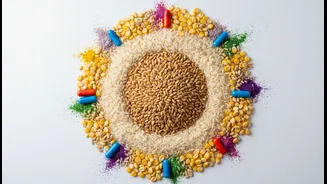
Even as India produces more food, a silent epidemic persists: 'hidden hunger'. This isn't about the feeling of an empty stomach; it's a chronic lack of essential vitamins and minerals, also known as micronutrient deficiencies. A person can consume enough calories to feel full but still be severely malnourished in terms of these vital nutrients. Shockingly, it is estimated that more than two billion people suffer from hidden hunger globally, with nearly half living in India. Deficiencies in iron, iodine, zinc, vitamin A, and B12 are widespread, leading to severe health consequences. These include anaemia, impaired brain development in children, weakened immune systems, and increased risk of chronic diseases. The irony is that this condition can exist even in overweight individuals, highlighting that quantity of food does not equal quality of nutrition.
The Affordability Hurdle
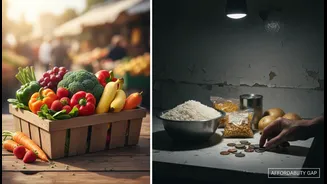
For millions of Indians, a healthy diet remains a luxury. While the cost of a basic meal has been managed by schemes like the Public Distribution System (PDS), a truly nutritious and diverse diet is often unaffordable. Studies show that when the prices of pulses, vegetables, and milk rise, low-income families are the first to cut back on these items, relying instead on cheaper, calorie-dense cereals. A significant portion of the rural poor cannot afford a diet that meets nutritional recommendations. Affordability varies dramatically across states, with geography and supply chains playing a huge role. For a healthy diet to become a reality for all, policies need to look beyond just providing basic grains and focus on making nutrient-rich foods like fruits, vegetables, and proteins accessible and affordable.
Why a Single Number Is Not Enough
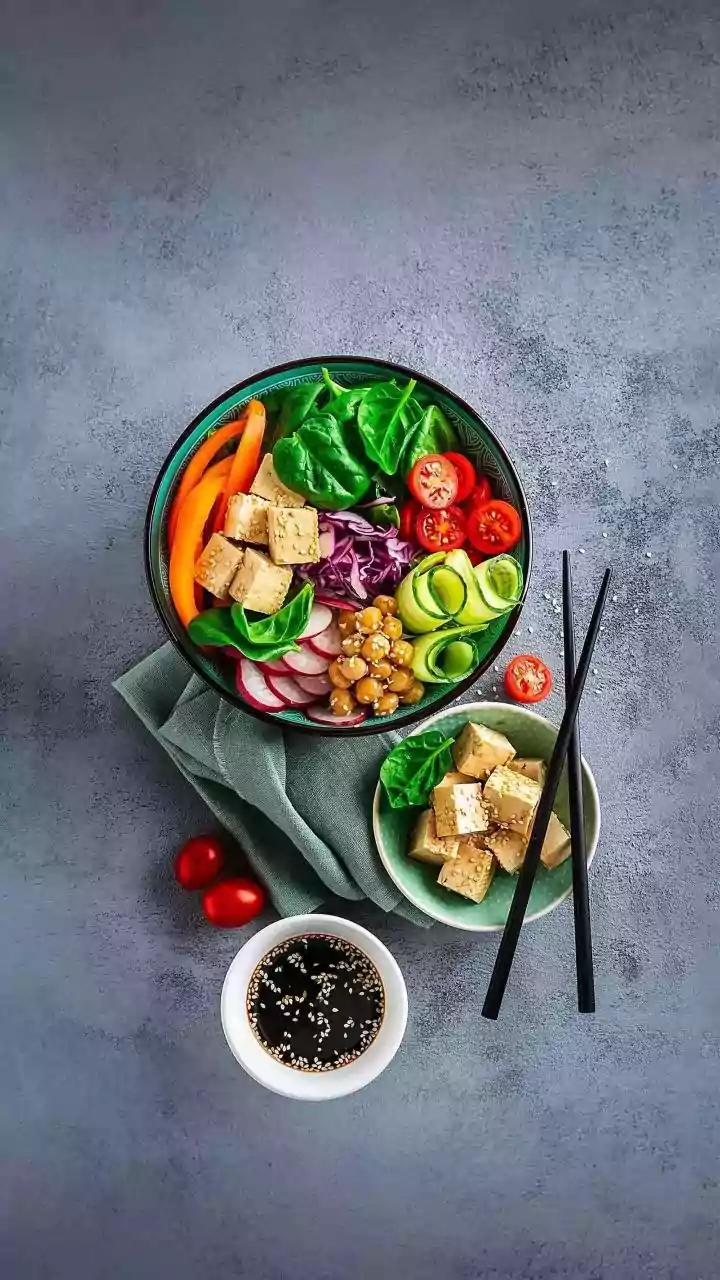
In the quest to simplify complex nutritional information, there's a temptation to rely on single-number conclusions or labels, like calorie counts or star ratings. However, this approach can be misleading. Focusing solely on calories ignores the vast difference between a calorie from a soft drink and a calorie from a handful of almonds. Similarly, a food product might get a good rating for being low in fat but could be high in sugar and sodium. Experts argue that reducing nutrition to a single score is 'vulgar' because it strips away crucial context about food quality, processing, and its role in a balanced diet. Instead of simplistic metrics, the focus should be on promoting dietary patterns—emphasizing variety, whole foods, and the importance of a balanced plate with adequate protein, vitamins, and minerals.
A Prescription for a Healthier Plate
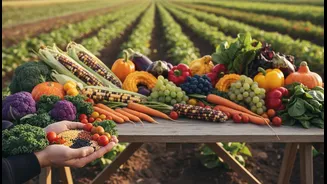
Tackling India’s complex nutritional challenge requires a holistic approach. It’s not just about producing more food, but producing the right kind of food and ensuring it reaches everyone. This involves several key strategies. Firstly, public food programs like PDS and mid-day meals could be diversified to include millets, pulses, and eggs, improving the protein and micronutrient intake for the most vulnerable. Secondly, robust nutrition education is needed to create awareness about balanced diets and the dangers of both undernutrition and overconsumption of processed foods. Finally, agricultural policies must support farmers in growing a diverse range of crops, not just staple grains. By promoting dietary diversity, ensuring affordability, and moving beyond simplistic metrics, India can leverage its changing food basket to build a healthier, more resilient future for all its citizens.