





The Rain Shadow Deception
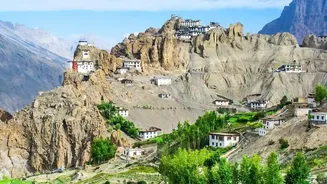
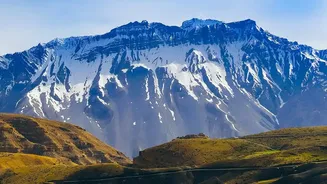
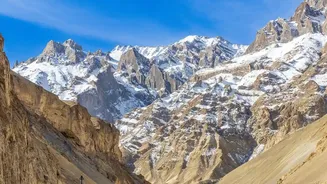
The single most important thing to understand about Spiti in the monsoon is the 'rain shadow' effect. The main valley itself receives very little rainfall, often remaining sunny and dry. This creates a deceptive sense of safety. The real danger isn't
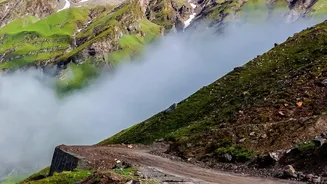
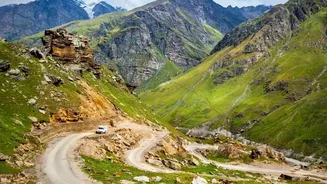
in Spiti, but on the treacherous roads you must take to get there. The approach routes from Manali and Shimla pass through regions that bear the full brunt of the monsoon, and this is where a dream trip can turn into a nightmare. As of early August 2026, authorities have issued heavy rainfall alerts for many districts in Himachal Pradesh, advising against non-essential travel.
Landslides: The Silent Roadblock
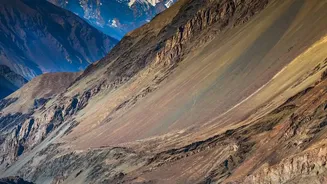
Monsoon rains saturate the steep, fragile slopes leading to Spiti, making them incredibly unstable. Landslides are not a possibility; they are a certainty. These can range from small slides that block a road for a few hours to massive ones that can wash away entire sections of the highway, leaving travellers stranded for days. Stretches like the Hindustan-Tibet road (NH-5) via Kinnaur and the Manali-Kaza highway are notoriously prone to slides. Official reports from this monsoon season already count numerous road closures across the state due to landslides, with the districts of Mandi and Kullu, which serve as gateways to Spiti, being heavily affected.
Water Crossings: The Raging Nallahs
What looks like a trickle in the morning can become a raging, impassable torrent by the afternoon. These water crossings, or 'nallahs', are one of the biggest challenges for off-roaders. Fed by rain and melting glaciers, their flow is unpredictable and powerful. The infamous 'Pagal Nallah' on the Manali route lives up to its name, meaning 'mad stream'. Trying to cross a swollen nallah can lead to your vehicle getting stuck, damaged, or worse, swept away. Recent incidents in the Lahaul-Spiti region, even outside of rainfall, have shown how glacier melt can cause flash floods, wash away roads, and strand dozens of vehicles.
The Peril of Getting Stranded
A landslide or flash flood doesn't just delay your trip; it can cut you off completely. Many parts of the journey to Spiti have zero mobile network coverage. If you get stranded, you could be on your own for a significant amount of time without the ability to call for help. Waiting for the Border Roads Organisation (BRO) to clear a major slide can take hours or even days. In March 2024, a weather event in Spiti left over 80 tourists stranded, requiring rescue and relocation to safer areas. During the monsoon, the risk of such an event happening on the approach roads is magnified.
Your Vehicle Under Duress
The monsoon terrain is brutal on any vehicle, even a well-prepared 4x4. The combination of slush, mud, sharp and hidden rocks, and constant immersion in water puts immense strain on your machine. Tyre blowouts from sharp stones are a frequent complaint. Driving through deep, gritty water can damage engine components, axles, and electrical systems. The notorious stretch between Gramphu and Batal on the Manali route is less a road and more a 60-kilometre-long track of boulders and water, testing the limits of both driver and vehicle.
A Safer Approach: Planning is Everything
If you must travel to Spiti during this period, exercise extreme caution. The Shimla to Kaza route is generally considered more stable than the Manali-Kaza road, though it is still prone to landslides. Always build several buffer days into your itinerary to account for inevitable delays. Check with local authorities and police social media pages for real-time road status updates before you start your engine each day. Most importantly, heed official warnings. If authorities advise against travel, listen. The mountains aren't going anywhere.