

The Problem with ‘Forever’ Furniture
For years, buying furniture meant investing in heavy, standalone pieces—a massive sofa, a bulky bed frame, a solid wood dining table. These items were purchased with permanence in mind. But for today's urban renter, life is anything but permanent. Frequent
moves, varying apartment layouts, and the desire for multi-use spaces have exposed the flaws of traditional furniture. A sofa that was perfect for one living room might not fit through the narrow staircase of the next building, while a large bed can dominate a smaller bedroom, leaving little room for anything else. This has led to a major shift in thinking: instead of buying furniture that dictates how a space is used, renters are now seeking pieces that adapt to their dynamic lifestyles.
What Exactly Is Modular Furniture?
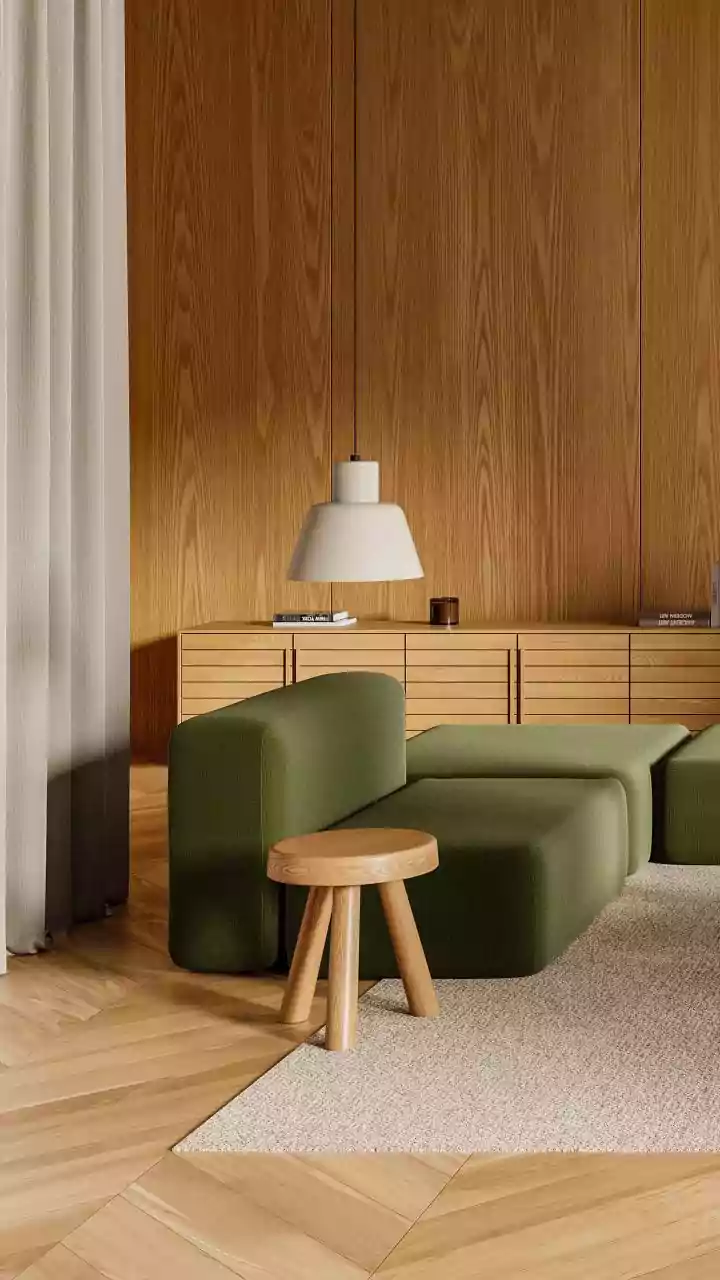
Think of modular furniture as building blocks for adults. Instead of a single, fixed unit, it consists of individual sections, or “modules,” that can be combined and rearranged in various ways. A modular sofa, for example, is made of separate seating components that can form an L-shape, a U-shape, or even be split into individual chairs. The same principle applies to shelving, wardrobes, and even beds with detachable storage units. This approach allows you to create a custom configuration that perfectly fits your space and needs, rather than being limited by a manufacturer's pre-set design.
The Ultimate Freedom for Renters
The single biggest advantage of modular furniture for renters is its incredible flexibility. Moving day becomes significantly less stressful when your large sofa can be broken down into lightweight, manageable pieces that fit easily through tight doorways and elevators. This adaptability also makes it a wiser long-term investment. Instead of selling a beloved couch that doesn’t fit your new home, you can simply reconfigure the modules or add new ones to suit the new layout. Whether you're moving from a studio to a 2BHK or simply want to refresh your living room layout, modular pieces evolve with you, providing a sense of stability and continuity in a rental journey that is often unpredictable.
More Than Just a Space-Saver
While maximizing floor space is a key benefit, the appeal of modular design goes much deeper. An adaptable home environment can significantly boost psychological well-being. The ability to reconfigure your surroundings gives you a sense of control and competence, reducing the stress that comes from feeling confined or cluttered. A living room that can easily transform into a workspace or a guest area makes the home feel more functional and responsive to your needs. This empowerment to shape your personal space helps turn a temporary rental into a true home, a place that reflects who you are and supports your daily life.
How to Get Started with Modular
Adopting a modular mindset doesn't require a complete overhaul. Start with one key area, like the living room. Look for a modular sofa that balances comfort with a contemporary aesthetic. In India, current trends favor neutral colors like grey and beige, which are easy to style, as well as curved, organic shapes that feel more inviting. When choosing, prioritize features like tool-free assembly, lightweight sections, and durable materials to ensure your investment lasts. Beyond sofas, consider wall-mounted vertical shelving to utilize wall space without cluttering the floor, or a nest of tables that can be separated for guests and tucked away after. The goal is to choose pieces that work hard and look great, giving you the most function out of every square foot.