





A Taste of Tradition, Reimagined
For generations, the tart, ruby-red goodness of kokum sharbat and the sweet, astringent burst of jamun have been staples of Indian households, especially during the sweltering summer months. These flavours are deeply woven into our collective memory,
synonymous with refreshment and simple pleasures. Today, however, these beloved ingredients are moving from the home kitchen to the high-end bar counter. Innovative bartenders across India's cities are championing indigenous ingredients, and kokum and jamun are at the forefront of this movement. They are being reimagined not just as simple coolers, but as the base for complex, adult-oriented non-alcoholic beverages that cater to a growing demand for drinks with personality, flavour, and a sense of place.
The Art of Cold-Steeping
The secret to unlocking the purest essence of these fruits lies in a technique called cold-steeping. Unlike traditional methods that involve boiling or simmering ingredients to create a syrup or concentrate, cold-steeping is a slow, gentle process. Much like making cold-brew coffee, the ingredients—in this case, dried kokum peels or crushed fresh jamun—are simply left to infuse in cold water for several hours, typically in a refrigerator. This 'low and slow' method has a significant advantage: it extracts the vibrant colours and delicate fruit flavours without pulling out the bitter compounds known as tannins. Hot water can often extract these tannins, leading to a harsher or more acidic taste. Cold-steeping, by contrast, results in a smoother, rounder, and more naturally sweet flavour profile, creating a perfect foundation for a refined mocktail.
Why Kokum and Jamun Shine
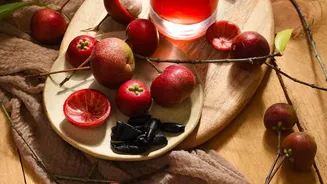
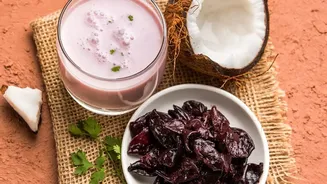
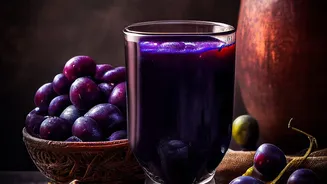
Kokum is a perfect candidate for this technique. The dried rind of the Garcinia indica fruit has a unique sour-fruity taste, somewhere between a plum and tamarind. When boiled, it can sometimes release a sharp bitterness alongside its desired tang. Cold-steeping, however, gently coaxes out its bright, refreshing sourness and signature pink hue while leaving the bitterness behind. This produces a clean, crisp liquid that pairs beautifully with spices like cumin or a hint of black salt. Jamun, or the black plum, also benefits immensely. Its flavour is a delicate balance of sweet, tart, and astringent notes. Heat can dull these subtleties and break down its gorgeous deep purple colour. By cold-steeping crushed fresh or frozen jamun, bartenders preserve the integrity of the fruit. The resulting infusion is visually stunning and captures the authentic, slightly earthy sweetness of fresh jamun, making it an ideal component for a sophisticated drink without the need for excess sugar.
From the Bar to Your Glass
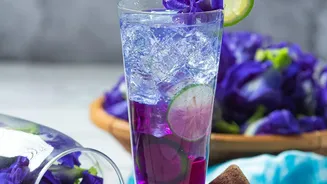
In the hands of creative mixologists, these cold-steeped infusions become the heart of truly special mocktails. A kokum infusion might be served as a 'Kokum Fizz', simply topped with sparkling water, a squeeze of lime, and a pinch of roasted cumin powder for an earthy aroma. Another popular creation is a non-alcoholic 'Kokum Mojito', where the infusion is muddled with fresh mint leaves and a touch of sweetness before being topped with soda. Jamun infusions are being used to create drinks like the 'Jamun Ginger Sparkler', where the fruit's sweetness is balanced by the spice of ginger syrup and the fizz of soda water. These mocktails are often garnished thoughtfully with fresh mint sprigs, lime wheels, or even a few whole jamuns, turning them into a feast for the eyes as well as the palate. The result is a drink that feels every bit as considered and complex as a traditional cocktail.
More Than Just a Trend
The rise of these cold-steeped mocktails speaks to a larger shift in India's beverage culture. There is a growing pride in local ingredients and a desire to showcase them in new and exciting ways. Simultaneously, health-conscious consumers are actively seeking out flavourful, low-sugar alternatives to alcoholic drinks and mass-produced sodas. They don't want to compromise on flavour or experience. Cold-steeped kokum and jamun mocktails fit this niche perfectly, offering a guilt-free indulgence that is both delicious and deeply rooted in Indian culinary heritage. It represents a return to natural flavours, enhanced by a modern technique that respects the ingredients.