






What Exactly is This Ancient Elixir?
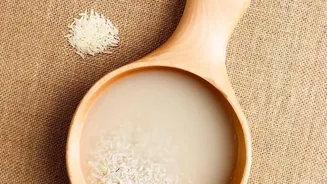
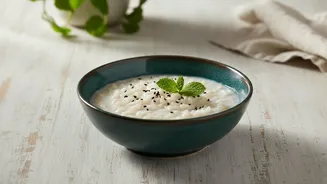
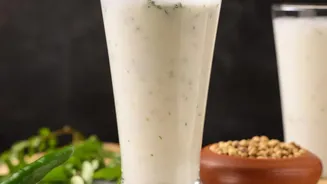
At its core, fermented rice water is the liquid left over after rice has been soaked or boiled and then left to ferment for a period, typically 24 to 48 hours. In India, this concoction is widely known as Kanji or Neeragaram, traditionally made by soaking
leftover cooked rice in water overnight in an earthen pot. The fermentation process is key; it encourages the growth of beneficial bacteria, like Lactobacillus, turning the simple starchy water into a liquid rich in probiotics, vitamins B and E, minerals, amino acids, and antioxidants.
A Tradition Steeped in History
The use of rice water is not a new wellness fad but a practice with deep cultural roots across Asia. For centuries, it has been a staple in beauty and health rituals. Perhaps most famously, the Yao women of China, known for their exceptionally long and healthy hair, have used fermented rice water as a hair rinse for generations. Similarly, court ladies during Japan's Heian period (794-1185 AD) were reputed to use the starchy water to maintain their floor-length, lustrous hair. In India and Southeast Asia, Kanji has long been consumed as a cooling summer drink, a gentle remedy for digestive issues, and a source of quick energy.
The Modern Wellness Boom
So why the sudden surge in popularity? The current interest in fermented rice water aligns perfectly with several major wellness trends. There is a growing fascination with gut health and the role of probiotics in overall wellbeing. As a natural, homemade probiotic, fermented rice water offers an affordable alternative to expensive supplements. Furthermore, consumers are increasingly drawn to natural, traditional remedies and clean beauty, seeking solutions with simple, recognizable ingredients over complex chemical formulations. Social media has also played a significant role, with influencers and beauty enthusiasts sharing their DIY recipes and impressive results for hair and skin care.
The Science Behind the Claims
While much of the evidence remains anecdotal, modern science is beginning to validate some of the traditional claims. For gut health, the fermentation process creates probiotics and postbiotics—beneficial compounds that can help balance the gut microbiome, aid digestion, and reduce inflammation. For skin, studies suggest fermented rice water's antioxidants, like ferulic acid, can help protect against sun damage. Some research indicates it may boost collagen production, brighten the skin, and even out skin tone. Its use as a toner may help regulate oil production and tighten pores. When it comes to hair, the starch is believed to coat the hair shaft, reducing friction and breakage, while the amino acids help strengthen the hair from within. An antioxidant called inositol, present in rice, is noted for its ability to penetrate and repair damaged hair.
A Note of Caution
Despite the benefits, it's wise to be cautious. Dermatologists note that while generally safe, DIY rice water isn't a scientifically formulated product. The concentration of beneficial compounds can vary wildly, and it may cause irritation for those with very sensitive skin or eczema. For hair, some experts warn that overuse, particularly on certain hair types, could lead to dryness or a protein overload, making hair brittle. When preparing it for consumption, proper hygiene is crucial to avoid contamination with harmful bacteria. If you're looking for the skin and hair benefits without the DIY hassle, many cosmetic brands now incorporate fermented rice extracts into their professionally formulated and pH-balanced products.