


The Overrated Beach Brag
For decades, the ultimate summer goal was a trip to the beach. The narrative was simple: sun, sand, and sea were the ingredients for a perfect escape. We were sold a dream of turquoise waters and serene relaxation. The reality, however, has become something
else entirely. Today’s popular beaches are often a performance of leisure rather than the real thing. It’s a battle for a clean spot on the sand, a long queue for a mediocre drink, and the constant, buzzing pressure to capture the perfect, envy-inducing shot for Instagram. The 'beach bod' anxiety, the sticky humidity, the traffic jams getting in and out—it all adds up to a stressful, expensive, and often underwhelming experience. The beach vacation has become less about restorative escape and more about participating in a crowded, predictable ritual. It’s a flex, but it’s a tired one.
The Allure of Altitude
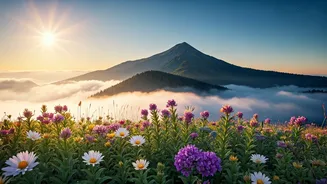
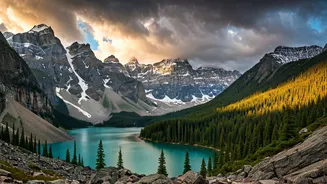
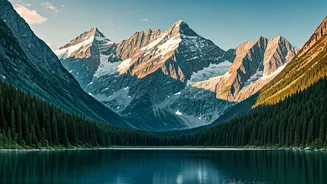
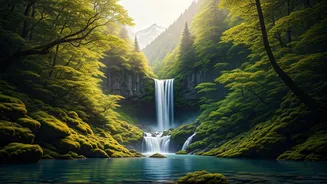
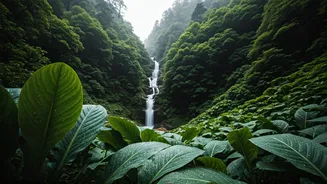
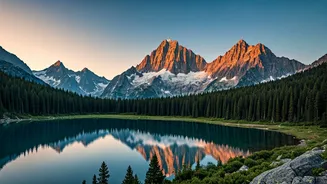
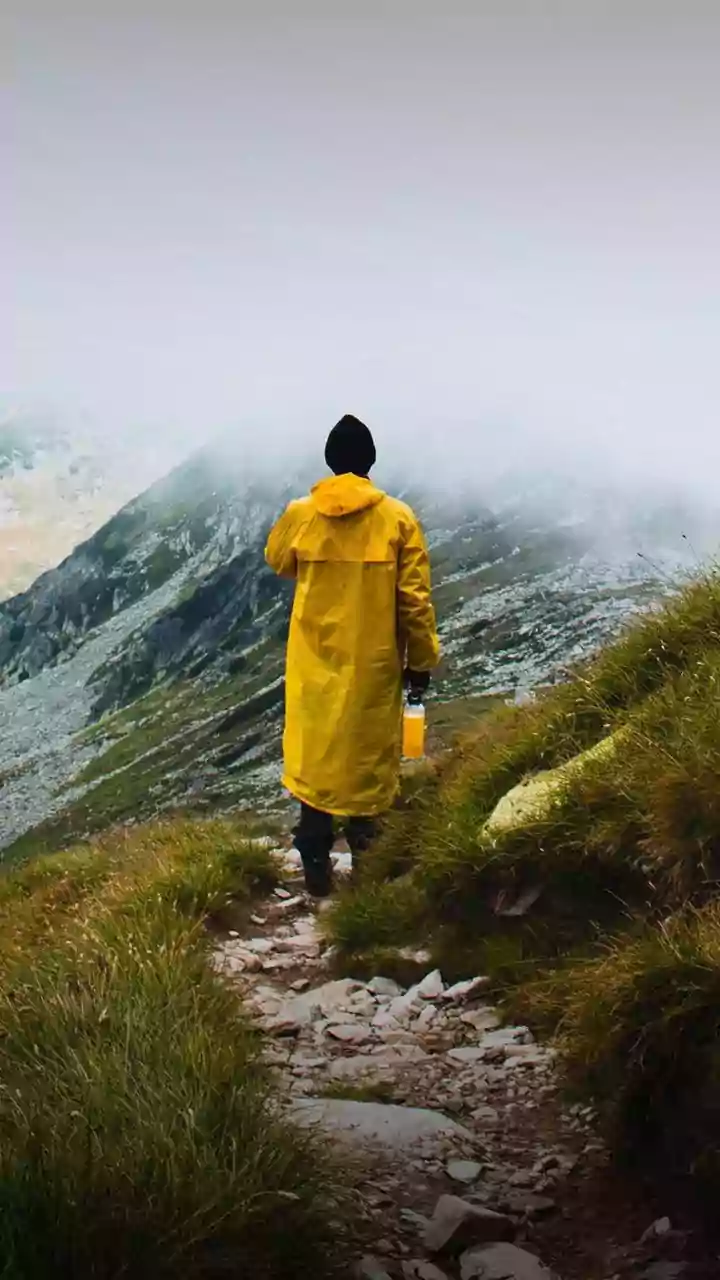
Now, consider the alternative. Imagine waking up not to the sound of crashing waves competing with a hundred other tourists, but to the vast, profound silence of a mountain morning. The air doesn't feel heavy and salty; it’s crisp, clean, and scented with pine and damp earth. This is the mountain flex. It’s about trading the suffocating heat of the plains for cool, refreshing climes. Whether you’re in the majestic Himalayas of Himachal and Uttarakhand or the lush, rolling hills of the Western Ghats, the mountains offer a sensory reset. The flex isn't a picture of your feet in the sand; it’s the quiet satisfaction of reaching a viewpoint after a morning hike, looking out over valleys shrouded in mist, and feeling genuinely small in the face of nature’s grandeur. It’s an experience that fills your lungs and clears your head, rather than just filling your social media feed.
A Reset for Body and Mind
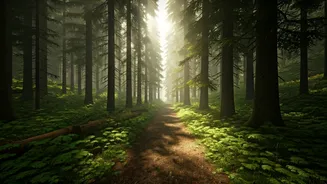
The superiority of mountain air isn’t just poetic; it's backed by a growing understanding of wellness. Urban environments and coastal tourist hotspots often suffer from higher levels of pollution. In contrast, higher altitudes typically offer cleaner air, with fewer pollutants and allergens. This simple change can have a profound effect on our respiratory health and overall energy levels. Beyond the air quality, mountain environments encourage a different kind of activity. Instead of lounging passively, you’re invited to move: to walk, hike, and explore. This gentle, sustained physical activity releases endorphins and reduces stress hormones like cortisol. The Japanese concept of 'Shinrin-yoku' or 'forest bathing'—immersing oneself in a forest atmosphere—is proven to lower blood pressure, improve concentration, and boost the immune system. A mountain trip is not an escape from life; it’s a powerful engagement with it, a chance to reconnect with your own body and mind away from digital distractions.
The New, Quiet Status Symbol
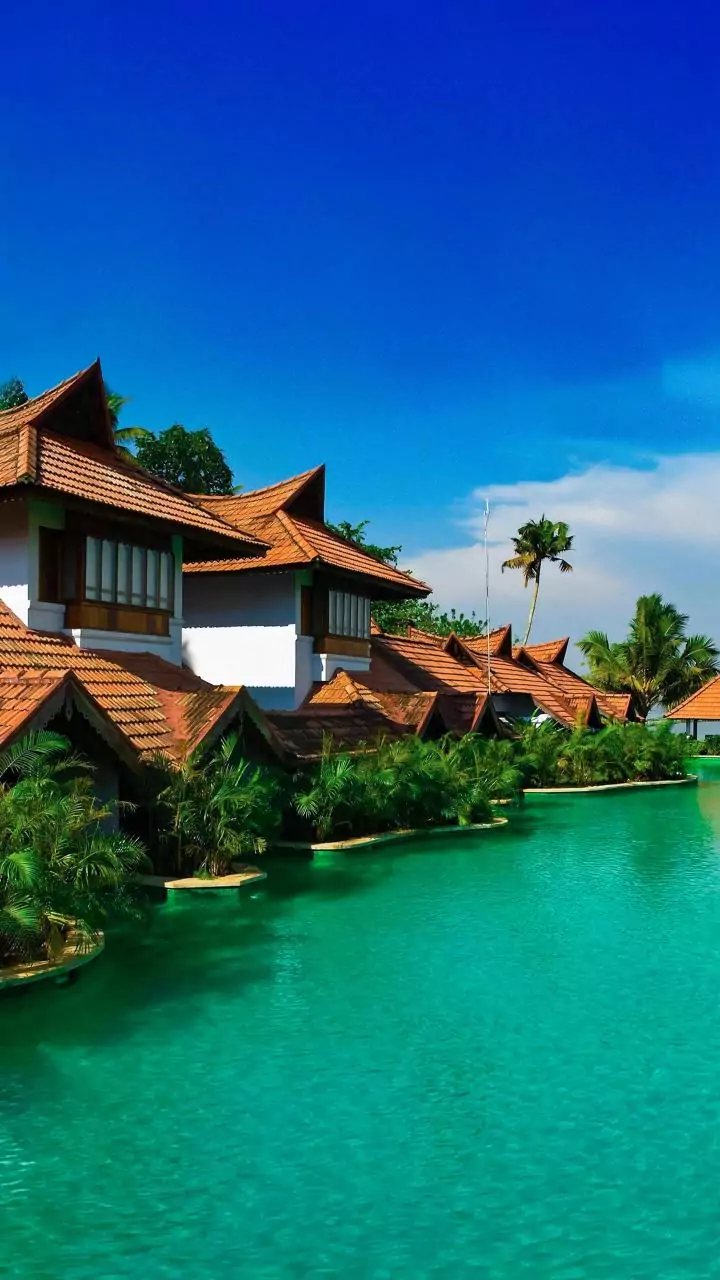
In a world saturated with loud, performative displays of wealth and leisure, the quietest choice often becomes the most powerful. The mountain vacation is a statement of intent. It says you value peace over parties, substance over surface, and personal well-being over social validation. It suggests a certain level of discernment—an understanding that true luxury isn't about branded resorts or crowded hotspots, but about access to solitude, nature, and authenticity. Posting a photo from a remote Himalayan trail or a quiet tea estate in Munnar is a different kind of signal. It’s a 'flex' that communicates a desire for personal growth and genuine experience. It's less about 'look where I am' and more about 'look how I feel'. This shift from external validation to internal satisfaction is the very definition of a modern, sophisticated approach to travel and life.