






Sugar in Its Simplest Form
Let’s start with the basics. The white granulated sugar in your kitchen is sucrose, a simple carbohydrate made of two sugar molecules bonded together: fructose and glucose. It's typically extracted from sugar cane or sugar beets and then refined, a process
that strips away any minerals or other compounds, leaving behind pure, empty calories. It provides quick energy, but no other nutritional value. This is why you often hear it referred to as 'empty calories'.
The Composition of Honey
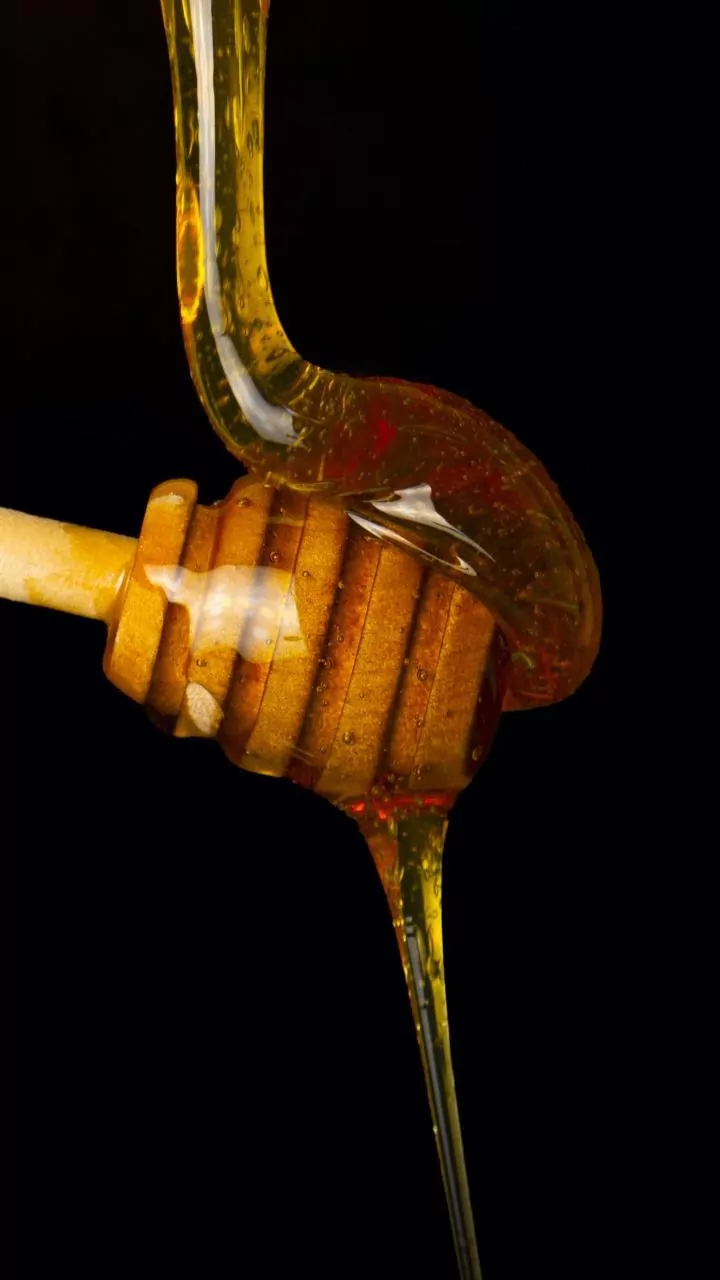
Honey, on the other hand, is a bit more complex. It's also made of fructose and glucose, but they exist as separate molecules. Honey is about 80% sugar, with the remaining 20% being water, plus trace amounts of minerals, vitamins, and other compounds. Crucially, raw and minimally processed honey also contains enzymes and antioxidants like flavonoids, which are plant-derived compounds that refined sugar lacks entirely. However, it is important to note that most supermarket honey is pasteurised, a heating process that can diminish these beneficial compounds.
The Calorie Question
On a teaspoon-for-teaspoon basis, honey actually contains slightly more calories than sugar. A teaspoon of honey has about 21 calories, while a teaspoon of sugar has about 16. This is because honey is denser. However, honey is also sweeter than sugar because of its higher fructose content. This means you may find yourself using less of it to achieve the same level of sweetness, which could result in a small calorie saving if you are mindful of your serving size.
The Glycemic Index Factor
The glycemic index (GI) measures how quickly a food raises blood sugar levels. Foods with a lower GI are generally considered healthier as they provide a slower, more sustained release of energy. Here, honey often has a slight edge. While values vary, honey's GI is typically around 58, whereas table sugar's is about 65. This means honey may cause a less dramatic spike in blood sugar, which is a modest point in its favour. However, the difference is not huge, and both will still raise blood sugar levels.
More Than Just Sweetness?
The most significant advantage of honey, particularly raw honey, is what it contains beyond sugar. It has known antibacterial and anti-inflammatory properties and is a traditional remedy for soothing sore throats. It also contains antioxidants, which help fight cell damage in the body. Refined sugar offers none of these additional benefits. To get any meaningful amount of these micronutrients, however, you would need to consume a large quantity of honey, which would come with a very high sugar load.
Why Portion Control Is Everything
This brings us to the most important part of the comparison: portion control. While raw honey offers minor nutritional advantages, at the end of the day, it is still a 'free sugar'. Health organisations like the World Health Organization recommend limiting free sugars to less than 10% of our total energy intake. This limit includes sugar from all sources—honey, syrups, and table sugar. A large drizzle of 'healthy' honey over your breakfast can easily contribute more sugar to your diet than a small, measured teaspoon of sugar in your tea. The benefits of honey are quickly negated by overconsumption. Whether you choose honey or sugar, the quantity you use matters far more than the type of sweetener you choose.