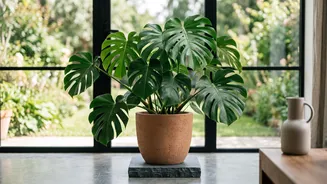


The Air-Purifying Promise
The belief that houseplants are nature's air filters largely stems from a well-known NASA study from 1989. The research aimed to find ways to clean the air in sealed environments like space stations. In the study, researchers placed individual plants in small,
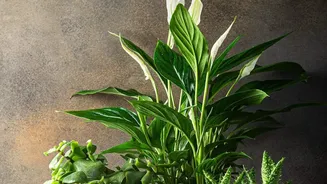
airtight chambers and introduced high concentrations of volatile organic compounds (VOCs) like benzene and formaldehyde. They found that over 24 hours, certain plants removed a significant percentage of these pollutants. The study was scientifically valid for its specific context and helped popularize plants like the Peace Lily and Snake Plant as must-haves for a healthy home.
A Household Reality Check
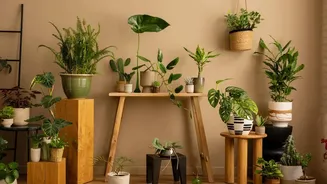
The problem is that our homes are nothing like the sealed chambers used in the NASA experiment. Your living room is much larger and is not airtight; it has constant air exchange from open windows, doors, and ventilation systems. More recent studies have concluded that you would need an enormous number of plants—some estimates say between 10 to 1,000 plants per square metre—to replicate the air-cleaning effects seen in the lab. While plants do absorb some pollutants, their effect in a typical home or office is minimal compared to the impact of simple ventilation. The idea that a few strategically placed pots will scrub your air clean is, unfortunately, more myth than reality.
The Real, Proven Benefits
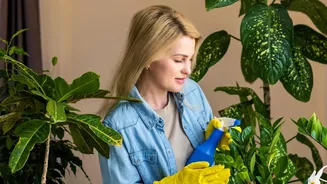
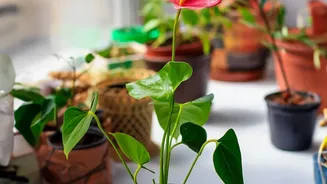
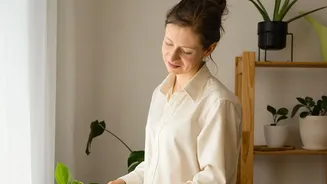
This doesn't mean you should give up on houseplants. In fact, the proven benefits are arguably even better. Numerous studies have shown that having plants indoors has significant psychological advantages. Interacting with plants, even just by watering or repotting them, can reduce stress and lower blood pressure. Their presence has been linked to improved mood, better concentration, and a general sense of well-being and happiness. They bring a touch of nature inside, beautify our spaces, and give us a rewarding, simple hobby. These tangible mental health boosts are the true magic of keeping houseplants.
Easy Care: The Snake Plant
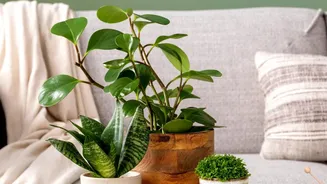
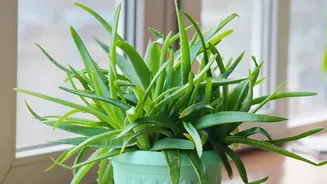
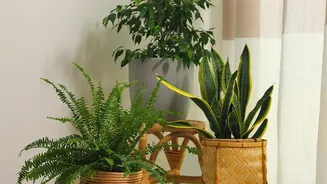
Known as one of the most indestructible houseplants, the Snake Plant (Dracaena trifasciata) is perfect for beginners. It thrives on neglect. Light: It tolerates a wide spectrum of light conditions, from low light to bright, indirect sunlight, making it adaptable to almost any room. Water: This is where most people go wrong. The Snake Plant is a succulent and is highly drought-tolerant. You should allow the soil to dry out completely between waterings, which might mean watering only every two to three weeks, and even less in the winter. Overwatering is the quickest way to harm this plant.
Easy Care: The Pothos
Often called Devil's Ivy, Pothos (Epipremnum aureum) is a fast-growing vine that's incredibly forgiving. Its trailing leaves are perfect for shelves and hanging baskets. Light: Pothos does best in bright, indirect light but can easily survive in low-light conditions, though its growth will be slower. Direct sunlight can scorch its leaves. Water: It’s best to let the top inch or two of soil dry out before watering again, typically once every one to two weeks. Pothos is resilient, but consistent overwatering can lead to root rot. It’s better to underwater than overwater this plant.
Easy Care: The ZZ Plant
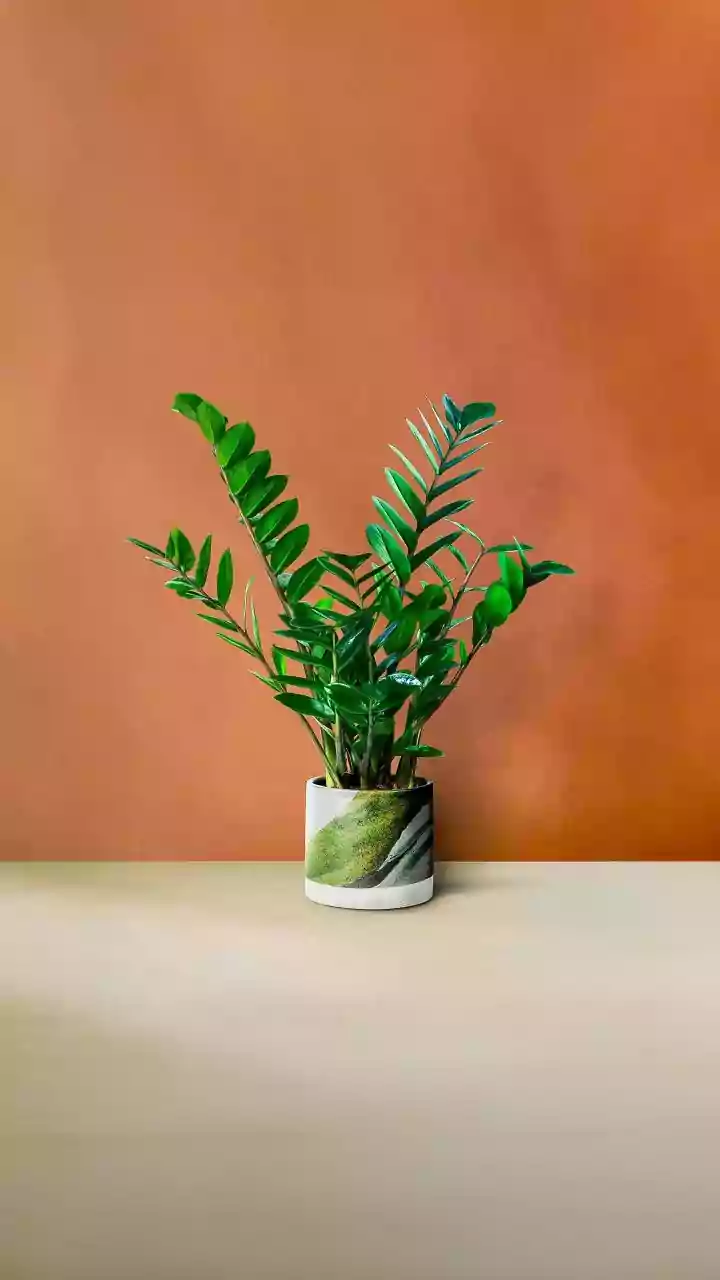
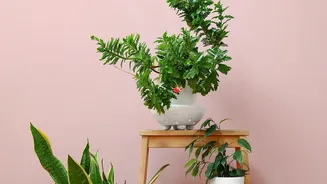
The ZZ Plant (Zamioculcas zamiifolia) is another near-unkillable option known for its glossy, waxy leaves. It has underground rhizomes that store water, making it exceptionally drought-tolerant. Light: The ZZ plant is famous for its ability to thrive in low-light environments, such as offices and dim corners of a home. It also does well in bright, indirect light but should be kept out of harsh, direct sun. Water: Like the Snake Plant, the ZZ Plant thrives on neglect. Water it thoroughly only when the soil has completely dried out, usually every two to three weeks. It’s a perfect plant for frequent travellers or forgetful owners.