





The Unique Challenge of Monsoon Cleaning
Cleaning during the monsoon is a different battle. The constant high humidity creates a perfect breeding ground for mould, mildew, and bacteria on walls, in cupboards, and on fabrics. Less sunlight means damp clothes and surfaces take longer to dry, leading
to persistent musty smells. Furthermore, the damp weather encourages pests to seek shelter indoors. This is where turning to low-chemical, natural alternatives can make a significant impact, not just on cleanliness but also on your home's indoor air quality and your family's well-being. These traditional ingredients, long used in Indian households, are effective, affordable, and kinder to the environment.
Vinegar: The Acidic Powerhouse Against Mould
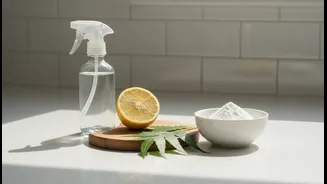
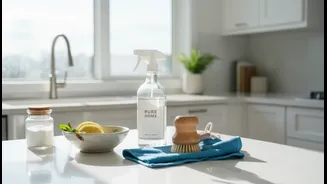
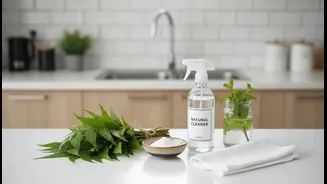
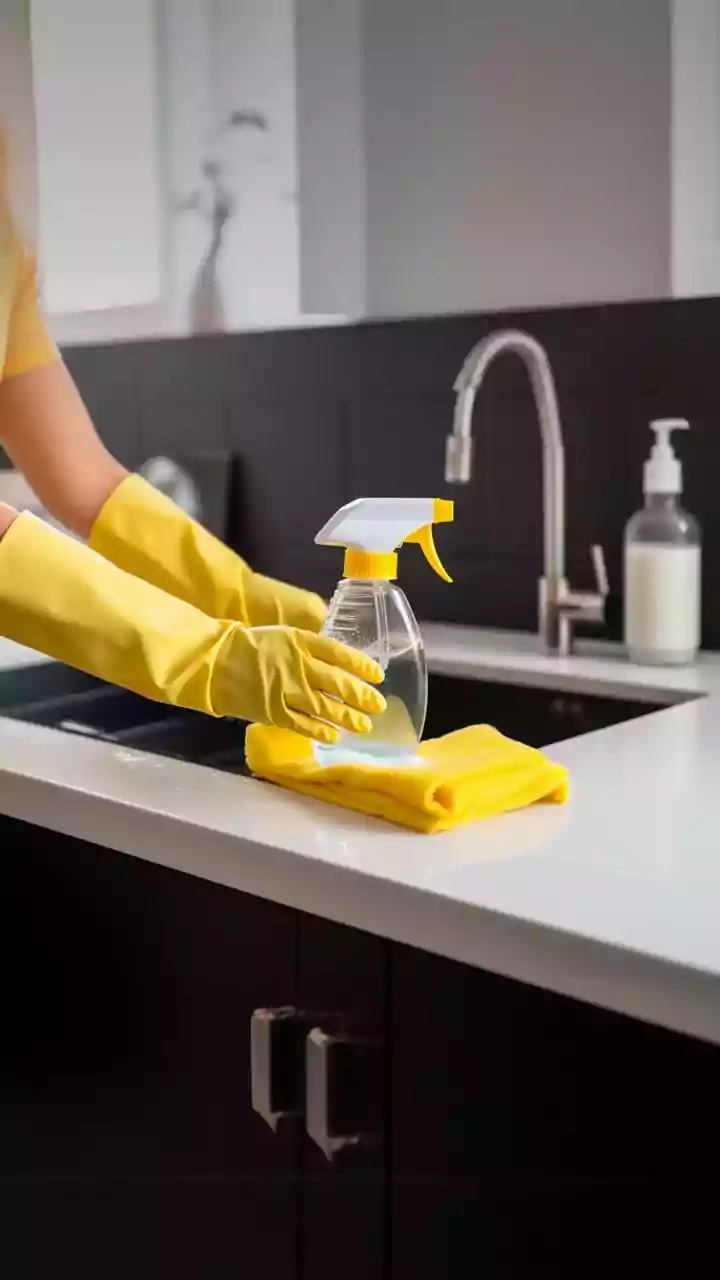
White vinegar is a versatile and potent cleaning agent due to its acetic acid content. This mild acid is effective at disrupting the growth of many common household moulds and bacteria. During the monsoon, you can use a solution of equal parts white vinegar and water in a spray bottle to clean surfaces like tiles, kitchen counters, and window sills where mildew tends to appear. Its acidic nature helps dissolve mineral deposits and cut through grime. However, a word of caution: vinegar's acidity can damage certain surfaces. Avoid using it on natural stone like marble or granite, as it can cause etching. Also, use it sparingly on waxed wood finishes, as it can strip the protective layer.
Neem: Nature's Antibacterial and Pest-Repellent Shield
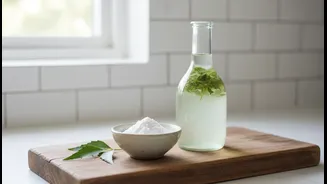
Neem has been a cornerstone of traditional Indian wellness for centuries, and its benefits extend to home cleaning. Neem oil possesses powerful antibacterial and antifungal properties, making it an excellent choice for monsoon hygiene. Adding a few drops of neem oil to your mopping water can help disinfect floors and deter pests like ants and other insects that are more prevalent during the rains. For wooden furniture and cupboards that are susceptible to dampness and pests, wiping them down with a cloth dampened with a diluted neem solution can offer a layer of protection. Its active compounds act as a natural repellent, disrupting the life cycle of many common pests without the use of harsh insecticides.
Baking Soda: The Gentle Deodoriser and Scrubber
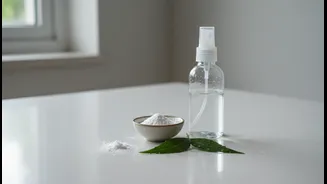
The persistent musty smell is one of the biggest challenges of the monsoon season. Baking soda, or sodium bicarbonate, is a fantastic natural odour neutraliser. It works by absorbing unwanted smells rather than just masking them. Place small, open bowls of baking soda in cupboards, refrigerators, or damp corners to absorb moisture and odours. You can also sprinkle it on carpets and upholstery, let it sit for a few hours, and then vacuum it up for an instant refresh. As a mild abrasive, a paste of baking soda and water can be used to gently scrub sinks, taps, and tiles without scratching the surfaces.
Smart Application and Safety First
While these ingredients are natural, they must be used correctly for the best impact. For instance, a common DIY tip involves mixing vinegar and baking soda. While the fizzing reaction is satisfying, it essentially neutralises both ingredients, leaving you with salt water that has minimal cleaning power. It's more effective to use them separately—for example, by scrubbing with a baking soda paste first and then spraying with vinegar. For severe mould issues covering an area larger than 10 square feet, it is always recommended to consult a professional cleaner, as it could indicate a larger moisture problem. Also, never mix vinegar with bleach, as this can create toxic chlorine gas.