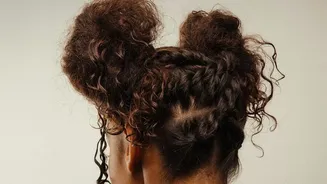









The perfect updo—elegant, polished, and secure—can elevate any look. Yet, nothing is more frustrating than watching it sag and slip after just an hour. The secret to a long-lasting style isn't more hairspray; it's all in the preparation.
The Universal Foundation for Any Updo
The number one
reason updos fail is styling freshly washed, silky hair. While it seems counterintuitive, stylists agree that second-day hair provides the natural oils and texture needed for pins to grip. If you must wash your hair, do it the night before. Before you begin styling, the goal is to create a workable canvas. Products that add grit and texture are your best friends. A light mist of dry shampoo or a texturizing spray at the roots provides friction for pins and braids to hold onto. Professionals often layer products, starting with a volumizing mousse or spray, blow-drying it in, and then adding a texturizing product. This creates an invisible scaffold that gives your style structure without making it stiff.
Prep for Fine or Thin Hair
For those with fine hair, the main challenge is creating volume and hold without weighing strands down. Start by applying a volumizing mousse or root-lifting spray to damp hair, then blow-dry your hair upside down to maximize lift at the crown. Lightly teasing the roots and mid-sections where you plan to pin will create a cushion and give bobby pins something to anchor into. Avoid heavy serums or oily products, which can cause fine hair to collapse. Instead, a texturizing spray is essential to give slippery strands the necessary grip. Creating soft curls or waves with a curling wand before you start can also provide added texture and the illusion of fullness.
Prep for Thick or Heavy Hair
Thick hair offers natural volume, but its weight can be a challenge, causing styles to drop. The key is control and a strong foundation. Washing your hair a full 24 hours in advance can ensure it is completely dry, as even a small amount of moisture can affect the style's longevity. When styling, work in manageable sections. Consider using stronger hold products like a smoothing cream to manage bulk and prevent frizz. For updos like buns or chignons, using stronger hair ties and a generous number of bobby pins is crucial to support the weight. Some stylists suggest crisscrossing bobby pins to create a secure locking mechanism that won't budge.
Prep for Curly and Coiled Hair
With curly hair, the goal is to enhance your natural texture while controlling frizz. Some stylists recommend starting with clean, conditioned hair to define curls, while others find day-old curls have better hold. The consensus is to work with your hair's natural pattern. Apply a curl cream or a stronghold gel to damp hair to define coils and reduce flyaways. If blow drying, always use a diffuser to maintain your curl shape and prevent frizz. For updos, avoid pulling the hair too tightly, which can cause tension and disrupt your curl pattern. Instead, gather curls loosely and use pins to gently secure them, letting the natural volume and texture become the centerpiece of the style.
Prep for Straight or Silky Hair
Straight, silky hair is notoriously slippery, making it difficult for pins and styles to stay put. The prep work here is all about manufacturing texture. As with fine hair, second day hair is far easier to work with. Generously apply a dry texturizing spray or dry shampoo from roots to ends to create a gritty, matte foundation. Creating a base of waves or curls with a hot tool before pinning your hair up can make a significant difference, as the bends in the hair will help interlock the strands and hold the style. Another professional trick is to lightly mist bobby pins with hairspray before inserting them for an extra secure grip.