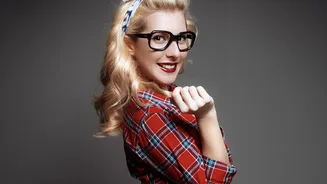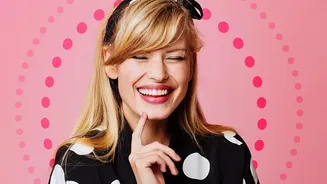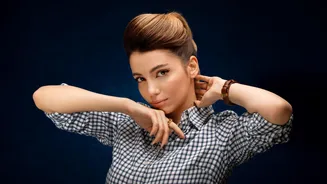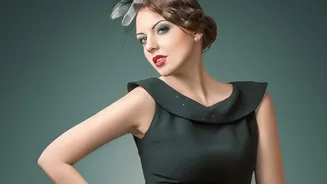

For Short Hair: The Flapper Bob
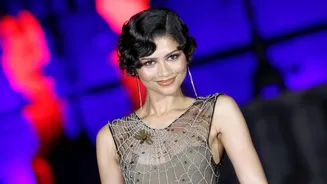
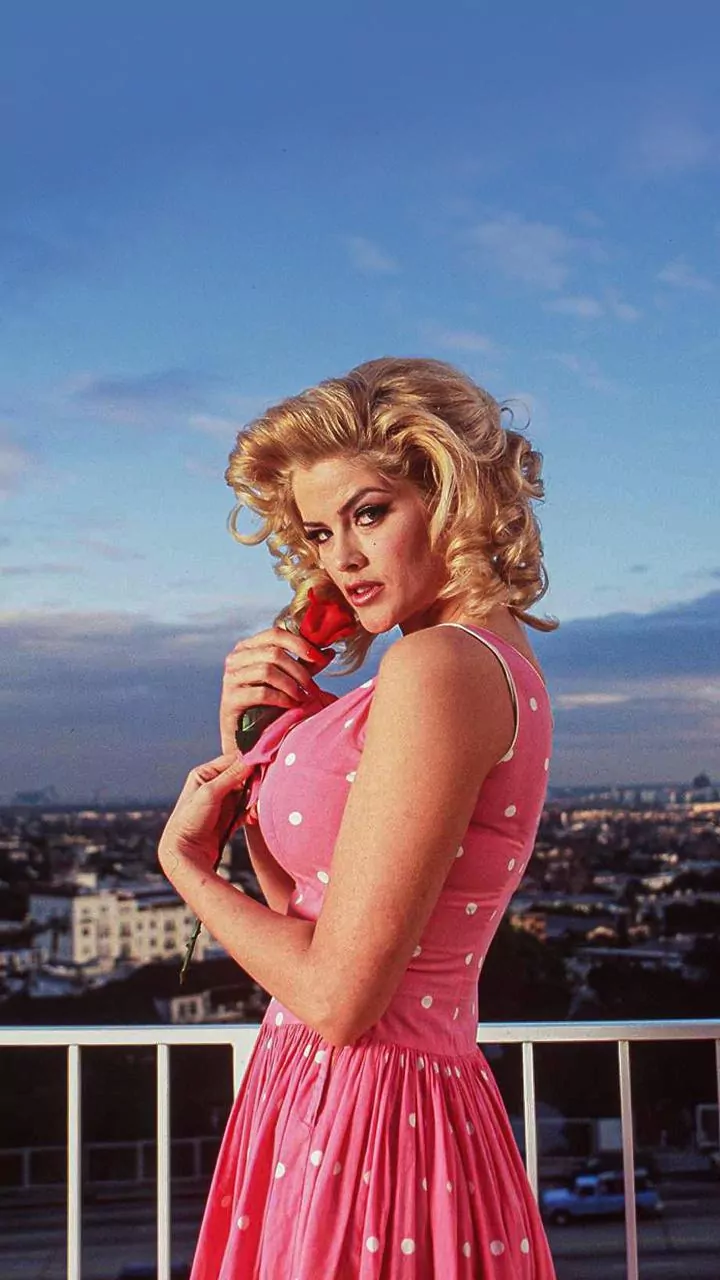
The iconic look of the 1920s, the flapper bob, is perfect for those with shorter hair. While many women of the era famously chopped their locks, you can achieve a similar effect on a modern chin-length bob or even a pixie cut. The key is creating soft,
sculpted waves close to the head. For a simple approach, create a deep side part on damp hair. Apply a setting lotion or mousse and use clips to form S-shaped waves around your face, a technique known as finger waving. You can let it air dry or use a diffuser on low. For those with a bit more length, creating a few pin curls around the face can also evoke the flapper spirit. Once styled, a decorative headband or a jeweled clip will complete this glamorous and rebellious look.
For Short Hair: The '60s Pixie
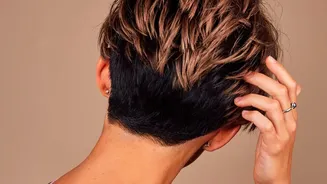
Popularized by supermodels and movie stars in the 1960s, the pixie cut was a symbol of modern, liberated femininity. Unlike the soft waves of the '20s, this style was often sharp and geometric, but it could also be styled with a softer, more tousled feel. To give your modern pixie a vintage twist, focus on the details. A deep side part with a long, side-swept fringe is a hallmark of the '60s look. Use a bit of pomade or wax to create texture and piecey-ness, or a round brush while blow-drying to give it a smooth, rounded shape with a slight bend. This style is all about clean lines and showcasing your features, making it a bold yet simple retro statement.
For Medium Hair: Victory Rolls
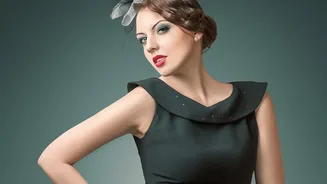
Perhaps one of the most recognized hairstyles of the 1940s, Victory Rolls are surprisingly achievable with medium-length hair. These statement rolls, named after a fighter jet maneuver, add instant vintage glamour. The style works best on hair that isn't freshly washed, as it will have more grip. To start, section off the hair on either side of your part, from your hairline to just behind your ears. Lightly backcomb the section for volume, then smooth the top layer. Hold the section up and wrap the ends around two fingers, rolling inwards toward your scalp to form a neat tube shape. Pin the roll securely from the inside. You can make one large roll on one side or two smaller ones for a classic look. The rest of your hair can be left down in soft curls or pinned into a simple bun.
For Medium Hair: The Flipped Bob
A staple of the late 1950s and 1960s, the flipped bob is a playful and polished style perfect for shoulder-length hair. This look is defined by its volume at the crown and the signature outward flick at the ends. Achieving this style is all about the blow-dry. After washing, apply a volumizing mousse. Using a medium-to-large round brush, dry your hair section by section, lifting at the roots for volume. When you reach the ends, roll the brush outward and upward to create that characteristic flip. A touch of hairspray will help hold the shape. This style is incredibly versatile and can be worn with a side part for a classic '60s feel or a center part for a slightly more '70s vibe.
For Long Hair: The Simplified Beehive
The beehive is a towering icon of 1960s glamour, but you don't need a can of hairspray and a lot of patience to get a similar effect. A modern, simplified beehive focuses on creating volume at the crown for a half-up style. Start by sectioning off the top part of your hair at the crown. Tease the underneath layers of this section to build a cushion of volume. You can also use a hair pad or a small bun maker underneath for extra height without as much backcombing. Once you have the desired height, smooth the top layer of hair over your teased section or pad. Gather the sides and pin them at the back, just under the bump. Let the rest of your long hair flow freely, either straight or with soft curls at the ends.
For Long Hair: 70s Feathered Layers
Made famous by actresses like Farrah Fawcett, the feathered hairstyle of the 1970s is all about movement, volume, and layers swept away from the face. While the original look often required a specific layered haircut, you can mimic the style at home, especially if you have long hair. The key is in the styling. Using a curling iron or a round brush with a blow dryer, curl sections of your hair away from your face. The focus should be on the layers that frame your face, creating that signature feathered or 'flicked back' look. A center part is classic for this style. After styling, flip your head upside down and shake out the curls for a softer, more voluminous finish, then use a light hairspray to set the look.