



From Lifespan to Healthspan
The conversation in Indian wellness circles is no longer just about adding years to life, but adding healthy, vibrant years to it—a concept known as 'healthspan'. This shift is driven by a growing awareness that while Indians are living longer, they are not
necessarily living healthier. Projections show life expectancy in India rising, but the number of years spent in good health isn't keeping pace. As a result, concepts like preventive health and 'slow ageing' are gaining traction. Influencers and entrepreneurs like Ankur Warikoo and Ranveer Allahbadia (BeerBiceps) are at the forefront, translating complex ideas from global longevity gurus like Peter Attia and Bryan Johnson for an Indian audience. They're moving the goalposts from looking good to feeling good, for as long as possible.
The New Tools of Longevity
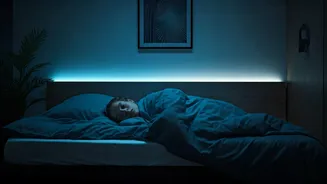
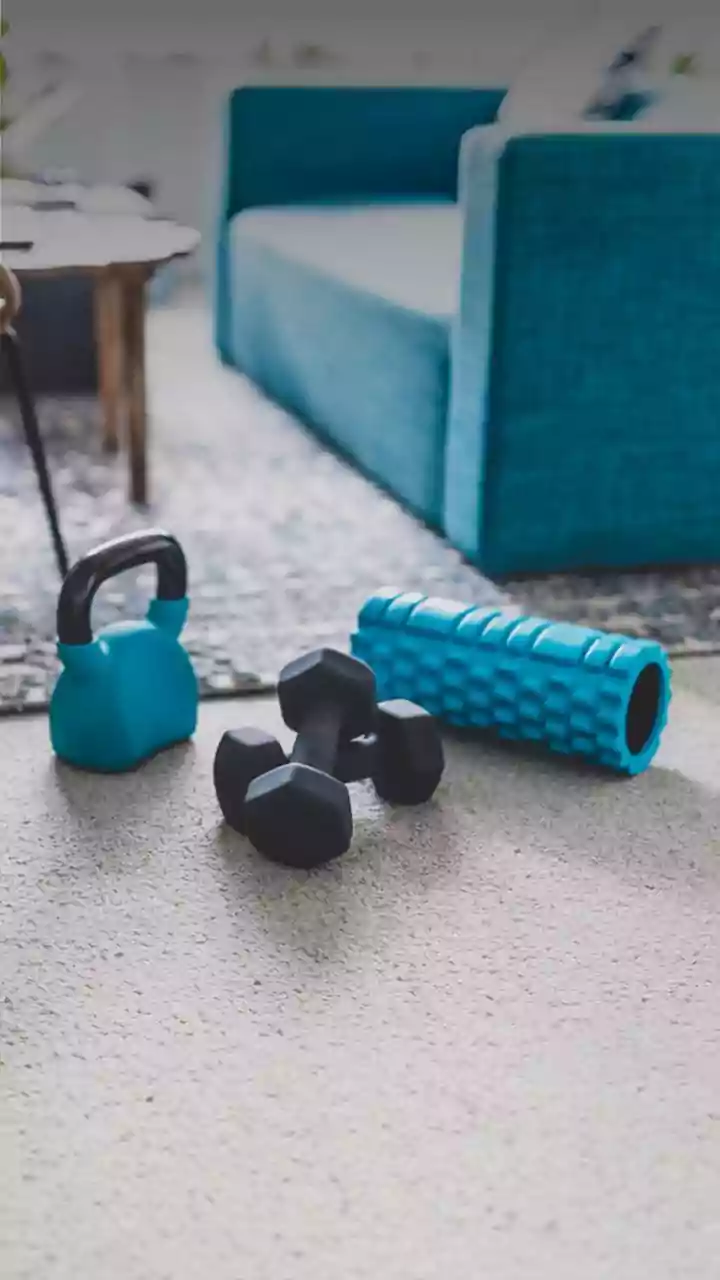
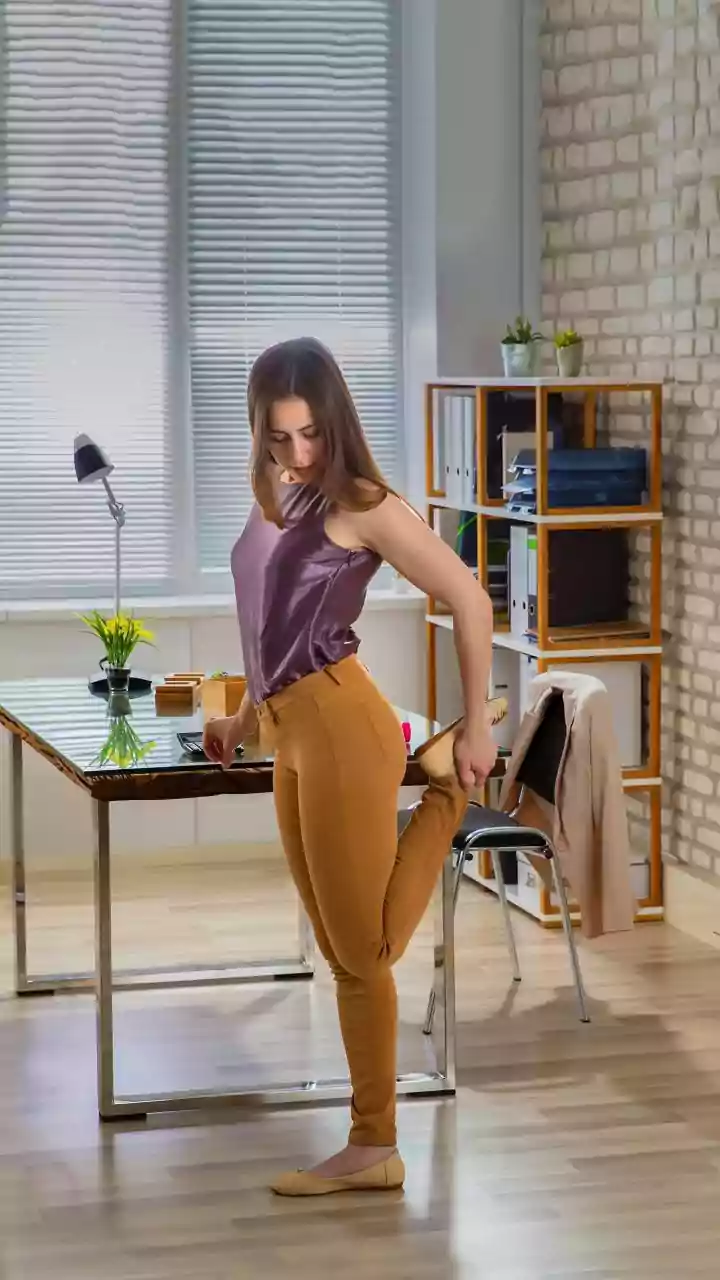
The longevity toolkit is diverse and expanding. On one end, you have foundational habits: prioritising sleep, managing stress, and focusing on specific exercise protocols like Zone 2 cardio for endurance and strength training for muscle mass. On the other, more tech-driven end is 'biohacking'. This involves using wearables to track metrics like sleep quality and heart rate variability, and sometimes using continuous glucose monitors to understand how food affects blood sugar. The discussions also delve into supplements like NAD+ precursors, which are molecules believed to support cellular energy, and practices like intermittent fasting and cold plunges. While global figures like Bryan Johnson popularize extreme protocols, Indian influencers tend to focus on more accessible starting points, making the trend feel achievable for a wider audience.
Why Now? The Indian Context
Several factors are fuelling this explosion. Firstly, India is facing a silent epidemic of lifestyle diseases like diabetes and heart conditions, which are appearing at younger ages. This has created a sense of urgency around preventive health. Secondly, a growing urban middle and upper class has the disposable income and the aspiration to invest in wellness. For this group, optimizing health is becoming the new status symbol. This shift is also a reaction against a healthcare system primarily designed to treat sickness rather than prevent it. People are looking to take control of their own health trajectories long before a doctor's diagnosis forces them to.
The Key Voices and Their Messages
Ankur Warikoo, who has documented his own fitness journey and that of his parents, often speaks about the power of simple, consistent habits in transforming health at any age. His message resonates because it is rooted in personal experience and practical advice. Ranveer Allahbadia's podcast, 'The Ranveer Show', frequently hosts international experts on biohacking and longevity, breaking down complex scientific concepts for his millions of followers. These influencers act as curators, filtering a flood of global information and framing it for Indian lifestyles, concerns, and even dietary habits.
Skepticism and Critical Questions
However, the trend is not without its critics. Figures like Dr. Cyriac Abby Philips, known as 'The Liver Doc', frequently challenge the scientific basis of many biohacking fads and supplements, warning against pseudoscience and the potential for harm. Critics argue that the longevity movement can be elitist, promoting expensive gadgets and supplements that are out of reach for the average person. There's a valid concern that the focus on individual 'hacks' can distract from proven, accessible public health basics like balanced nutrition and regular movement. The line between evidence-based advice and marketing hype can often be blurry, putting the onus on the consumer to be discerning.