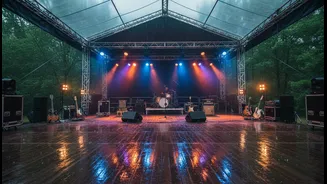








A Cultural Ode to the Monsoon
Each year, as the skies open up over Madhya Pradesh, the city of Bhopal tunes into the ragas of the rainy season. The Badal Raag Samaroha, organized by the Department of Culture in collaboration with Bharat Bhavan, is a cornerstone of the city's cultural
calendar. This multi-day festival is an immersive celebration of 'Pavas' (the monsoon), bringing together some of the country's most renowned artists. The event features a rich tapestry of performances, from Hindustani classical vocals and instrumental jugalbandis to traditional dance forms like Kathak and Odissi. Its entire premise is to capture the diverse moods of the monsoon through art, making it a unique and cherished event for enthusiasts. The festival's soul lies in this very connection, celebrating the life-giving and poetic nature of the Indian monsoon.
The Challenge of Unpredictable Rains
The central irony of Badal Raag Samaroha is that its celebrated muse—the rain—is also its primary antagonist. Hosting a major cultural event during the peak of the monsoon is fraught with difficulties. While the festival is intrinsically linked to the season, a sudden downpour can wreak havoc on performances. This is especially true for open-air or semi-covered venues, where expensive classical instruments are at risk of damage from humidity and water. An unexpected deluge can also lead to fluctuating audience numbers, as attendees may be deterred by the weather. The very element the festival glorifies requires organizers to be in a constant state of alert, ready for last-minute changes and interruptions that can disrupt the flow and atmosphere of a meticulously planned artistic evening.
The Venue and Logistical Puzzle
The premier venue for the festival is Bharat Bhavan, a multi-arts complex in Bhopal that provides a fittingly creative ambiance. However, the logistics of managing an event during the monsoon extend beyond just the stage. Should heavy rains necessitate a change from an intended outdoor setting to an indoor auditorium, it poses a significant challenge. The acoustics, seating capacity, and stage setup are all different, affecting both the artists' performance and the audience's experience. Furthermore, access to the venue itself can become complicated during a heavy downpour in the city, with potential waterlogging and traffic disruptions. This necessitates a dual-planning approach where organizers must have a robust Plan B that can be activated seamlessly, covering everything from sound engineering for different spaces to effective and rapid communication with artists and the public about venue shifts.
Preserving the Artistic Experience
For the artists, the unpredictability can be a source of considerable stress. A classical music or dance performance requires immense focus and a stable, conducive environment. The possibility of rain interrupting a recital or technical glitches arising from a last-minute venue change can compromise the quality of the performance. For the audience, the experience is similarly affected. The magic of listening to a monsoon raga like 'Miyan Malhar' or 'Megh' while a gentle rain falls can be profound. However, a torrential downpour is far from poetic. It can lead to discomfort, safety concerns, and a fractured experience that undermines the very purpose of the event. The challenge for organizers is not just to be logistically prepared, but to create a resilient framework that protects the sanctity of the artistic experience from the caprices of the weather.
The Need for Adaptive Frameworks
Successfully navigating the caveats of the Badal Raag Samaroha hinges on one key principle: flexible and adaptive planning. This means moving beyond simple contingency plans to building a resilient event model. This could involve investing in sophisticated, aesthetically pleasing all-weather coverings for outdoor venues, creating modular stage designs that can be adapted quickly, and leveraging technology for instant communication with attendees. Establishing a pre-defined protocol for weather-related changes can help manage expectations and minimize confusion. By embracing these challenges as part of the festival's unique identity, Bhopal can continue to host this beautiful ode to the monsoon, ensuring that the celebration of rain is never washed away by it. This foresight ensures the event not only survives but thrives, securing its place as a jewel in India's cultural crown.