





The Cardio Question: Intensity and Heart Health
Both walking and skipping are fantastic for your cardiovascular system. Walking is a low- to moderate-intensity exercise that gently elevates your heart rate, improving circulation and reducing the risk of high blood pressure and cholesterol over time.
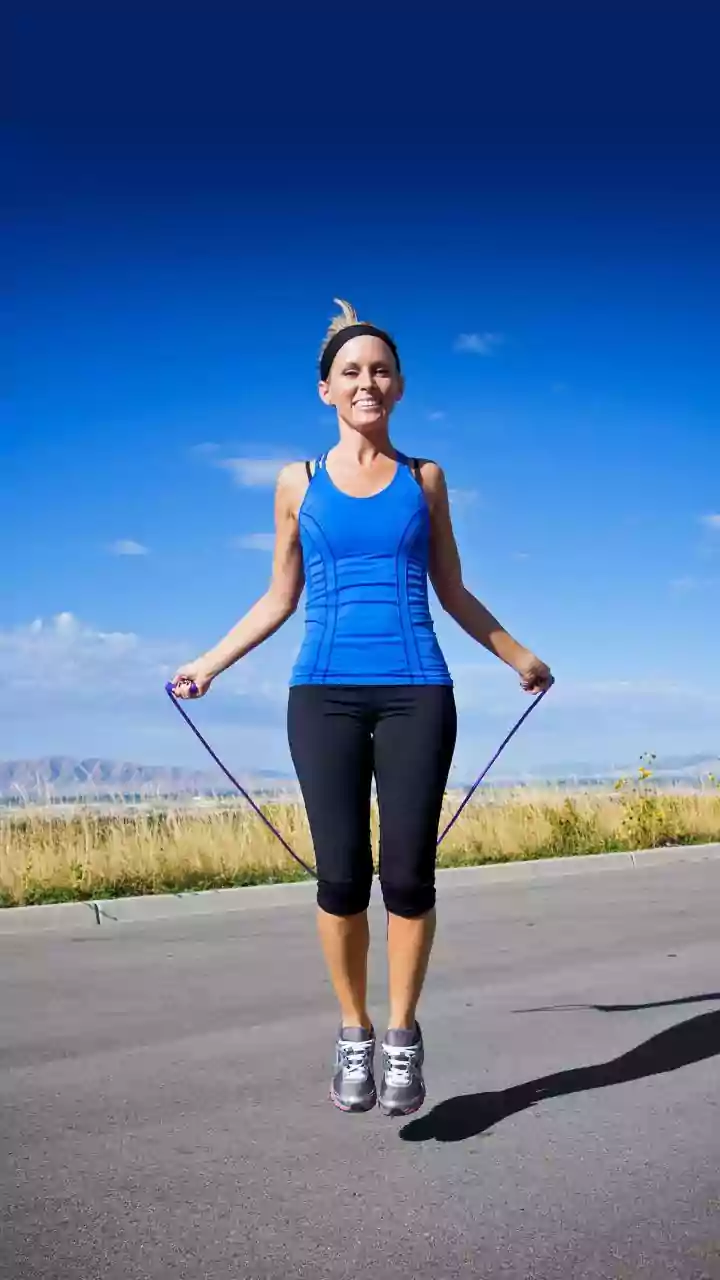
It is an accessible way to meet daily activity recommendations and is often advised by health organizations for long-term heart health. Skipping, on the other hand, is a high-intensity workout. It causes a rapid increase in your heart rate, pushing it into a higher training zone much faster than walking. This vigorous activity strengthens your heart muscle efficiently and can significantly boost your overall cardiovascular fitness and endurance in shorter sessions. Minute for minute, skipping provides a more intense cardiovascular stimulus.
Calorie Burn: The Efficiency Showdown
If your primary goal is to burn calories in the shortest amount of time, skipping has a clear advantage. Due to its high intensity and full-body engagement, jumping rope burns significantly more calories per minute than walking. Some estimates suggest that a 10-minute session of skipping can burn as many calories as a 30-minute brisk walk. For instance, a 70kg person might burn 10-14 calories per minute while skipping, compared to 5-6 calories per minute during a brisk walk. While walking for a longer duration can eventually match this calorie burn, skipping is the more time-efficient option for those with a tight schedule.
Impact on Your Joints
This is a critical difference between the two activities. Walking is a low-impact exercise, meaning one foot is always on the ground, which puts minimal stress on your joints. This makes it an excellent choice for beginners, individuals carrying extra weight, or those with joint issues like arthritis. Regular walking helps lubricate joints and strengthen surrounding muscles, which can actually reduce stiffness and pain. Skipping is considered a higher-impact activity, though the impact is less than running if done with proper technique—landing lightly on the balls of your feet. Each jump places stress on the ankles, knees, and hips. While this impact can help improve bone density, it can be problematic for individuals with pre-existing joint pain or those new to high-impact exercise. Using a mat can help reduce the strain.
Accessibility, Skill, and Equipment
In terms of accessibility, walking is the undisputed winner. It requires no special equipment beyond a comfortable pair of shoes, no specific skill, and can be done almost anywhere. You can easily incorporate it into your daily life by walking to work, taking the stairs, or going for a stroll in your neighborhood. Skipping requires a jump rope, which is inexpensive and portable, but it also demands a certain level of coordination, rhythm, and practice. Beginners may struggle to skip continuously for more than a minute at a time. You also need adequate space with enough overhead clearance to swing the rope.
Muscle Engagement and Full-Body Fitness
While walking primarily works the muscles in your lower body and core, skipping provides a more comprehensive, full-body workout. It engages your legs for jumping, your core for stability, and your shoulders and arms for turning the rope. This makes it a powerful tool for improving muscle tone and coordination across your entire body. Walking can be enhanced by moving on an incline or adding arm pumps, but it doesn't naturally engage the upper body to the same degree as skipping.