







The New 30-Day Rule Explained
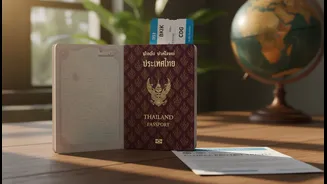
In a significant policy update, the Thai government has revised its visa exemption scheme. The biggest change for Indian tourists is the duration of stay. While the popular visa-free entry remains in place, the maximum permitted stay has been reduced
from 60 days to 30 days. This decision came after a period of uncertainty where initial proposals suggested scrapping the visa-free arrangement for India entirely. For the vast majority of Indian holidaymakers, this change will have little impact. The average stay for Indian tourists in Thailand is around seven days, well within the new 30-day limit. The new rules will officially take effect 15 days after being published in the Royal Gazette.
Why Did Thailand Change Its Policy?
The Thai government's decision is part of a broader overhaul of its immigration framework aimed at balancing tourism promotion with national security. The previous, more generous 60-day visa-free stay, which applied to 93 countries, was reportedly being misused. Authorities noted an increase in foreign nationals using the tourist exemption for activities beyond tourism, such as illegal work or using back-to-back visa runs to live in the country long-term. By standardising the visa-free period to 30 days for a revised list of 59 countries, including India and all 27 EU member states, the government aims to close security loopholes and streamline privileges under a clearer "one country, one entitlement" policy.
An Upgrade from Visa on Arrival
The new policy is actually an upgrade for Indian travellers compared to the old system before the 60-day scheme was introduced. Previously, Indians were eligible for a Visa on Arrival (VoA), which often involved queues and a fee. The new 30-day visa-free entry replaces the VoA, making the arrival process smoother and more convenient. This move acknowledges India's status as a top tourism market for Thailand. A temporary drop in Indian tourist numbers was reported when the initial proposal to end visa-free entry caused confusion, prompting the government to find a middle ground that kept travel easy while addressing their security concerns.
Planning a Longer Stay? You Have Options
For those who dream of a Thai vacation lasting more than 30 days, options are still available. The key is simply to plan ahead. Instead of relying on the visa-free scheme, travellers planning longer itineraries can apply for a 60-day tourist visa from a Royal Thai Embassy before their departure. This pre-arranged visa provides a longer initial stay. For digital nomads or those seeking even more extended periods in the country, Thailand has also introduced other long-term visa categories, though these come with more specific requirements. The main takeaway is that longer stays are not off the table; they just require a different application process than a short holiday.
So, Is It Still Business as Usual?
For the typical Indian tourist planning a week-long getaway to Bangkok, Phuket, or Krabi, absolutely nothing has changed. The process remains simple: book your ticket, pack your bags, and get a 30-day stamp upon arrival. The change primarily affects a small minority of travellers, such as long-stay tourists or those who used the 60-day rule for extended work-from-anywhere stints. By retaining visa-free access, Thailand ensures it remains a competitive and highly attractive destination for one of its largest and most important tourism markets.