








The Great Daytime Deception
We are conditioned to think of heat risk in terms of the daytime high. A 44°C day feels like the peak of danger, a clear signal to stay indoors and hydrate. While not wrong, this focus on maximum temperature tells only half the story. It captures the intensity
of the heat, but it misses a more insidious threat: its persistence. Cities, with their sprawling landscapes of concrete, asphalt, and brick, are fundamentally different from rural areas. These materials are exceptional at absorbing and storing solar radiation throughout the day. This creates what is known as the urban heat island effect, where cities are significantly warmer than their surrounding natural landscapes. But the real divergence happens after sunset.
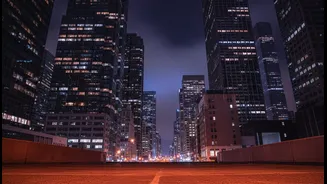
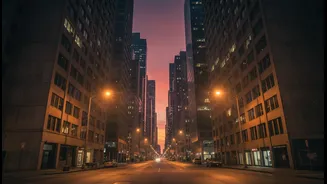
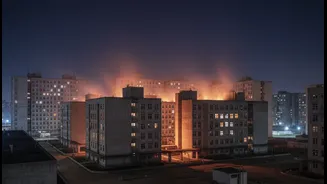
How Cities Become Nighttime Ovens
As the sun disappears, a rural area with ample soil and vegetation begins to cool rapidly. Plants release moisture through evapotranspiration, a natural air conditioning process, and the ground quickly sheds its warmth. In a concrete city, the opposite occurs. Buildings, roads, and pavements, having soaked up heat for hours, begin to slowly radiate it back into the air. This process can make nighttime urban temperatures dramatically higher than in nearby rural areas. This trapped, slowly released energy means the city doesn't cool down. The air remains heavy and warm, transforming dense neighbourhoods into sprawling, low-grade ovens that offer no respite.
Midnight Data Reveals the True Stress
This is why climate scientists and public health experts are increasingly focused on nighttime data, specifically the minimum temperature (Tmin) that is often reached just before dawn. This number is a powerful indicator of how much residual heat the urban environment is holding. A high minimum temperature means the city failed to cool off overnight. This lingering heat is a critical factor in human health. Research shows that mortality risks during a heatwave are strongly correlated with high nighttime temperatures, sometimes even more so than with the daytime peak. Essentially, the midnight data doesn't just measure temperature; it measures the lack of recovery time for both the city and its inhabitants.
The Body's Desperate Need for a Break
Our bodies are built to handle daytime heat, but they rely on cooler nighttime temperatures to recover. During the night, our core temperature is supposed to drop, allowing our cardiovascular system to rest and our body to repair cellular stress from the day. When nights remain excessively warm, the body never gets this chance to cool down. The heart continues to work hard, pumping blood to the skin to try and shed heat. This cumulative strain is particularly dangerous, leading to a higher risk of heat exhaustion, heatstroke, and severe stress on chronic conditions like heart disease, respiratory illnesses, and diabetes. The elderly, young children, and people with pre-existing conditions are the most vulnerable to this relentless, compounding heat stress.
Creating Smarter, Safer Cities
By focusing on this nocturnal data, scientists can create far more accurate and granular heat risk maps. They can pinpoint specific neighbourhoods—often those with less green space, more dense construction, and lower-income populations—that are the most dangerous heat traps. This information is vital for public health. It allows city officials to issue more effective warnings, establish targeted cooling centres, and implement long-term urban planning strategies. These strategies can include planting more trees, installing cool roofs that reflect sunlight, and creating more green spaces that can help break up the urban heat island. Understanding the dangers of a hot night is the first step toward building more resilient and equitable cities that can better protect their residents from the growing threat of extreme heat.