







The Sugar Problem in a Glass
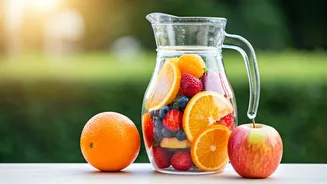
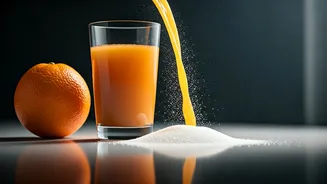
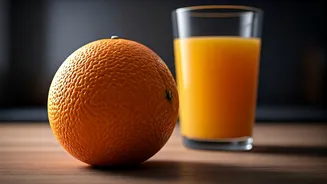
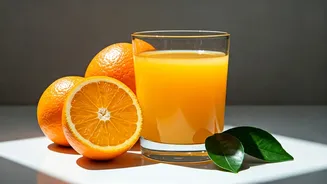
The main reason for the shift in thinking is sugar. When you squeeze an orange, you get its juice, but you also concentrate its natural sugars. It takes several oranges to make one small glass of juice, meaning you consume the sugar of all those fruits
in a few quick gulps, without the bulk that would normally fill you up. This sugar, primarily fructose, is what nutritionists call a 'free sugar' when separated from the fruit's fibre. Unlike the sugar in a whole apple, which is released slowly as you digest the fruit’s structure, the sugar in juice hits your system all at once, much like a sugary soda.
Where Did All the Fibre Go?
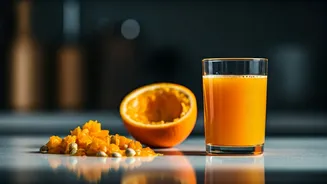
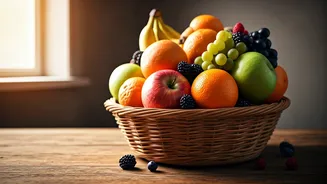
This is the other half of the equation. The juicing process strips out nearly all of the dietary fibre, the unsung hero of whole fruits. Fibre is crucial for several reasons. It slows down the absorption of sugar into your bloodstream, preventing the sharp spikes and subsequent crashes in blood sugar and insulin levels. This is why eating three whole oranges is vastly different from drinking their juice. Fibre also promotes feelings of fullness, helping with appetite control. Furthermore, it's essential for a healthy digestive system, feeding the good bacteria in your gut. By removing it, juice becomes a less satisfying, less beneficial version of its original source.
But It’s Packed with Vitamins, Right?
Yes, fruit juice does contain vitamins, most notably Vitamin C. This is often the main selling point. However, the nutritional consensus is moving towards a 'package deal' perspective. While you get the vitamins, they come in a package loaded with liquid sugar and stripped of fibre. Many experts argue that the metabolic cost of processing that much free sugar outweighs the benefit of the vitamins, which can easily be obtained from a single piece of whole fruit or a variety of vegetables without the accompanying sugar rush. Some store-bought juices are also made from concentrate and have been heat-pasteurised, which can degrade some of the delicate nutrients.
So, Is It as Bad as a Can of Cola?
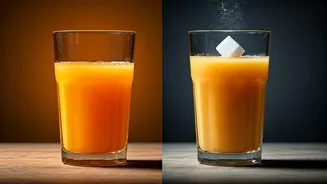
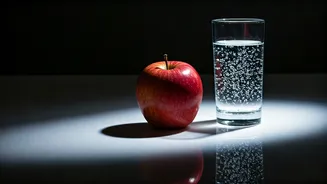
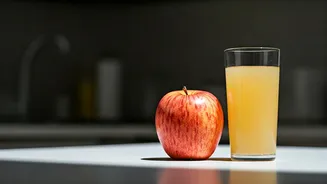
This is a common and fair question. Ounce for ounce, many 100% fruit juices contain as much sugar as, and sometimes more than, fizzy drinks. A 250ml glass of apple juice can have around 25 grams of sugar, comparable to a similar serving of cola. The key difference is that juice offers some vitamins and antioxidants that soda lacks. However, from your liver’s perspective, processing a large, rapid dose of fructose is a similar metabolic challenge regardless of the source. For this reason, many health bodies now group fruit juices with other sugar-sweetened beverages, recommending that their consumption be strictly limited, especially for children.
What About Cold-Pressed or Fresh Juice?
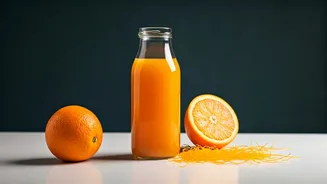
The wellness industry has championed cold-pressed juices as a superior option. The argument is that since no heat is used, more vitamins, minerals, and enzymes are preserved. While this is partially true—some sensitive nutrients may be better retained—it doesn't solve the core issues: high sugar concentration and zero fibre. A 'green juice' that is mostly vegetable-based (like cucumber, celery, spinach) with a small amount of fruit for taste is a much better choice. But if your expensive cold-pressed juice is mostly apple, pineapple, and orange, it’s still a sugar bomb, albeit a well-marketed one.