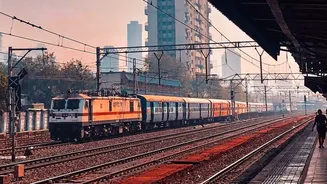



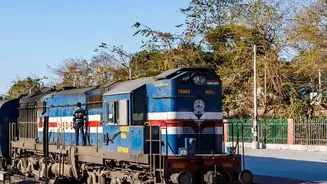

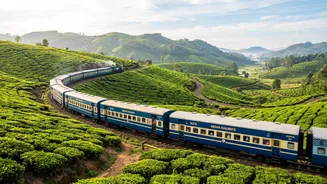
Book as Early as Possible
The most fundamental rule for stress-free booking is to plan ahead. Indian Railways currently allows passengers to book tickets up to 60 days in advance for most trains. This advance reservation period (ARP) is your golden window. General quota booking typically
opens at 8:00 AM on the first day of the window. For major festivals like Diwali, which falls on November 8, 2026, the booking window opens in early September. To succeed, you must be ready the moment bookings open. Seats on high-demand routes can be fully booked within minutes. Prepare by creating a 'Master List' of passenger details on your IRCTC account beforehand to save precious time during the booking process.
Master the Tatkal and Premium Tatkal Quota
If you miss the 60-day window, the Tatkal scheme is your next best option for last-minute travel. Tatkal booking opens one day before the train's departure from its originating station. The booking window is extremely short and competitive: it starts at 10:00 AM for all AC classes and 11:00 AM for non-AC classes like Sleeper. To increase your chances, log into your IRCTC account 10-15 minutes early, have your passenger details saved, and use a fast payment method like UPI. Note that Aadhaar authentication is often required for Tatkal bookings to ensure fairness. For very high-demand routes, also look for the Premium Tatkal quota, where ticket prices are dynamic and increase as seats fill up. While more expensive, it can be a lifesaver when all other options are exhausted.
Look for Festival Special Trains
To manage the immense festival rush, Indian Railways announces hundreds of 'Special Trains' on popular routes. These services are typically announced a few weeks before the festival dates and have a shorter advance booking period, often less than 30 days. Keep a close watch on the official IRCTC website, mobile app, and news updates for announcements from zonal railways. Bookings for these special trains often open a day or two after the announcement and can fill up just as quickly as regular trains, so acting fast is crucial.
Be Flexible with Your Plans
A little flexibility can go a long way. If your primary train is fully booked, consider these alternatives. First, try booking from or to a nearby major station instead of your exact origin or destination. This can sometimes open up availability under a different station's quota. Second, consider a 'break journey,' where you book two separate tickets to complete your trip, for instance, from your origin to an intermediate station and then another from there to your final destination. Finally, check different travel classes. While you may prefer 3AC, seats might still be available in 2AC or even Sleeper class.
Leverage Technology and Booking Tools
Several apps and websites, including official IRCTC partners, offer tools to ease the booking process. Many provide a 'confirmation probability' feature, which uses historical data to predict the chances of a waitlisted ticket getting confirmed. This can help you decide whether to hold onto a waitlisted ticket or look for alternatives. You can also set alerts that notify you when waitlisted tickets get confirmed or when booking opens for a particular train. For waitlisted tickets, the VIKALP scheme automatically attempts to provide a confirmed berth in an alternate train on the same route if seats are available, so be sure to opt-in for it during booking.