








The Underrated Power of Doing Nothing
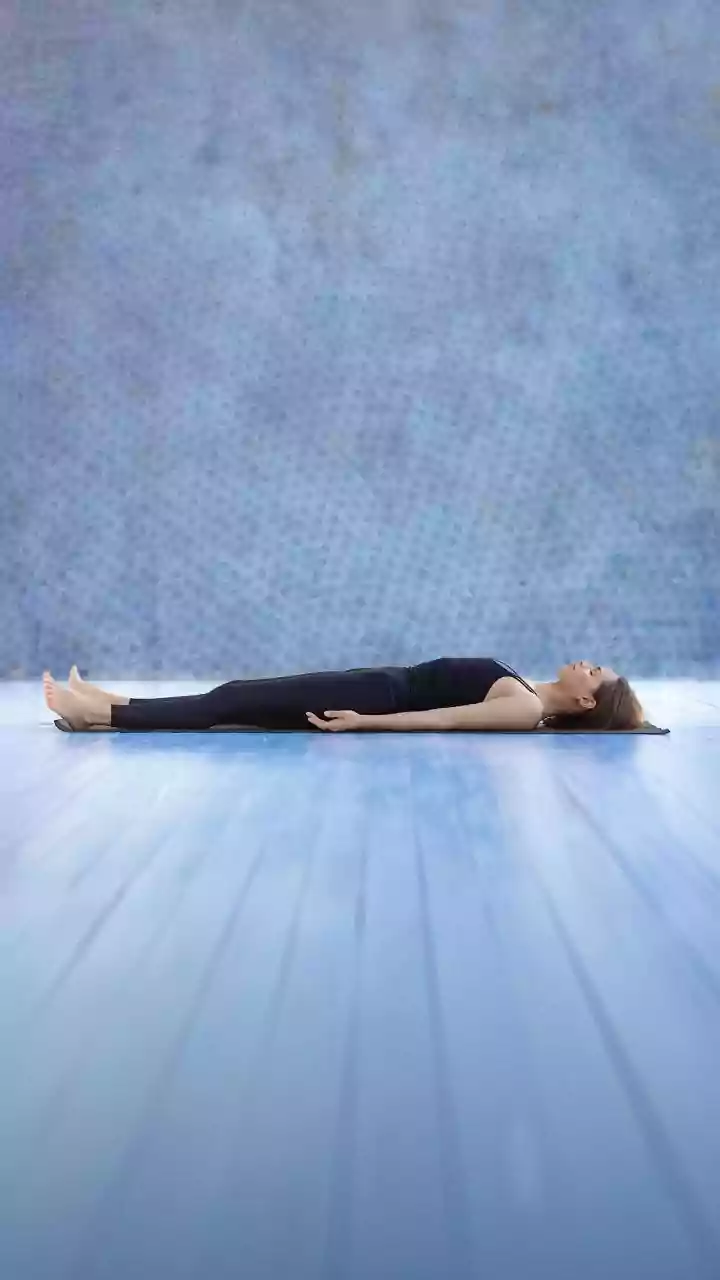
It might look like just lying on the floor, but Shavasana, or Corpse Pose, is one of yoga's most important and restorative postures. The name comes from the Sanskrit words 'shava' (corpse) and 'asana' (pose), and it involves lying still on your back in a state
of complete relaxation. While it sounds simple, the true challenge is to remain still and aware without drifting off to sleep. The goal is to consciously release tension from every part of your body and quiet the relentless chatter of your mind. It's a deliberate practice of letting go, which serves as a bridge between the physical activity of a yoga session and the mental stillness needed to integrate its benefits. More than just rest, it's an active process of mental and physical rejuvenation.
The Science Behind the Recharge
So, how does lying still actually recharge your brain? The secret lies in its effect on your nervous system. Most of the time, especially in high-pressure work environments, our bodies are in 'fight or flight' mode, governed by the sympathetic nervous system. This state is marked by elevated heart rate and stress hormones like cortisol. Shavasana helps shift the body into the 'rest and digest' mode, activating the parasympathetic nervous system. This activation slows your heart rate, lowers blood pressure, and reduces stress hormone levels, creating a deep sense of calm. This physiological shift allows your brain to move from active beta waves (associated with stress and thinking) to calmer alpha and theta waves, which are linked to relaxation, mental clarity, and improved focus. By calming the nervous system, you give your brain the space it needs to reset and recover from mental fatigue.
How to Practice Corpse Pose at the Office
You don't need a yoga studio to reap the benefits. Find a quiet space where you won't be disturbed for 5-10 minutes—an empty conference room, a quiet corner, or even your own office with the door closed. If lying on the floor isn't an option, a modified version can be done in your chair. To practice the classic pose, lie flat on your back. Let your legs be a comfortable distance apart, with your feet falling naturally to the sides. Rest your arms alongside your body, slightly away from your torso, with your palms facing up. Close your eyes and start to bring your awareness to your breath, breathing slowly and deeply. Begin a mental 'body scan': starting with your toes, consciously relax each part of your body, moving slowly up to your head. Notice any tension in your jaw, shoulders, or brow, and intentionally let it go. Your mind will wander—when it does, gently guide your focus back to your breath without judgment.
Integrating the Pause Into Your Workday
The key to making this practice effective is consistency. Aiming for even five minutes of Shavasana can make a difference. Consider scheduling it into your calendar just like any other appointment. It's particularly effective before a big presentation to calm your nerves, after a stressful meeting to decompress, or during your lunch break to combat the afternoon slump. Instead of scrolling through your phone during a break, try a few minutes of conscious rest. This short pause can help you transition between tasks with a clearer mind, boosting productivity and preventing the cumulative effects of stress. Think of it not as losing time, but as investing in your mental clarity and efficiency for the rest of the day. By creating this small ritual, you give your nervous system a much-needed break from constant stimulation.
More Than Just a Pose
While Shavasana is powerful on its own, it also serves as a gateway to greater mindfulness at work. The ability to consciously relax and quiet your mind is a skill that translates to better stress management in all areas of your life. Regular practice helps you become more aware of your body's stress signals, like a tight jaw or shallow breathing, allowing you to address them before they escalate. This heightened self-awareness fosters emotional balance and resilience, helping you respond to workplace challenges thoughtfully rather than reactively. Ultimately, incorporating a simple practice like Corpse Pose is about more than just a quick fix for fatigue; it's a sustainable way to protect your mental well-being in a demanding professional world.