


A 'First Light' Moment for Space Broadband
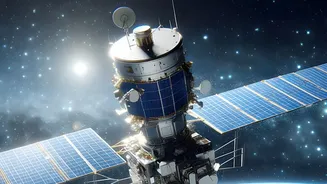
In a remarkable demonstration, NASA successfully beamed an ultra-high-definition video from its Psyche spacecraft to Earth, across a staggering distance of 31 million kilometres. The 15-second clip, which humorously featured a cat named Taters chasing
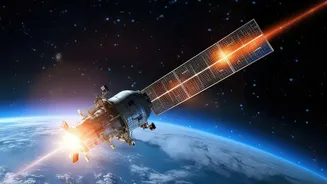
a laser, was transmitted at a stunning rate of 267 megabits per second (Mbps)—a speed comparable to many home broadband connections. This test, part of the Deep Space Optical Communications (DSOC) experiment, marked the first time video has been streamed from beyond the Moon using lasers, taking just 101 seconds to traverse the vast distance. This achievement isn't just a novelty; it proves that high-bandwidth data transmission from the far reaches of our solar system is not only possible but practical.
How Lasers Outpace Radio Waves
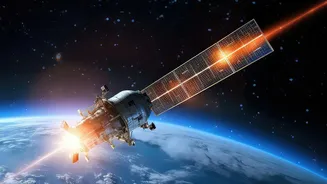
For decades, space missions have relied on radio frequency (RF) signals to communicate. While reliable, RF is like a broadcast speaker—its signal spreads out, weakening over distance and limiting how much data can be sent. Infrared laser communication, or optical communication, works more like a focused laser pointer. It uses invisible infrared light, which has a much higher frequency than radio waves. This allows engineers to pack significantly more data into a tighter, more concentrated beam. The result is a massive leap in bandwidth, enabling data rates 10 to 100 times greater than the state-of-the-art radio systems used by missions today. For example, transmitting a complete map of Mars, a task that would take nine weeks with RF systems, could be done in just nine days with lasers.
A Game-Changer for Science and Discovery
This technological leap promises to revolutionize space science. Modern spacecraft are equipped with powerful instruments that can capture immense amounts of high-resolution data, but their ability to send that information home has been a bottleneck. With laser communications, scientists on Earth can receive massive datasets from missions exploring distant asteroids or the moons of Jupiter in a fraction of the time. This accelerated timeline means faster analysis and more discoveries. Imagine receiving detailed, 4K video from the surface of another world almost as it happens, rather than waiting hours or days for compressed, lower-quality images. This new capability will dramatically increase the scientific return on investment for every future robotic mission.
Connecting Future Astronauts on Mars
Perhaps the most critical application of this technology is for future human exploration. Crewed missions to Mars will require robust, high-speed communication for the safety and well-being of the astronauts. This isn't just about sending messages back and forth; it's about enabling real-time support from Mission Control, transmitting vital telemetry from life support systems, and allowing astronauts to have live, high-definition video calls with their families on Earth. Current radio technology would make such interactions difficult, with significant delays and low data rates. Laser communication is the key to creating a reliable information lifeline, making interplanetary travel safer and less isolating for the explorers who will one day walk on the Red Planet.
Building the Interplanetary Internet
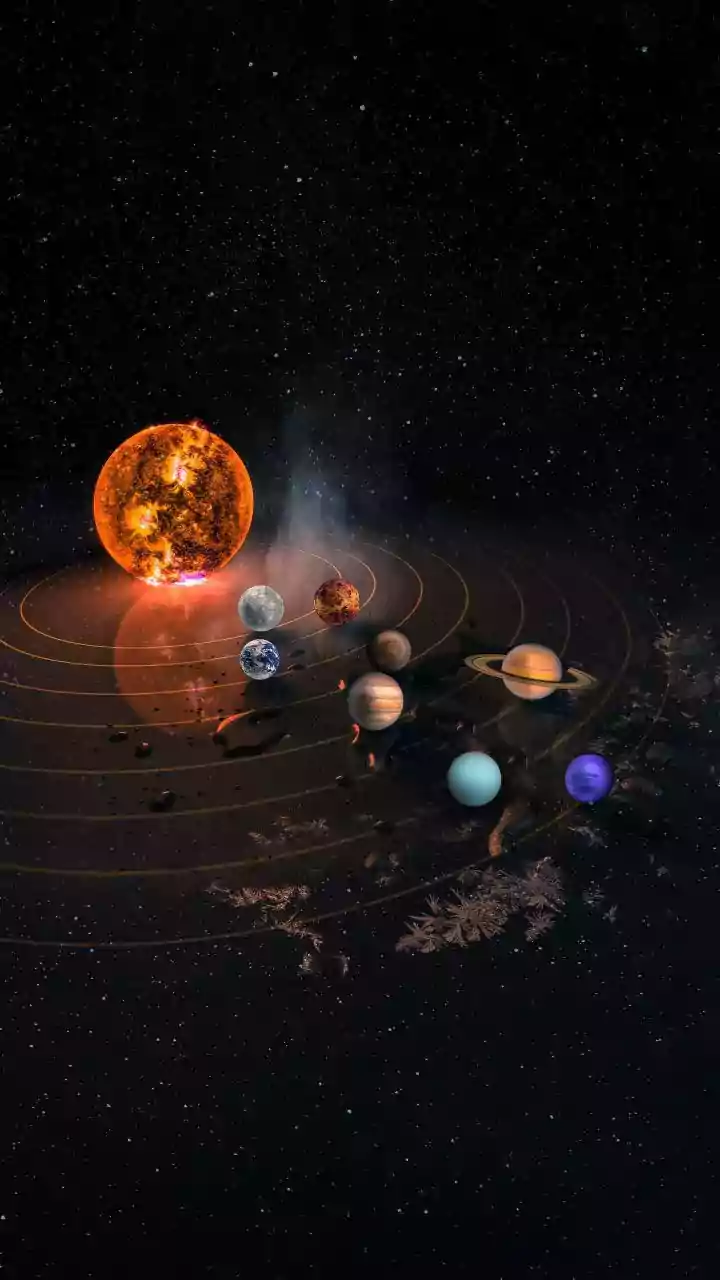
The DSOC experiment is more than just a single successful test; it's a foundational step toward building an interplanetary network. NASA envisions a future where a system of optical relays connects Earth, the Moon, Mars, and various spacecraft into a seamless communication grid. This "solar system internet" would allow data to flow freely and quickly between planets and probes. Furthermore, the hardware for laser communication systems is typically smaller, lighter, and requires less power than comparable radio systems. This frees up valuable mass and power on spacecraft, allowing for more science instruments or other critical hardware. This efficiency, combined with immense speed, paves the way for a new era of interconnected, data-rich space exploration.