

The Reimagined Fabric Backdrop
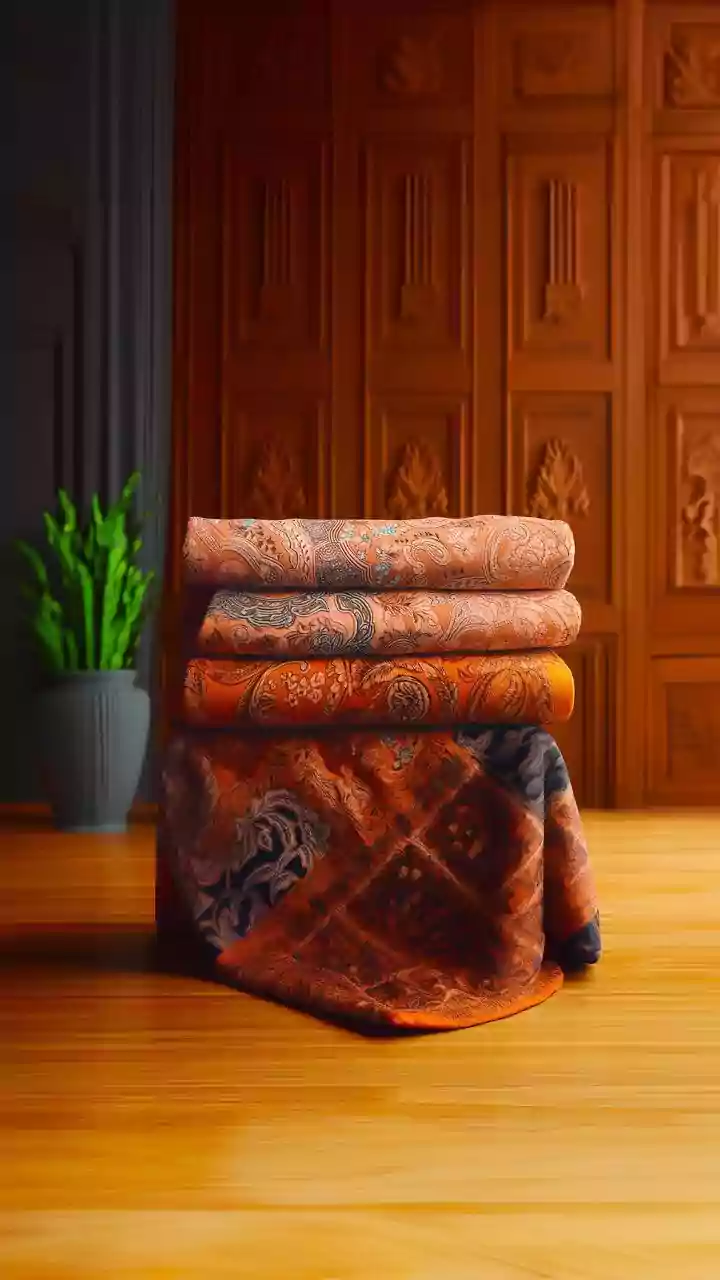
Instead of buying synthetic or plastic backdrops, look within your own closets. A beautiful old saree or a vibrant dupatta can create a stunning and personal background for your Ganpati idol. Silks offer a rich sheen, while cottons with traditional prints
provide an earthy feel. Layering two or three contrasting or complementary fabrics can add depth and an element of design. This approach is not only zero-cost and space-efficient but also reduces waste and connects the celebration to family heirlooms. Pin the fabric to the wall behind your mandap to keep the floor area clear.
Floral and Foliage Accents
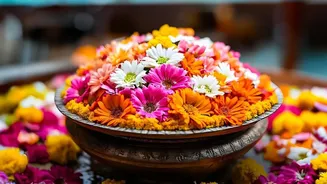
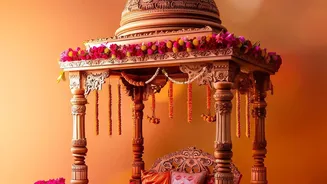
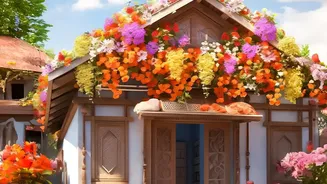
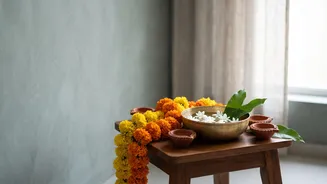
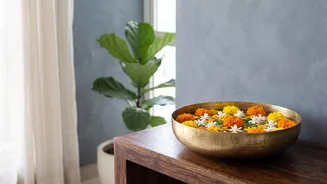
Flowers are an integral part of any puja, but they can be used beyond simple garlands. Create a complete floral canopy or a 'phoolon ki jhadar' above the idol using strings of marigolds, jasmine, or even local blooms. For a space-saving vertical element, use banana or palm leaves as side panels for your mandap. They add a lush, traditional feel and are completely biodegradable. A small floral rangoli made from loose petals at the base of the idol offers a burst of colour and fragrance without the use of chemical powders.
DIY Paper and Cardboard Creations
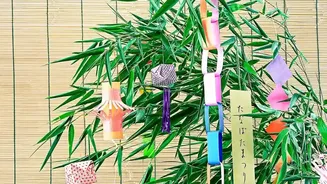
Engage the entire family in crafting decorations from paper and cardboard. Old cardboard boxes can be cut and painted to create intricate temple-style arches or decorative panels. This is a wonderful way to involve children in the festivities. You can also make colourful paper fans from recycled paper or newspaper and arrange them in a mosaic pattern for a vibrant backdrop. Another idea is to create origami hangings like lotuses or simple Ganesha motifs to string around the puja corner, adding a delicate, handmade touch.
Earthen Elements: Clay and Terracotta
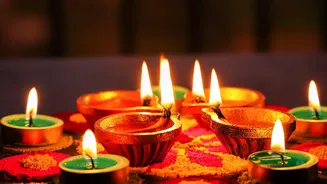
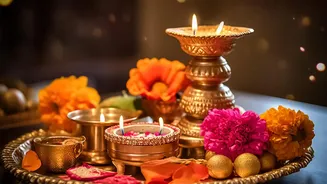
Ground your decorations with the beauty of earthen elements. Apart from the essential clay idol, incorporate terracotta diyas, bells, and small pots into your setup. These items add a rustic, traditional charm that is both timeless and eco-friendly. You can fill small earthen pots with water and float flower petals or place them around the mandap with marigold flowers. Using clay and terracotta not only supports local artisans but also ensures your decorations can be easily reused or returned to the earth.
Upcycled Lanterns and Lighting
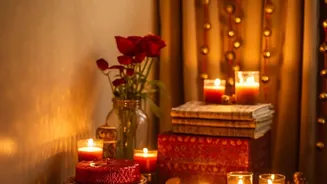
Festive lighting sets the mood, and it can be done sustainably too. Instead of buying new plastic fixtures, transform old glass jars and bottles into beautiful lanterns. Simply clean them and place LED fairy lights or eco-friendly oil diyas inside for a warm, magical glow. You can also paint the jars or wrap them with jute rope for a more decorative look. For a truly traditional touch, upcycle coconut shells into diyas by filling them with oil and a cotton wick.
Decor from the Kitchen Pantry
Your kitchen can be a surprising source of decoration materials. Create a unique and colourful rangoli using rice flour for the white base, turmeric for yellow, and different coloured pulses or grains for texture and detail. This is a traditional practice that avoids synthetic colours, which can be harmful to the environment. These natural materials add an auspicious and organic feel to your celebrations, ensuring every element is pure and respectful of nature.
Vertical Greenery and Potted Plants
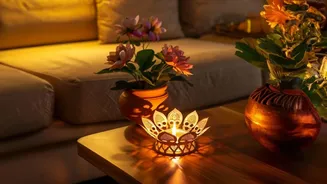
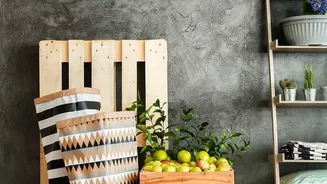
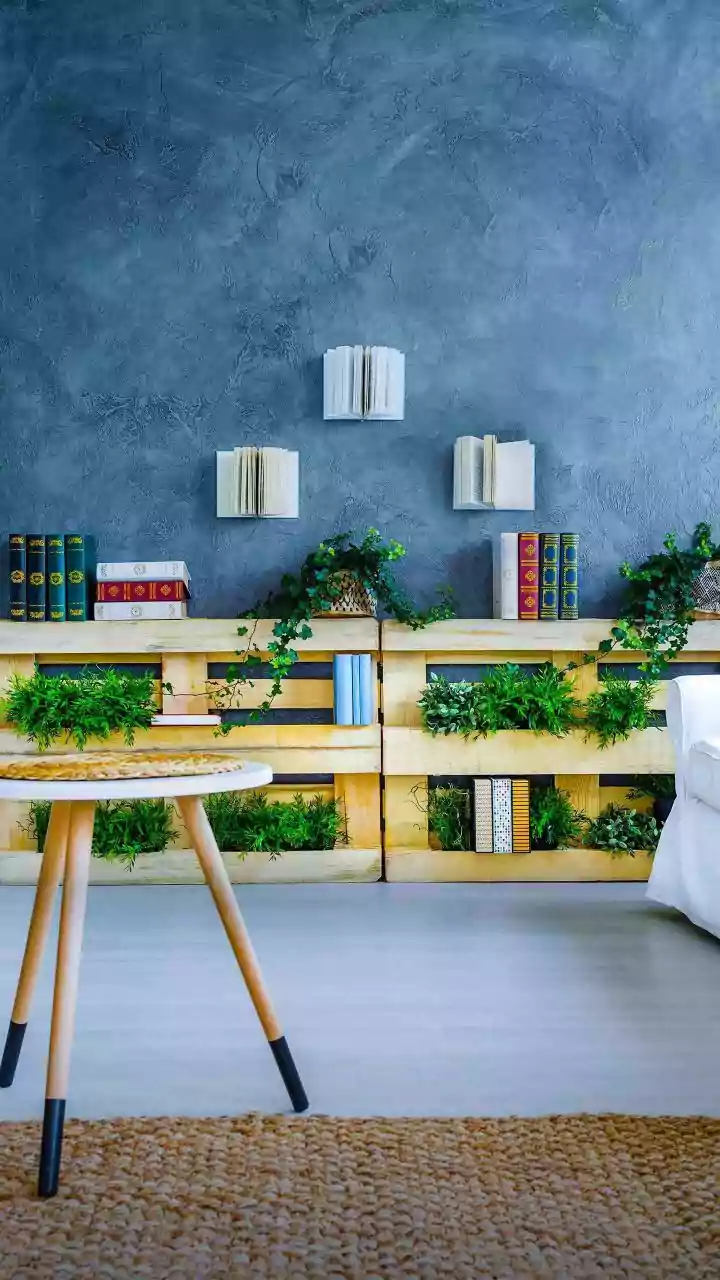
For homes with limited floor space, thinking vertically is key. If you have a balcony, use its natural greenery as a ready-made backdrop for your idol. Inside, you can place small potted plants like ferns or money plants around the mandap to add a touch of freshness and life. This not only looks beautiful and serene but also adds to the oxygen in the room. Using existing plants from around your home is a zero-waste way to create a green and vibrant festive corner.