


1. Play with Texture, Not Just Colour
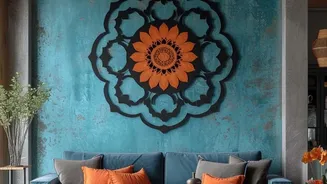
One of the most effective ways to create a focal point is by introducing texture. While a bold paint colour is a classic choice, a textured finish adds depth and sophistication that paint alone cannot replicate. Finishes that mimic natural materials like
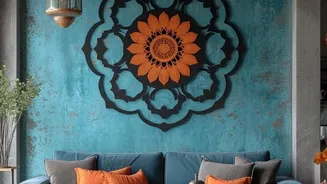
stone, sand, or concrete can give a wall a dynamic quality, as the way it catches light changes throughout the day. In Indian homes, where earthy and organic elements are cherished, a wall with a subtle stucco, limewash, or rustic plaster finish feels both modern and grounded. These textures are particularly effective in living rooms or bedrooms, creating a sense of warmth and character. This approach works well in small spaces because it draws the eye without overwhelming the room with a dark or overly bright colour.
2. Embrace a Single, Saturated Colour
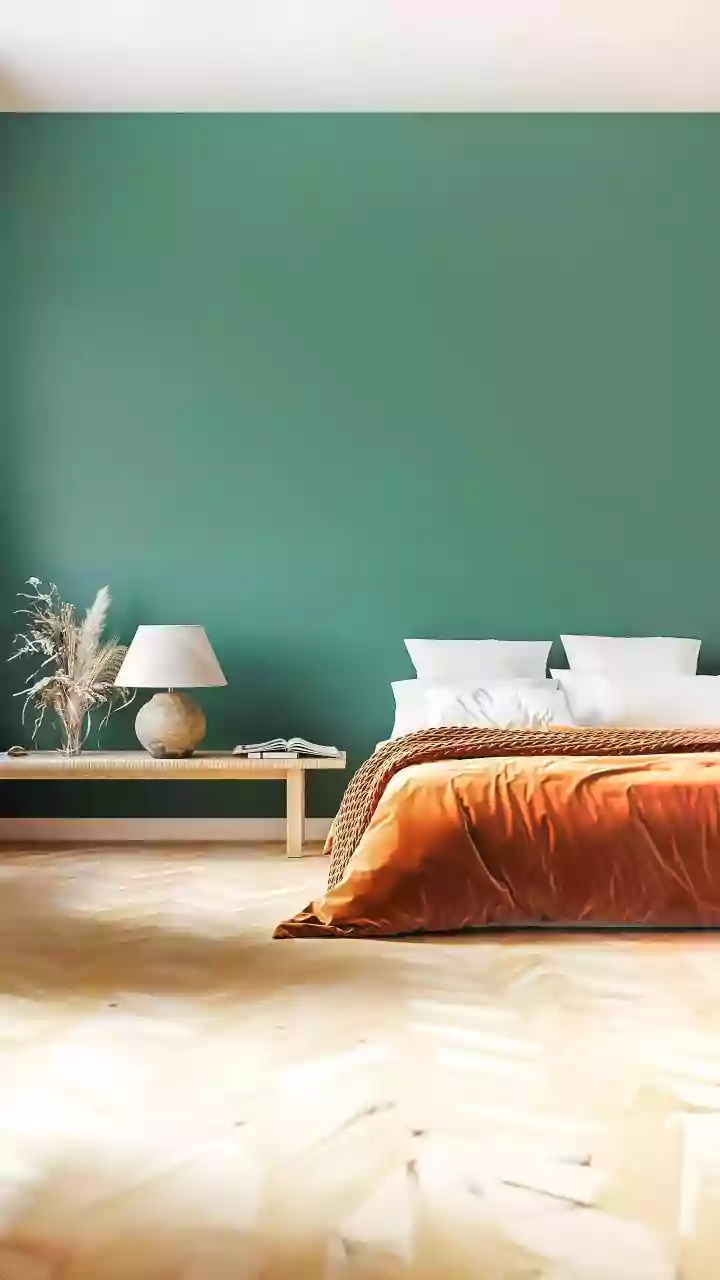
Never underestimate the power of a single, deeply saturated wall. While it may seem counterintuitive, a dark accent wall can actually make a room feel larger by creating an illusion of depth. Rich jewel tones like emerald green, deep navy blue, or a regal plum can create a sophisticated and cosy atmosphere, especially behind a sofa or bed. Earthy shades like terracotta or a warm ochre are also excellent choices, resonating with traditional Indian architecture and pairing beautifully with wooden furniture. The key to making this work in a compact home is balance. Keep the other three walls and the ceiling in a light, neutral shade like ivory or warm white to reflect light and prevent the room from feeling small or dark.
3. Add Warmth with Wood Panelling
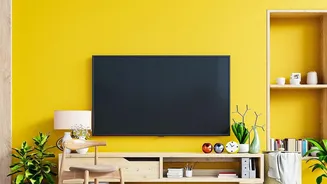
Wood brings an unmatched sense of warmth and elegance to any interior. For compact homes, fluted or reeded wood panelling is a fantastic choice for an accent wall. The vertical lines of the panels draw the eye upward, creating an illusion of a higher ceiling. This works beautifully behind a TV unit or as a headboard wall in a bedroom. While solid wood is beautiful, engineered alternatives like MDF panels or laminates are often more stable in India's varied climates and can be more budget-friendly. Lighter woods like white ash can brighten a room with less natural light, while a richer walnut tone can make a living space feel cosy and inviting.
4. Celebrate Heritage with Stencils
For a truly personalised and culturally rich accent, consider using traditional Indian motifs. Stencils offer a creative and cost-effective way to introduce intricate patterns without the permanence or expense of wallpaper. Classic designs like paisley, floral damasks, or geometric trellis patterns can be used to create an all-over design or a singular, large-scale motif as a focal point. This method allows for complete control over colour, letting you choose a subtle tone-on-tone effect or a more striking contrast. It's a wonderful way to connect modern living with timeless Indian artistry, adding a layer of storytelling to your home's decor. You can find a wide variety of stencils online, from mandalas to Mughal-inspired borders.
5. Create Space with Mirrored Panels
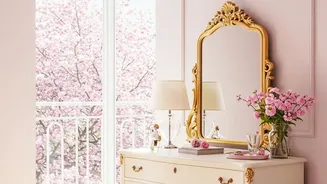
It’s a classic design trick for a reason: mirrors make small spaces look bigger. Creating an accent wall with mirrors is a surefire way to enhance a compact room by reflecting light and creating a profound sense of depth. Instead of a single, plain mirror, consider using a series of bevelled mirror tiles, tinted glass panels, or a large mirror with an antique finish to add glamour and avoid a 'gym' feel. When placed opposite a window, a mirrored wall can double the amount of natural light in the room, making it feel brighter and more open. This is an especially effective strategy for narrow entryways, small dining areas, or any living room that needs a touch of brightness and drama.