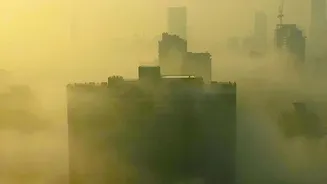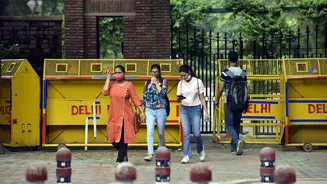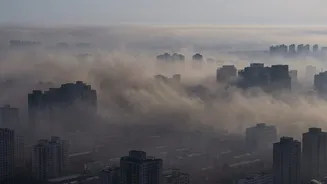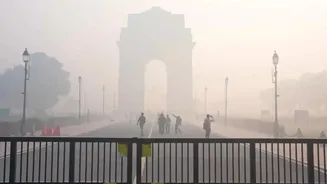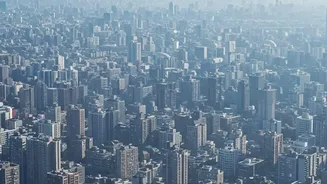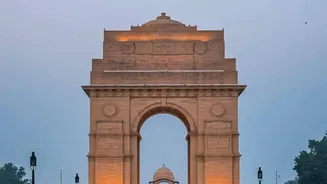





For millions in Delhi, the day no longer begins with a breath of fresh air. It starts with a glance at an app, checking numbers that decide the day's course. This is life under the grey shroud of pollution, a crisis that has become a daily reality.
The Morning Ritual, Redefined
The
familiar morning routine has been subtly, yet fundamentally, altered. Instead of checking the weather forecast, families in Delhi now check the Air Quality Index (AQI) on their phones. A reading in the 'Very Poor' or 'Severe' category—a common occurrence in November—triggers a series of defensive actions. The morning walk or jog, once a staple of a healthy lifestyle, is now a calculated risk. Many residents are forced to abandon it entirely, swapping parks for indoor yoga mats. Windows are kept shut, sealing homes against the toxic air outside, while air purifiers hum constantly, becoming as essential as any other home appliance. This constant vigilance, this need to shield oneself from the very air one breathes, marks the start of another day of adaptation.
Education and Work Under a Haze
The impact on the city's youngest is particularly stark. As pollution levels spike, authorities often implement measures like the Graded Response Action Plan (GRAP). Recently, Stage III of GRAP prompted a shift to hybrid learning for students up to Class 5, giving them the option to attend classes online. This disrupts not only academic schedules but also the crucial social development that happens at school. For adults, the situation is similar. Government and private offices have been advised to operate with partial work-from-home policies to reduce traffic and emissions. While this helps curb pollution, it also blurs the lines between home and office, adding another layer of complexity to daily life and affecting productivity for both businesses and individuals.
A Constant Strain on Health
The physical toll of breathing Delhi's air is immediate and undeniable. It goes beyond the persistent cough and itchy throat. Residents report a rise in eye irritation, chronic headaches, and a pervasive sense of fatigue. Doctors see an increase in emergency room visits for asthma, bronchitis, and even cardiac events during periods of high pollution. The fine particulate matter, PM2.5, is a primary concern, as it can penetrate deep into the lungs and enter the bloodstream, leading to long-term damage. This has created what some call 'pollution anxiety', a constant worry about the invisible damage being done to one's body and the health of loved ones, particularly children and the elderly who are most vulnerable.
A Shrinking Social and Public Life
The smog doesn't just cloud the skies; it dampens the city's vibrant social life. Outdoor activities, from weekend picnics in Lodhi Garden to evening strolls in neighbourhood markets, are curtailed. Playgrounds fall silent as parents keep their children indoors, away from the hazardous air. Even simple errands feel like a chore that requires masking up and minimising time outside. Social gatherings increasingly move indoors, and the simple joy of being out in the city is lost for weeks on end. This forced isolation and the gloomy, grey backdrop take a mental toll, contributing to a collective sense of confinement and resignation as the city waits for the air to clear.