






A Shift to Flavour-Focused Journeys
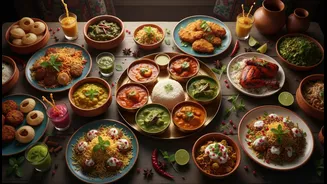
Move over, monuments and museums. A significant trend is reshaping how Indians travel, with nearly 40% now identifying food and local cuisine as a major factor when planning holidays. This isn't just about trying a local dish; it's about building an entire
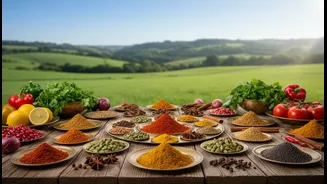
itinerary around a single gastronomic passion. Known as culinary or gastronomic tourism, this approach involves exploring a destination through its unique tastes, from visiting farms to participating in cooking workshops and tracing the stories behind food traditions. This immersive style of travel is driven by a desire for authentic experiences that connect travellers more deeply with the culture of a region. Instead of a generic checklist, they are creating personal maps guided by taste, memory, and curiosity. The market for these experiences is booming, reflecting a shift from passive sightseeing to active, engaging journeys.
The Allure of the Tea Trail
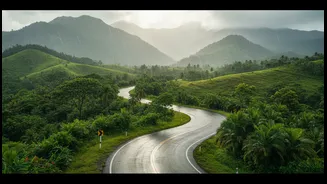
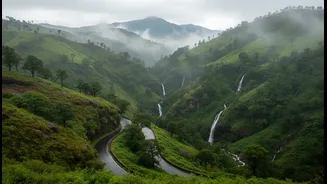
For tea lovers, India offers some of the most soulful travel experiences imaginable. In places like Darjeeling, Assam, and Munnar, tea tourism invites visitors to stay in historic bungalows on sprawling estates, some dating back to the British era. These journeys go far beyond a simple tasting. Travellers can walk through the misty tea gardens, interact with the pluckers deftly picking 'two leaves and a bud,' and visit factories to witness the intricate process of withering, rolling, and drying that transforms a simple leaf into the world-renowned beverage. Estates like Makaibari and Happy Valley in Darjeeling offer a deep dive into the heritage of organic and biodynamic farming, allowing guests to understand the difference between a first flush and second flush tea straight from the source. It's an experience that engages all the senses, connecting the flavour in the cup to the soil and community that produced it.
Following the Fruit Harvest
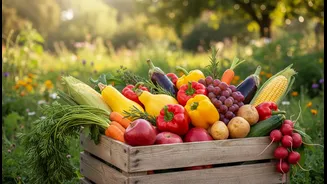
Orchard tourism offers another delicious way to explore the country's agricultural heartlands. In Maharashtra, agri-tourism ventures celebrate the 'king of fruits' with mango festivals and farm stays in the Konkan region, particularly around Ratnagiri. Visitors can tour vast Alphonso mango farms, indulge in unlimited Aamras parties, and learn about the cultivation of this prized fruit. Further north, Himachal Pradesh, known as India's "Apple Bowl," is drawing travellers away from crowded hill stations and into its serene orchards. Areas like Kotgarh and Thanedar, the birthplace of commercial apple cultivation in India, offer homestays where guests can participate in the harvest, which typically runs from July to September. These trips provide a refreshing, hands-on connection to nature and the rhythms of the seasons.
Coastal Quests for the Freshest Catch
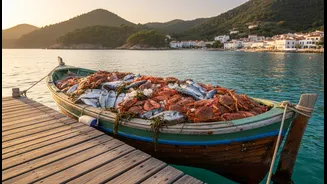
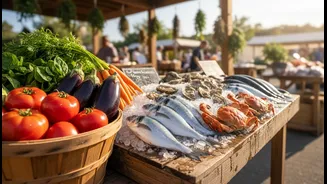
The thousands of kilometres of India's coastline offer a different kind of culinary adventure, one centred on fish and seafood. Travellers are designing routes along coastal belts like Goa and Kerala to explore the unique interplay of local spices and fresh catch. In Kerala, a food tour might involve a stay on a traditional houseboat in the backwaters, enjoying freshly prepared 'karimeen' (pearl spot fish) steamed in banana leaves, or visiting a coastal village to learn how to make a spicy coconut curry from a local family. These journeys often include visits to bustling fish markets at dawn, cooking classes that demystify regional seafood preparations, and meals in local homes, offering a true taste of life by the sea. It's a way to experience how geography, culture, and cuisine are inextricably linked.
A Journey into Family Recipes
Perhaps the most personal form of culinary travel is the journey to rediscover one's own heritage. For many, this involves tracing family history through lost or half-forgotten recipes. This deeply personal quest can lead travellers back to ancestral villages and kitchens, reconnecting with relatives to document the tastes of their childhood. The process often starts with a single memory—a specific flavour or dish—and evolves into a mission to learn the techniques and ingredient combinations that are known only to older generations. Food writers and chefs have embarked on such journeys, uncovering not just recipes but the stories and cultural context behind them. This kind of travel is more than a holiday; it's an act of cultural preservation, creating a bridge between past and future generations through the powerful medium of food.