



Beyond the Basic Mocktail
For years, the non-drinker’s choice was a frustratingly limited one. While friends enjoyed complex cocktails with layers of flavour, teetotallers were often relegated to fizzy drinks or overly sweet concoctions that felt like an afterthought. But that’s
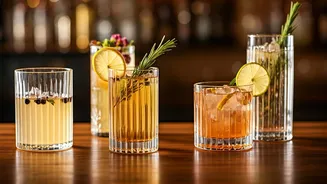
changing, and fast. The new wave of crafted beverages is not about simply removing alcohol; it’s about building a sophisticated drink from the ground up. Think of them as culinary creations in a glass. Bartenders, or ‘mixologists’, are now applying the same level of creativity, high-quality ingredients, and meticulous technique to their zero-proof menus as they do to their alcoholic ones. This isn't just about mixing juices. It’s about balance, texture, aroma, and a satisfying finish—the same elements that define a great cocktail.
The Rise of the Mindful Drinker
So, what’s fuelling this delicious shift? The answer lies in a broader cultural move towards 'mindful consumption'. An increasing number of Indians, particularly millennials and Gen Z, are becoming 'sober curious'. They aren’t necessarily giving up alcohol entirely but are choosing to drink less, or more selectively. This is driven by a desire for better health, improved mental clarity, and avoiding the dreaded next-day hangover. Wellness is no longer a niche interest; it's a mainstream lifestyle pillar. People are more conscious of what they put into their bodies, from the food they eat to the beverages they consume. This wellness-minded guest still wants the social experience of going out for a nice drink; they just don't want the alcohol that traditionally comes with it. Hospitality businesses have realised that catering to this demographic is not just inclusive, but also smart business.
What’s Actually in the Glass?
The secret to a great crafted drink lies in its components. Bartenders are creating their own house-made syrups and infusions, using everything from Indian spices like star anise and cardamom to herbs like rosemary and thyme. They are experimenting with shrubs—tangy, fruit-and-vinegar-based syrups that add a complex acidity far more interesting than a squeeze of lime. Fermented drinks like kombucha and kefir provide a natural fizz and gut-friendly benefits. We're also seeing the use of premium ingredients like cold-pressed juices, artisanal teas, and aromatic bitters (many of which have negligible alcohol content). The biggest game-changer has been the explosion of high-quality non-alcoholic spirits. Brands are now producing convincing zero-proof versions of gin, whiskey, and aperitifs, using distillation and botanical extraction to mimic the complex flavour profiles of their alcoholic counterparts. This allows mixologists to recreate classic cocktails without the buzz.
From Niche to Mainstream Menu
What was once a niche offering found only in a few high-end urban bars is now becoming a standard feature on menus everywhere. Top restaurants in Mumbai, Delhi, and Bengaluru now boast dedicated 'zero-proof' or 'low-ABV' sections that are as creative and appealing as the main cocktail list. They understand that a great dining experience is holistic. Forcing a guest who has spent thousands on a gourmet meal to drink a packaged juice is a disconnect. Offering them a thoughtfully prepared beverage that complements their food shows a commitment to hospitality. Furthermore, these drinks are profitable. Using premium ingredients and skilled preparation justifies a higher price point than a simple soft drink, creating a valuable new revenue stream. It’s a win-win: guests feel included and catered to, and establishments boost their bottom line.