



The Allure and Ambiguity of September
September sits in a sweet spot for travel in India. It’s officially the ‘shoulder season’—a time wedged between the heavy monsoon and the busy, cooler peak tourist months. This means fewer people and often lower prices for flights and accommodation. The
landscapes, freshly washed by months of rain, are lush and vibrant. However, this is also when the southwest monsoon begins its slow, staggered retreat across the subcontinent. This withdrawal isn't like flipping a switch; it's a gradual process that can be unpredictable, bringing sunny days to one region while another remains drenched. This is precisely why your travel planning should start with a weather map, not a trending destinations list. An Instagram-famous spot is no fun if you’re confined indoors by relentless downpours.
Why Weather Is Your Most Important Co-Pilot
For a solo traveller, freedom and mobility are everything. Unfavourable weather can ground you, turning a journey of exploration into a frustrating waiting game. Heavy rains can lead to cancelled transport, landslides in hilly areas, and waterlogged streets in cities, severely limiting what you can do. Activities like trekking, photography, or simply wandering through a new city become difficult, if not impossible. Conversely, choosing a destination with pleasant weather opens up a world of spontaneity. You can rent a scooter, explore remote corners, enjoy clear views, and make the most of every moment. A less-popular destination with clear skies and comfortable temperatures will always deliver a better experience than a famous one battling the tail-end of a turbulent monsoon.
Navigating India’s September Weather Map
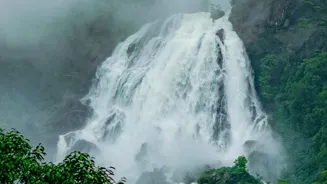
India's weather in September is a mixed bag, with distinct regional differences. The key is knowing where the monsoon has receded and where it lingers. In the north, states like Rajasthan and the areas around Delhi see the monsoon drying up, leaving behind pleasant temperatures and green landscapes. It’s an ideal time to explore palaces and forts without the scorching heat of summer or the crowds of winter. In contrast, the popular coastal destinations of Goa and Kerala on the west coast are still experiencing significant rainfall. While the intensity might be less than in July or August, you can still expect frequent showers that can disrupt beach plans. The northeast, including places like Darjeeling and Shillong, also remains quite wet.
The Smart Money: Dry and Drier Destinations
So where should you go? The smartest choices are often in regions that are either post-monsoon or lie in a rain shadow. The high-altitude deserts of Ladakh and the Spiti Valley in Himachal Pradesh are perfect examples of rain-shadow areas; the Himalayas block the monsoon clouds, resulting in dry, sunny weather ideal for road trips and trekking. By September, the summer crowds have also started to thin. Another excellent choice is Tamil Nadu on the southeastern coast. This state benefits from being in the rain shadow of the Western Ghats and enjoys a brief, relatively dry spell before the northeast monsoon arrives later in the year. This makes it a great month to explore its magnificent temples and coastal towns. Similarly, parts of Rajasthan offer a culturally rich and dry experience, with the added bonus of seeing the arid landscape look unusually green.
Planning for a Successful Solo Trip
Once you’ve aligned your destination with the likely weather, a few extra steps can ensure a smooth trip. First, pack smart. Even in drier regions, a lightweight waterproof jacket is a good idea for unexpected showers. If you're heading to the mountains like Ladakh, remember that nights get cold, so pack warm layers. Second, stay flexible. Book accommodations that allow for last-minute changes if possible. Check local, short-term weather forecasts just before you travel, as conditions can change. Finally, embrace the freedom that solo travel offers. Being unbound by a group’s fixed itinerary allows you to adapt to the weather, perhaps spending an extra day somewhere sunny or making a spontaneous detour to a place you hadn’t considered.