
The Sweet Soul of Tradition
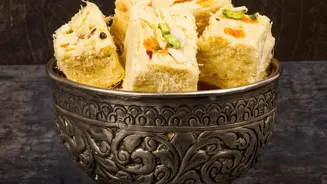
For generations, mithai has been the heart of Indian celebrations. More than just dessert, these sweets are symbols of joy, togetherness, and heritage. From Diwali platters shared among neighbours to wedding announcements sweetened with barfi, mithai is
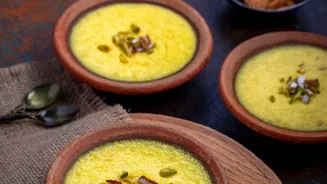
woven into the very fabric of cultural life. The techniques are time-honoured, the recipes passed down, and the flavours—rich with ghee, cardamom, saffron, and nuts—are deeply nostalgic. This enduring legacy forms the foundation upon which a new, exciting chapter in India's sweet story is being written.
A Modern Culinary Renaissance
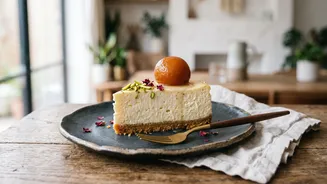
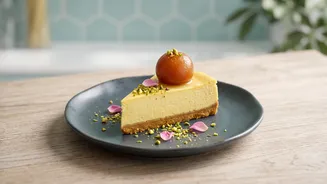
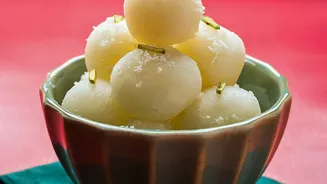
Today, that traditional foundation is being built upon with creative flair. The concept of fusion mithai blends the soul of Indian desserts with the techniques and flavours of Western patisserie and global cuisine. This culinary crossover is less about replacement and more about reimagination. It asks delightful questions: What happens when a creamy, New York-style cheesecake is layered with soft, syrupy gulab jamuns? Or when the light, airy sponge of a Mexican Tres Leches cake is soaked in fragrant, saffron-infused rasmalai milk?. The results are spectacular, offering a taste that is both comfortingly familiar and thrillingly new. This trend is not just about mixing ingredients; it's a thoughtful dialogue between cultures on a plate.
Desserts That Break the Internet
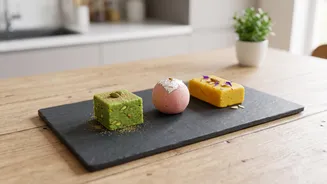
The creations emerging from this trend are as visually stunning as they are delicious. Think of Thandai-flavoured mousse, Motichoor Ladoo layered into a parfait, or a Gajar ka Halwa-inspired carrot cake with cardamom cream cheese frosting. Home bakers and artisanal brands are also crafting cookies and cream barfi, paan-flavoured ladoos with gulkand, and even croissant shells filled with rich badam halwa. These desserts are designed to be showstoppers. Their elegant presentation and inventive layering make them perfect for social media, where photos of a perfectly sliced Rasmalai cake or a gleaming Gulab Jamun cheesecake can go viral, inspiring countless others to try their hand at making—or at least tasting—these modern marvels.
The New Generation of Mithai-walas
This movement is not being led by large, established corporations but by a vibrant community of home chefs, food bloggers, and boutique sweet makers. Brands like Bombay Sweet Shop, Genda Phool, and Saugaat by Bikanervala have carved a niche by giving beloved classics a contemporary twist, focusing on high-quality ingredients and exquisite packaging. Many of these entrepreneurs began experimenting in their own kitchens, driven by a passion for flavour and a desire to create something unique for a modern Indian palate. They operate through Instagram, cloud kitchens, and specialty stores, connecting directly with a generation of food lovers who are eager to explore tastes that reflect their own global-yet-local identity.
The Driving Forces of Fusion
Several factors are fueling the rise of fusion mithai. Evolving urban tastes mean consumers are actively seeking novel experiences that blend Indian and international flavours. There is also a growing health consciousness, with many creators offering versions with less sugar, or using natural sweeteners like jaggery and dates. But perhaps the biggest driver is the desire for personalisation and novelty, especially during festive seasons. While traditional sweets remain a staple, a box of coffee-infused barfi or a platter of mojito ladoos offers a fresh and exciting way to celebrate, gift, and share. It keeps the spirit of the tradition alive while adding a layer of modern creativity and fun.