





The Hidden Risks in Your Cupboard
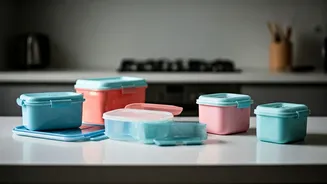
Plastic is convenient, but it doesn't last forever. Over time, especially with exposure to heat and repeated washings, plastics can degrade. This breakdown can lead to two main concerns: the leaching of chemicals and the formation of microplastics. Many
older plastics contain chemicals like bisphenol-A (BPA) and phthalates, which are endocrine disruptors that can interfere with the body's hormones. While most new containers are BPA-free, the replacement chemicals may not be significantly safer. Furthermore, scratches and cuts in the plastic can become breeding grounds for bacteria that are difficult to wash away, posing a hygiene risk.
When to Say Goodbye to a Container
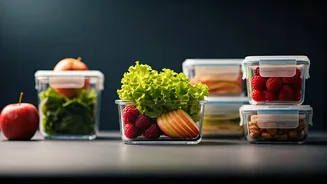
There isn't a strict expiry date for a plastic box, but its condition is the best indicator of its safety. It's time to retire a container if you notice significant warping, cracks, or deep scratches that you can feel with a fingernail. These signs indicate the plastic's integrity is compromised. Persistent stains from foods like curry or tomato-based sauces aren't necessarily harmful on their own, but if they're accompanied by a lingering odour that won't wash out, it suggests the plastic has become porous and is absorbing food particles. A lid that no longer fits snugly also means the container can't create an airtight seal, defeating its purpose and potentially leading to spoilage.
Smarter Care for the Plastic You Keep
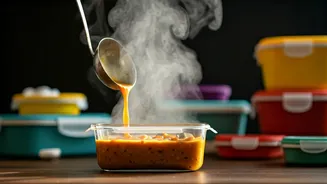
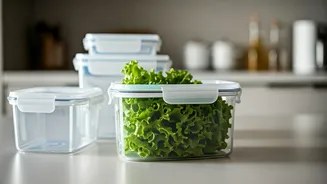
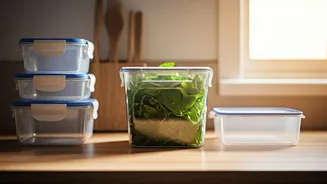
To extend the life of your good-quality plastic containers, proper care is essential. Avoid exposing them to extreme heat, which accelerates the breakdown of plastic. This means not microwaving them, even if they are labelled 'microwave-safe', and washing them on the top rack of the dishwasher, if at all. Hand-washing with a soft sponge is gentler and prevents scratches. It is also wise to let hot foods cool down before storing them in plastic. Storing fatty or highly acidic foods in plastic for long periods can also increase the chances of chemicals leaching. When you're not using them, store containers with their lids off or slightly ajar to allow air to circulate and prevent musty smells.
Exploring Safer, Modern Alternatives
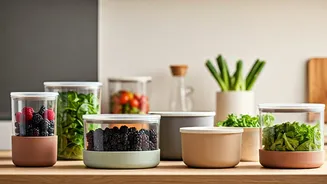
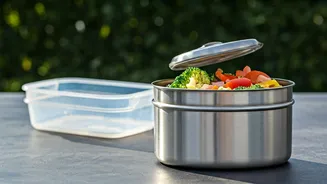
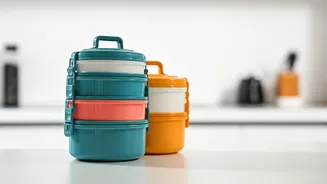
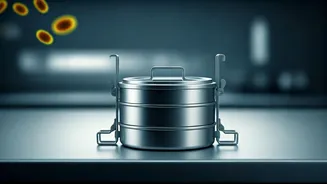
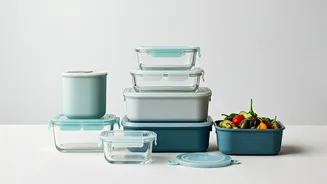
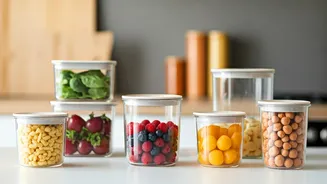
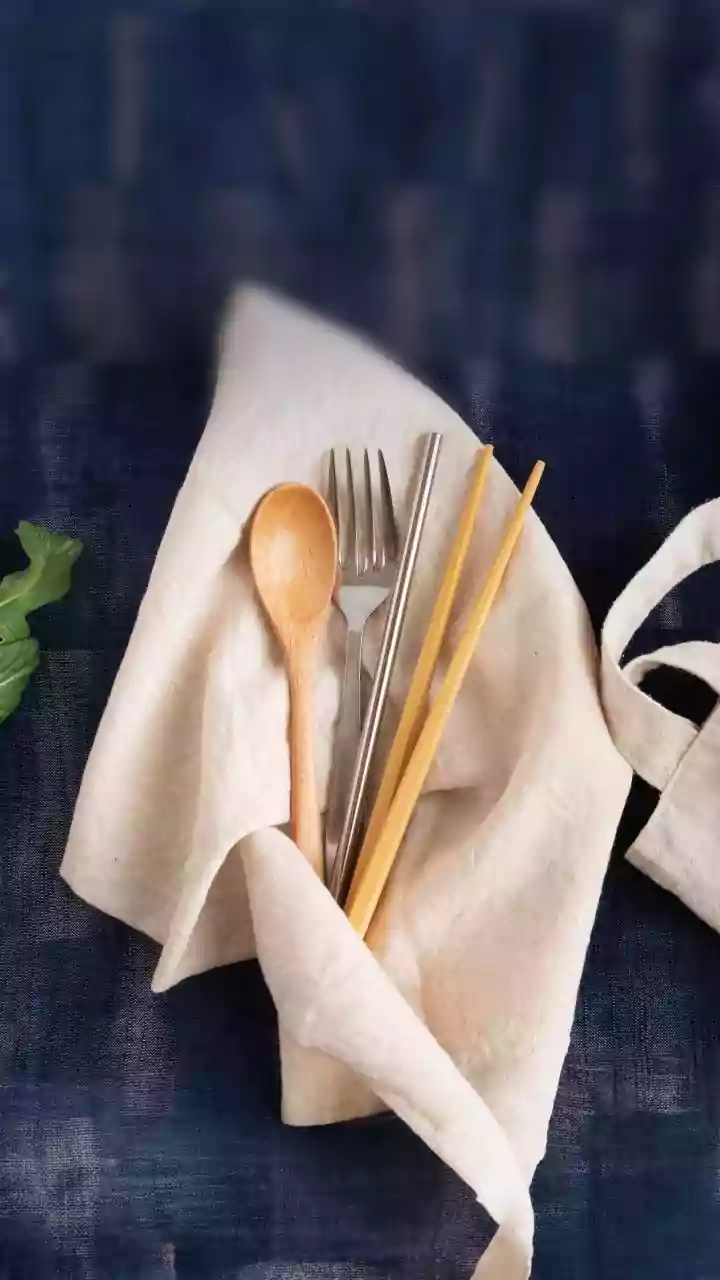
A modern reset involves gradually incorporating more durable and inert materials into your kitchen. Glass is an excellent choice as it doesn't stain, absorb odours, or leach chemicals, and it can usually go from the freezer to the oven. Stainless steel is another fantastic, lightweight, and unbreakable option, perfect for tiffin boxes and on-the-go meals. While they can't be used in the microwave, their durability is unmatched. Other eco-friendly options include bamboo and silicone containers, which are lightweight and free from the chemicals of concern found in some plastics. These materials are a long-term investment in a healthier, more sustainable kitchen.