


The Wisdom of Tradition
In the quest for a more sustainable future, some of the most effective solutions are found in our past. Indian culture is rich with eco-conscious practices that have been observed for centuries. Long before conversations about plastic waste and carbon
footprints, our ancestors hosted large community feasts with a minimal environmental impact. By revisiting these traditions, we can plan celebrations that are not only beautiful and memorable but also gentle on the planet. The focus on natural, biodegradable materials and locally sourced food is not a new trend but a return to a more harmonious way of living, perfectly suited for the modern festive season.
The Humble Banana Leaf
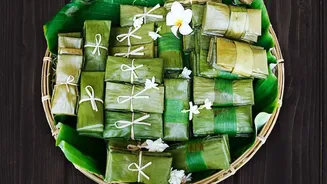
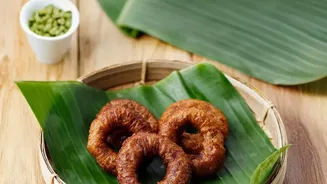
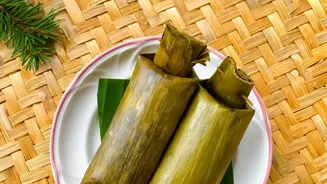
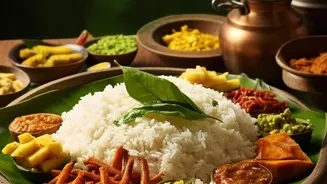
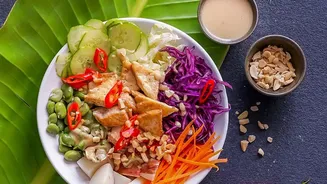
At the heart of a traditional, eco-friendly feast is the banana leaf. Far more than just a disposable plate, it is a symbol of purity, prosperity, and hospitality in many parts of India. Serving a meal on a banana leaf is an experience that engages all the senses. When hot food is placed on the leaf, its waxy coating releases a subtle, earthy aroma that enhances the flavour of the dishes. Beyond aesthetics, banana leaves offer practical benefits. They are naturally waterproof, large enough to hold a multi-course meal, and completely biodegradable, breaking down easily after use and returning to the soil. They also contain natural antioxidants, like polyphenols, which may be absorbed by the hot food served on them. This makes them a hygienic and non-toxic alternative to plastic or styrofoam plates.
Sourcing with Soul: The Local Pantry
A sustainable feast is as much about what you serve as how you serve it. Shifting focus to organic, regional, and seasonal produce is a powerful way to reduce your celebration's environmental impact. Foods that are grown locally travel shorter distances, which means a lower carbon footprint and fresher, more nutritious ingredients for your table. Eating with the seasons is an ancient principle validated by modern science; fruits and vegetables harvested at their natural peak are richer in vitamins and flavour. A winter festive menu might feature vibrant carrots, beets, and leafy greens like sarson and methi, while a summer celebration could highlight cooling cucumbers, gourds, and, of course, mangoes. Supporting local farmers not only ensures better quality but also strengthens community economies.
Putting It All Together: Your Sustainable Feast
Planning your eco-friendly feast can be a joyful and creative process. Start by visiting a local farmer's market to see what's in season. This can inspire your entire menu. When sending invitations, consider digital options to save paper. For decorations, choose natural elements like fresh flowers, mango leaves, and earthen diyas instead of plastic decor. When it comes to the meal itself, plan your quantities carefully to minimise food waste. You can set up labelled bins for composting wet waste and segregating recyclables, making the cleanup process greener. By combining the elegance of banana leaf serving with a menu built around fresh, regional ingredients, your feast becomes a conversation starter—a celebration of flavour, tradition, and conscious living that your guests will appreciate.