


More Than Just Grams
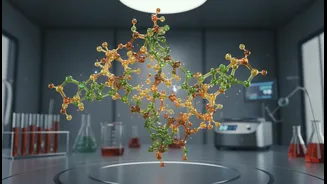
For years, the focus has been on the total grams of protein listed on a nutrition label. But that number only tells part of the story. Protein is made up of building blocks called amino acids. There are nine 'essential' amino acids that our bodies cannot
make, so we must get them from food. The true value of a protein source lies not just in how much protein it contains, but whether it provides all nine of these essential amino acids and, crucially, how well our bodies can digest and absorb them to repair tissues, support our immune system, and build muscle.
The Old Way of Measuring
Previously, the gold standard for protein quality was the Protein Digestibility-Corrected Amino Acid Score, or PDCAAS. This method, established in 1993, was a significant step forward, but it has limitations. PDCAAS measures digestibility based on analysing an entire stool sample, which doesn't accurately reflect where amino acid absorption actually happens. It also 'truncates' scores at 1.0 or 100%, meaning different high-quality proteins (like whey and soy) could all score a perfect 1.0, even if one was nutritionally superior. This made it difficult to distinguish between good and excellent protein sources.
A More Precise System: DIAAS
Enter the Digestible Indispensable Amino Acid Score, or DIAAS. Recommended by the Food and Agriculture Organization (FAO) of the United Nations in 2013, DIAAS is a more accurate and nuanced method for evaluating protein quality. Instead of measuring total tract digestibility, DIAAS measures the absorption of individual amino acids at the end of the small intestine—the exact place where they enter the body to be used. This provides a much truer picture of a protein's bioavailability. Furthermore, DIAAS scores are not capped at 100, allowing for a clearer ranking of different protein sources.
What This Means for Plant Proteins
This new analysis is particularly important for those on plant-based diets. While some plant proteins like soy score very highly under the DIAAS system, many others are limited in one or more essential amino acids, such as lysine, which is often low in grains. The DIAAS method highlights these differences more clearly than PDCAAS did. For example, under DIAAS, high-quality dairy proteins might score well above 100, while soy protein isolate scores around 90, and pea protein concentrate around 82. This doesn't mean pea protein is 'bad'; it just means its amino acid profile is less complete than others when eaten in isolation.
Building a Complete Protein on Your Plate
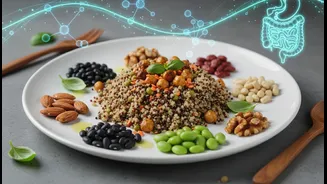
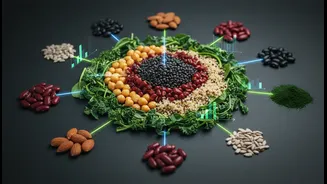
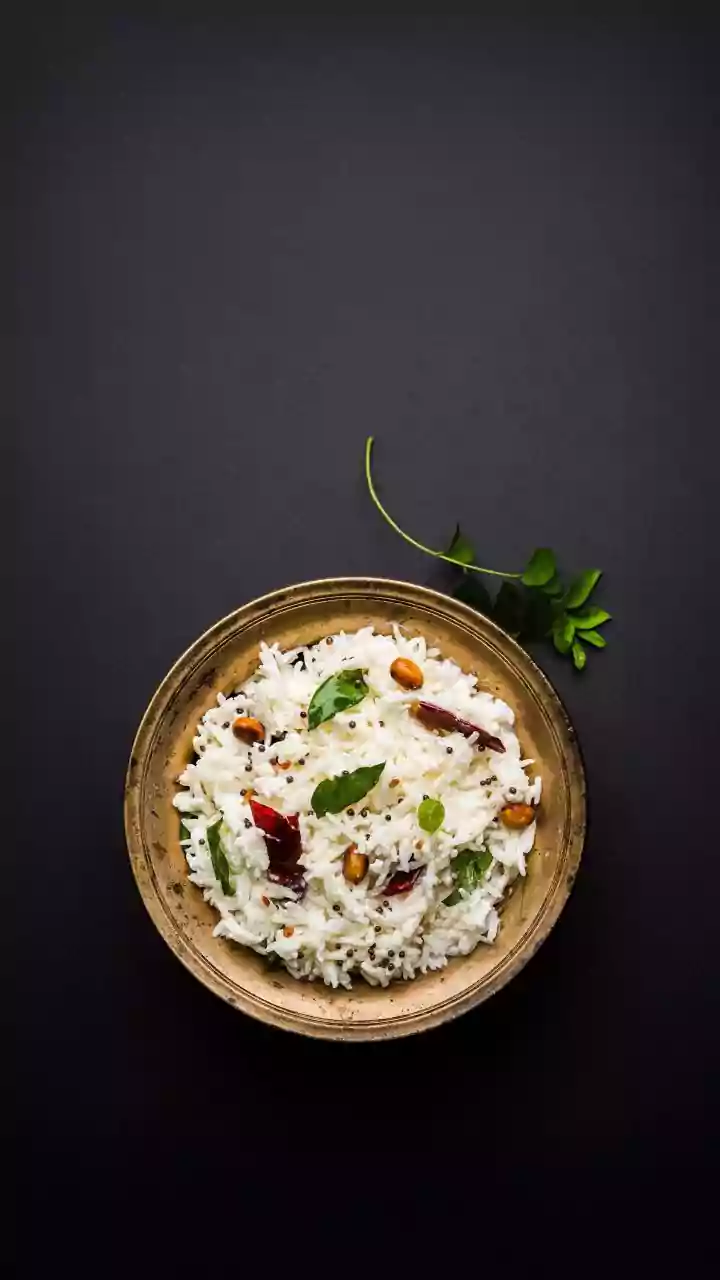
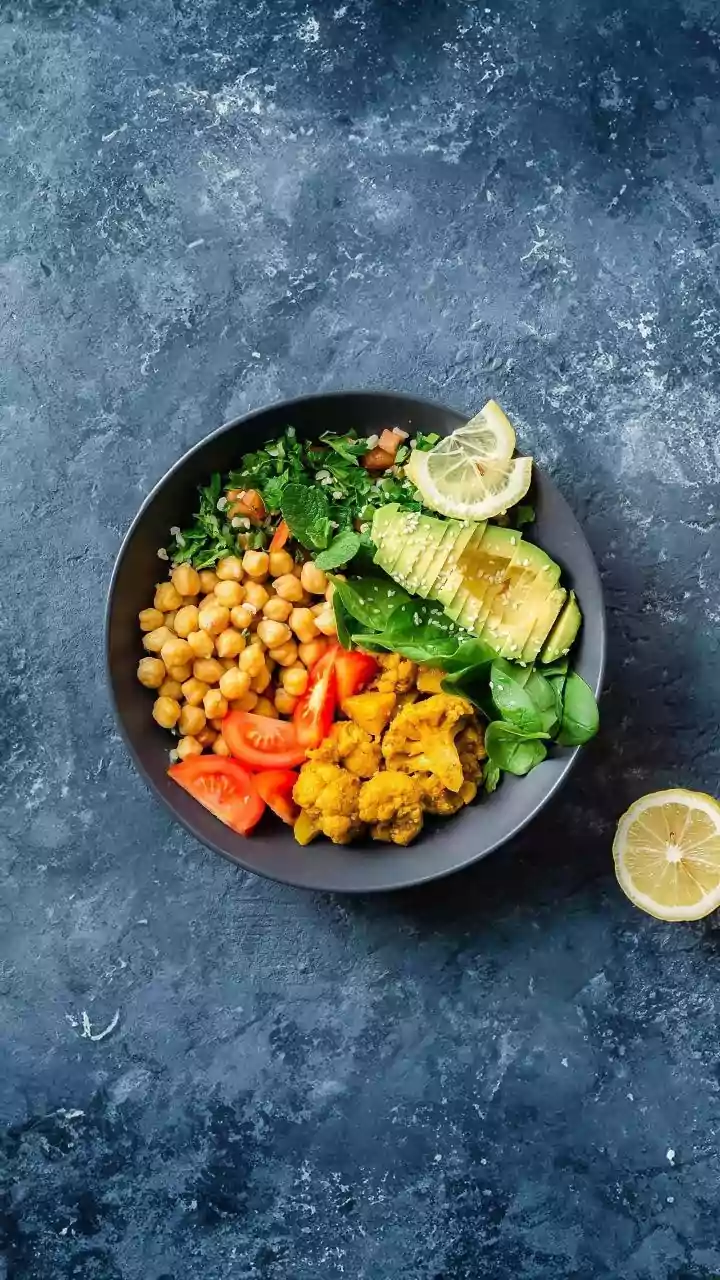
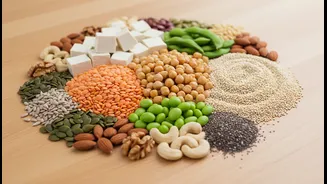
The great news is that this refined understanding empowers us to eat smarter. You don't need every single food to be a 'perfect' protein. The concept of 'protein complementation' shows that by combining different plant foods, you can easily get all nine essential amino acids. For instance, pairing grains (low in lysine) with legumes like beans or lentils (high in lysine) creates a meal with a complete amino acid profile. Think of classic combinations like rice and beans, hummus and pita bread, or peanut butter on whole-wheat toast. A varied plant-based diet that includes a mix of legumes, grains, nuts, and seeds throughout the day will almost certainly cover your needs.