




Why Aroma Can Be Deceiving
The captivating smell of dry tea is often the result of added flavorings, not the inherent quality of the tea leaves themselves. Tea merchants know that a strong, pleasant aroma is a powerful sales tool; it excites the senses and encourages a purchase
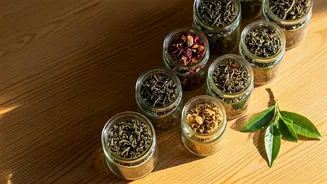
without having to brew a single cup. Many commercially available flavored teas use artificial aromas or nature-identical oils sprayed onto the leaves. These are designed to create an intense first impression. The problem is that these volatile oils can mask the taste of a low-grade tea base, which might be bitter or lack complexity. Once you add hot water, the initial burst of scent often evaporates quickly, leaving you with a disappointing and flat-tasting cup.
The Real Deal: Natural Scenting
Not all scented teas are created equal. Traditional methods, like those used for classic Jasmine tea, involve a painstaking process of layering fresh jasmine blossoms with tea leaves. The leaves naturally absorb the floral perfume over time. This creates a harmonious and integrated flavor that lasts through multiple infusions. In contrast, a tea simply sprayed with jasmine oil may have a strong initial scent, but the flavor will often wash away after the first brew. True quality comes from the tea leaf itself, and any additions should complement, not conceal, its natural character.
Look at the Leaves First
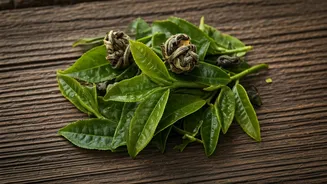
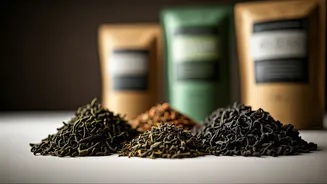
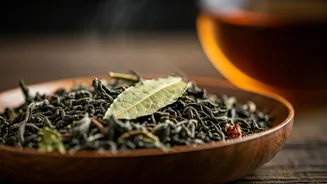
Before you even think about aroma, a visual inspection of the dry leaves can reveal a lot about the quality. High-quality loose-leaf tea consists of whole or large, unbroken leaves that are uniform in size and shape. If you see a lot of dust, small broken bits (known as fannings), or stems, it's often a sign of a lower-grade, machine-harvested product. The color should also be vibrant and consistent for its type—a bright jade for a green tea or a rich, dark brown for a black tea, for example—not dull or faded.
The Three Key Aromas
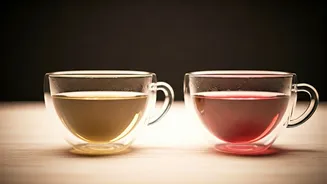
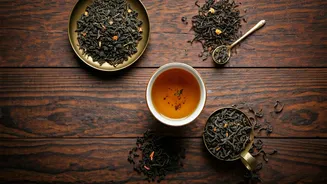
A true tea evaluation involves smelling the tea at three distinct stages. First is the dry leaf, which gives you an initial hint. Pure, unflavored teas will have a more subtle, complex scent than artificially flavored ones. The second, and more telling, aroma comes from the wet leaves after a brief rinse or the first infusion. This is where the tea's true character begins to emerge, revealing notes that might be floral, nutty, vegetal, or fruity. The final aroma is that of the brewed liquid, or liquor. This should be a clear, bright scent that aligns with the flavors you're about to taste.
Taste Is the Ultimate Test
Ultimately, the only way to truly judge a tea is to taste it. A great tea offers a journey of flavors. Pay attention to the initial taste, the feeling it has in your mouth (its 'mouthfeel' or 'body'), and the aftertaste, known as the 'finish' or 'hui gan'. Is the taste one-dimensional, or does it have layers of complexity? Is it smooth and buttery, or unpleasantly bitter and astringent? A high-quality tea will have a balanced and engaging flavor profile that lingers pleasantly long after you swallow. Flavor that disappears instantly or becomes bitter when the tea cools is a sign of lower quality.
How to Shop Smarter
To avoid being tricked by a pretty scent, seek out reputable vendors who provide information about their tea's origin, harvest date, and processing methods. Many specialty shops will offer to brew a sample for you. When buying online, start with smaller sample sizes to explore different types without committing to a large bag. Read descriptions that detail the flavor notes of the brewed tea—not just the aroma of the dry leaves. By engaging all your senses, you'll move beyond the surface-level scent and discover the deep, rewarding world of high-quality tea.