



The Wisdom of Simplicity
Minimalist cooking is about using fewer, high-quality ingredients to create flavourful food. This isn't a new trend; it’s the foundation of countless regional Indian dishes. Think of a simple dal tadka, a South Indian sambar, or a Bengali shukto. These
dishes rely on a handful of core ingredients, but each one plays a crucial role. The philosophy is about celebrating the inherent taste of the food itself, rather than masking it. This approach not only simplifies the cooking process but also reduces kitchen clutter and food wastage. By focusing on what is essential, home cooks can create deeply satisfying meals without a long, complicated ingredient list. This 'less is more' approach is the heart of authentic regional cooking, proving that simplicity and flavour can go hand in hand.
Nutrient-Dense by Design
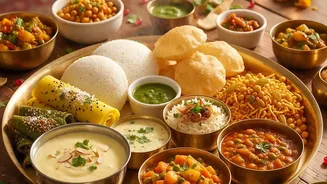
A traditional Indian thali is a perfect example of a balanced meal. The combination of dal (lentils), sabzi (vegetables), and roti (whole wheat flatbread) or rice isn't accidental; it's a nutritionally complete design. Lentils and grains together provide all essential amino acids, forming a complete protein. Vegetables, often cooked with minimal oil, add essential vitamins, minerals, and fibre. Dishes like palak paneer or avial combine leafy greens and various vegetables with a protein source, creating a one-dish powerhouse of nutrition. Even one-pot meals like khichdi, made from rice and lentils, are celebrated for being easily digestible and incredibly nourishing, often recommended when one is feeling under the weather. This inherent balance means you're getting a wide spectrum of nutrients without having to meticulously plan or track every single component.
The Power of Seasonal Eating
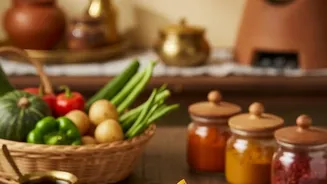
Before global supply chains made every vegetable available year-round, Indian cooking was intrinsically tied to the seasons. This practice, known in Ayurveda as 'Ritucharya', is a cornerstone of healthy eating. Eating seasonal produce ensures that fruits and vegetables are consumed at their peak nutritional value, freshness, and flavour. For example, winter in North India brings sarson ka saag (mustard greens), which is naturally warming and nutrient-dense for the colder climate. Summer offers cooling foods like gourds and cucumbers. Following this natural calendar provides the body with the specific nutrients it needs to thrive in a particular season, boosting immunity and improving digestion. By simply cooking with what's local and in season, you are following a time-tested blueprint for wellness.
A Pharmacy in Your Spice Box
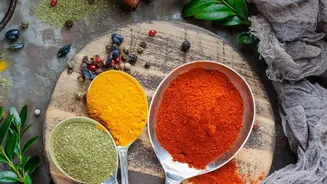
Indian spices do more than just add flavour; they are potent sources of medicinal compounds. Turmeric, with its active compound curcumin, is a powerful anti-inflammatory agent. Cumin and ginger are known to aid digestion, while fenugreek can help regulate blood sugar. The technique of 'tadka' or tempering—frying spices in hot oil or ghee to release their aromatic compounds—is a brilliant way to infuse an entire dish with these health benefits. Unlike processed foods that are high in empty calories, spices add a burst of flavour and significant nutritional value with minimal calories, making them a minimalist's dream for creating impactful, healthy meals.
Minimalist Techniques, Maximum Flavour
Many traditional Indian cooking methods are inherently minimalist and designed to preserve nutrients. Techniques like steaming (used for idlis and dhoklas), pressure cooking (for dals and legumes), and light sautéing are efficient and require less oil. The pressure cooker, a staple in many Indian kitchens, is perfect for cooking tough ingredients like beans and lentils quickly while retaining their flavour and nutritional value. Even a simple dish like 'rasam' from the South is a perfect example: a light, watery soup flavoured with tamarind, tomatoes, and spices, which is both comforting and fantastic for digestion. These simple, time-honoured techniques prove that you don't need fancy gadgets or complicated processes to create delicious and wholesome food.