




The Pre-Festive Price Shock
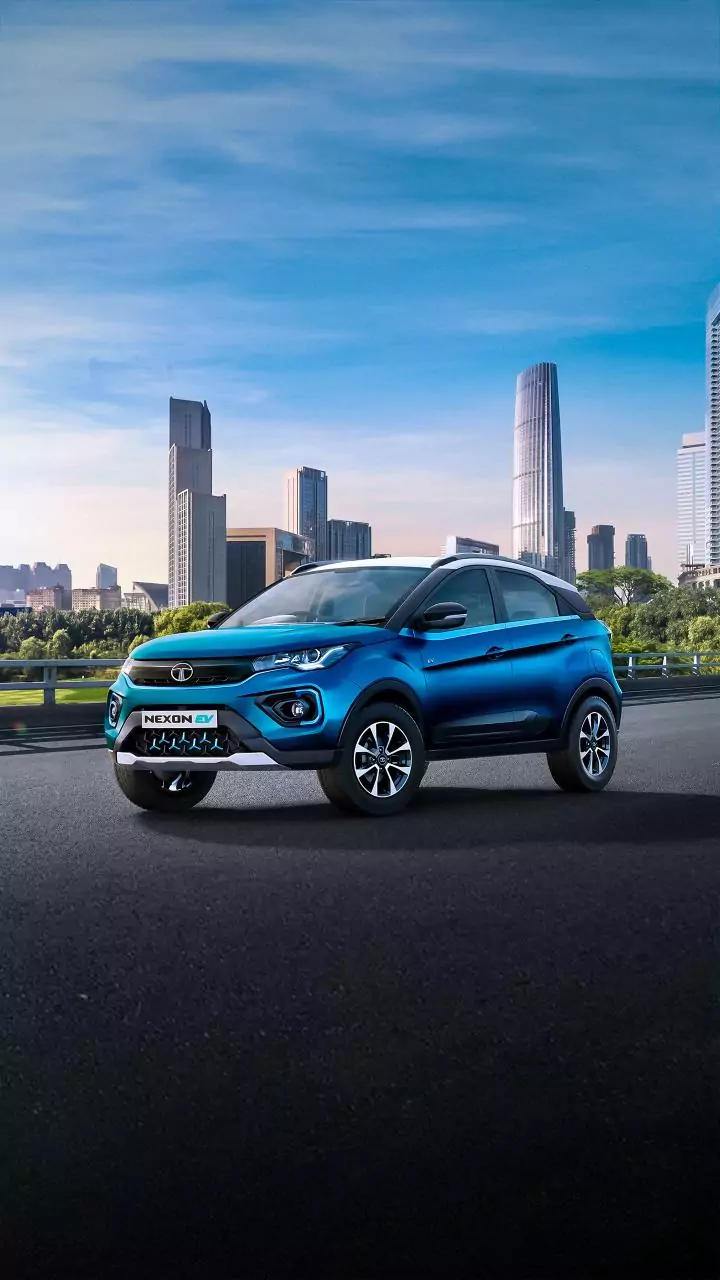
Just as India gears up for the high-demand festive period, several of the country's largest automakers have announced fresh price hikes. Tata Motors will increase prices across its passenger vehicles, including EVs, by up to ₹25,000 from September 1,
2026. This follows similar announcements from rivals. Hyundai Motor India confirmed a price increase of up to 1% across its portfolio, also effective from September. Maruti Suzuki, the nation's largest carmaker, already raised prices by up to ₹30,000 in August. This isn't a one-off event; for many of these companies, this is the second or even third price revision in 2026, creating a challenging environment for prospective buyers.
Why Are Car Prices Climbing?
Automakers are united in their reasoning: they are facing immense pressure from rising operational costs. The primary drivers are persistent inflation and the increasing prices of essential raw materials like steel and aluminium. Beyond materials, manufacturers also cite higher logistics expenses, unfavourable currency exchange rates making imported components costlier, and geopolitical uncertainties that disrupt global supply chains. Companies state that while they have been absorbing a significant portion of these increased costs to protect customers, the sustained pressure has made it impossible to avoid passing some of the burden on.
A Festive Season Under Pressure
The festive season, traditionally a period of booming sales driven by auspicious sentiment and attractive discounts, now faces a complex scenario. Despite the price hikes, automakers are ramping up production in anticipation of strong demand, with July 2026 seeing record-high dispatches to dealers. This suggests that while official prices are rising, manufacturers are still banking on high volumes. However, the dynamic between manufacturers and buyers is set for a balancing act. Automakers need to protect their profit margins, which have been under pressure, while still offering enough incentives to convert festive footfall into sales. Buyers might find that while headline discounts and financing schemes are still advertised, the underlying cost of the vehicle is notably higher than a few months ago.
Your Game Plan: To Buy or To Wait?
For a potential car buyer, this leaves a difficult choice. Waiting could mean facing even higher prices, as the trend of periodic hikes seems set to continue. Buying now, before the September increases take full effect, could save you a noticeable amount. However, this may mean compromising on festive deals that typically roll out from late August through Diwali. Experts suggest that the current market requires a strategic approach. If the car you want is available and fits your budget, securing it before another price revision might be wise. For others, the festive season may still bring model-specific offers or benefits on 2026 models that dealers are keen to clear out. The key is to weigh the immediate saving from avoiding a price hike against the potential for a better festive deal, keeping in mind that the overall cost base for cars has shifted upwards.