



Beyond Showroom Perfection
For years, interior design was dominated by crisp, clean minimalism—think sparse surfaces, cool grey tones, and a look so pristine it felt almost unlivable. While beautiful, this aesthetic often lacked a sense of personal history or warmth. Today, a compelling
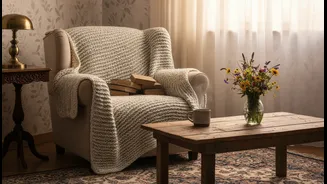
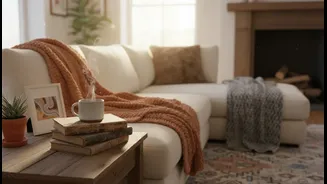
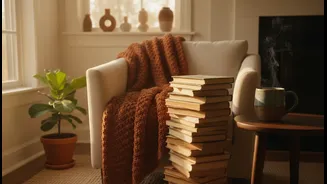
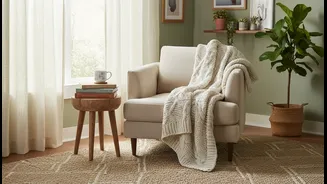
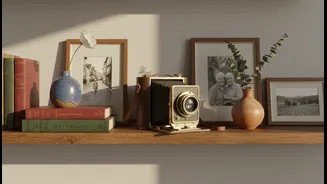
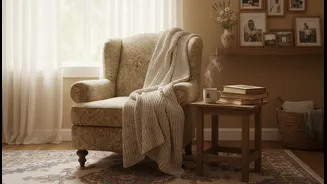
counter-movement is taking hold. Inspired by concepts like the Danish 'hygge' (a quality of cosiness and comfortable conviviality), homeowners are rebelling against the showroom look. This isn't about embracing mess, but rather a curated, meaningful collection of one's life. The trend, sometimes dubbed 'modern cottage' or even 'cluttercore', champions displaying treasured objects, from vintage furniture and handmade art to travel souvenirs, creating a space that tells a personal story. The focus is on creating a home that looks and feels lived-in, prioritizing authenticity over unattainable perfection.
The Psychology of a Sanctuary
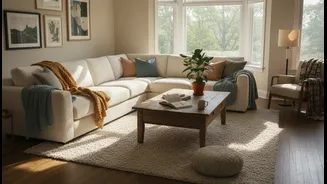
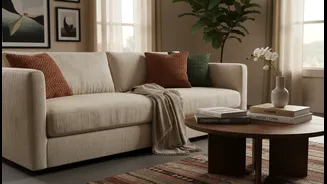
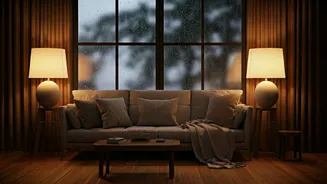
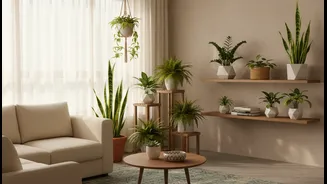
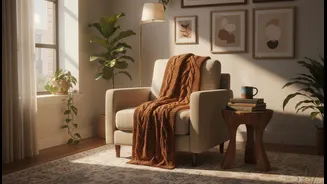
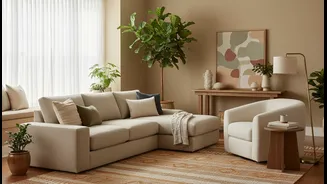
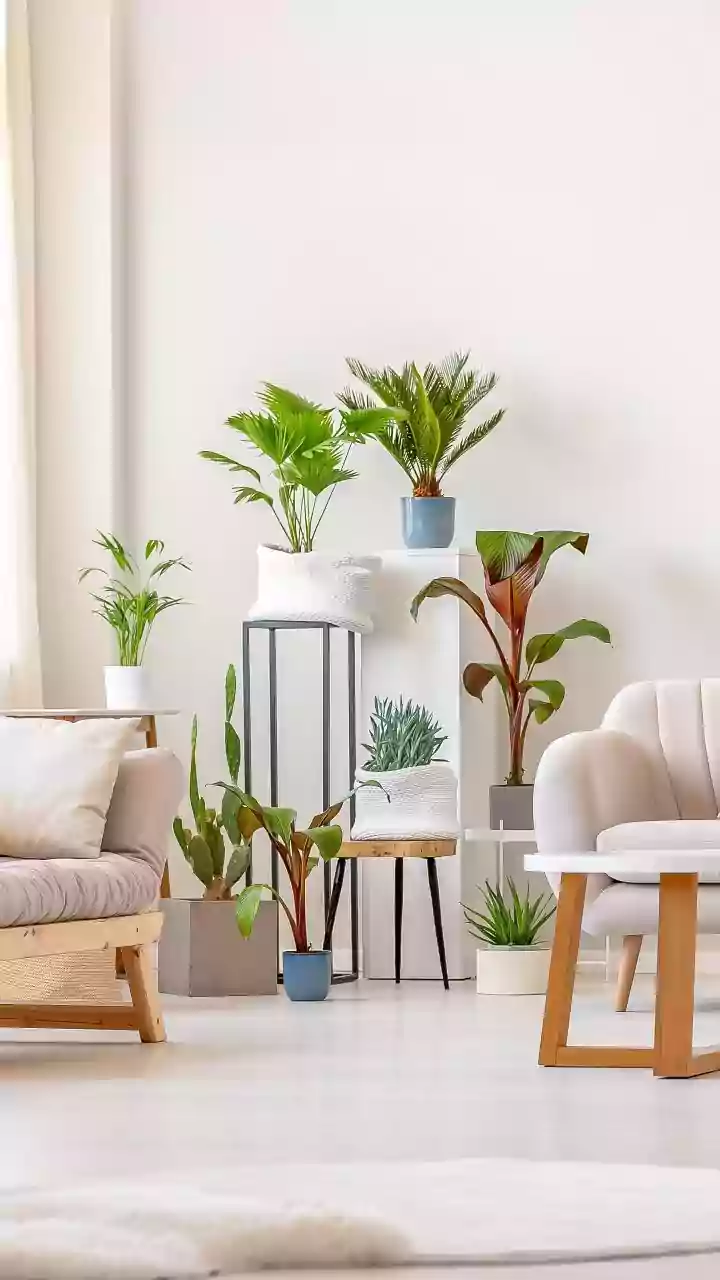
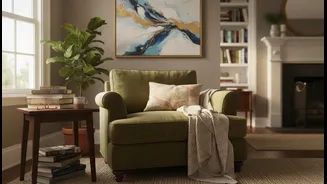
This pivot towards cosiness is deeply connected to a growing emphasis on mental health and wellness. A thoughtfully designed home can significantly reduce stress and enhance overall well-being. After a period where many spent more time at home than ever before, the desire to create a true sanctuary—a space that nurtures and recharges—has become paramount. It's about designing with intention to support mental clarity and restorative rest. This includes creating dedicated spaces for mindfulness, maximising natural light to regulate mood and energy, and using colour psychology to evoke calm. Blues and greens can create a soothing atmosphere, while warm, earthy tones like terracotta, mustard, and olive green feel grounding and safe. The goal is a home that functions as an emotional security blanket, a safe harbour from the demands of the outside world.
Thoughtful Means Sustainable
A key element of this new wave of makeovers is the emphasis on being “thoughtful,” which increasingly translates to sustainable. The new generation of decorators is highly conscious of environmental impact. This is fueling a boom in the market for second-hand and antique furniture. These pieces not only reduce waste but also bring character, craftsmanship, and a sense of history that mass-produced items cannot replicate. Beyond vintage finds, sustainability is reflected in the choice of materials. There is a strong preference for natural, renewable, and non-toxic options like wood, stone, wool, linen, and bamboo. Designers and homeowners are also choosing low-VOC (volatile organic compounds) paints and finishes, improving indoor air quality and creating healthier living environments. This approach isn't about sacrifice; it's about choosing quality and longevity over fast-fashion fads.
An Expression of a New Generation
While the desire for a comfortable home is universal, this trend is being particularly championed by Millennials and Gen Z. Unlike previous generations who may have aspired to a uniform look, younger homeowners and renters prioritize personalization and self-expression. They are using their spaces to reflect their individuality, values, and life stories. Social media platforms, once flooded with minimalist perfection, now celebrate eclectic and unique homes. These generations are also driving demand for multi-functional furniture and clever space-saving solutions, born from the realities of urban living and smaller homes. They skillfully blend styles, pairing a mid-century armchair with a rustic, upcycled table, demonstrating that a home doesn't need to follow a rigid set of rules to be beautiful and functional.