




Why Monsoon Increases Food Spoilage Risk
The combination of warmth and excessive moisture in the air during the monsoon season is the primary reason food goes bad quickly. This humid environment allows bacteria, mould, and yeast to multiply at an accelerated rate. Foods that might last for hours
on a counter in dry weather can become risky to eat in a much shorter time. Even your refrigerator has to work harder, and frequent power cuts can worsen the situation. Understanding this risk is the first step toward better food safety, as contaminated food may not always look, smell, or taste different from safe food.
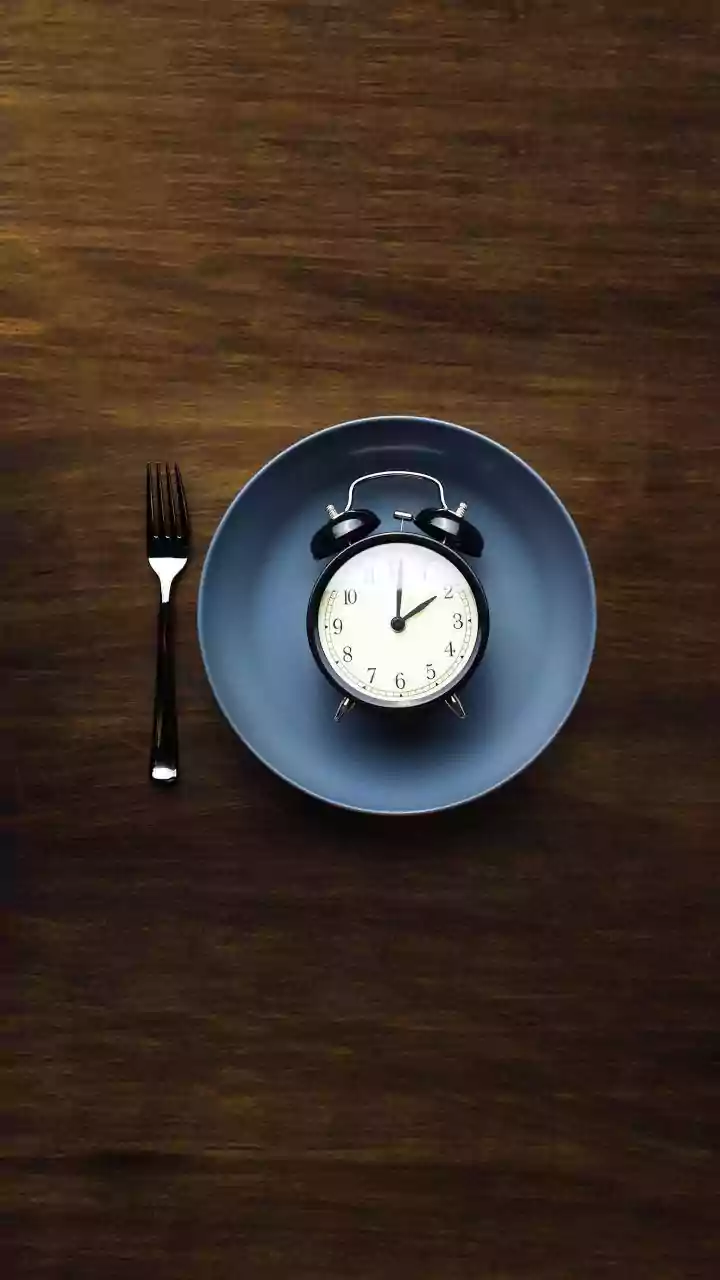
The Two-Hour Rule: Your First Line of Defence
The most critical guideline for food safety is the 'two-hour rule'. Cooked food should not be left at room temperature for more than two hours. During the particularly hot and humid days of the monsoon, this window shrinks to just one hour. This applies to most home-cooked meals, including dal, curries, rice, and vegetable preparations. Leaving food out for longer allows bacteria to enter the 'danger zone'—the temperature range where they grow exponentially, increasing the risk of foodborne illness. Relying on a smell test is not a safe practice, as many harmful bacteria don't produce a noticeable odour.
Cool Quickly, Refrigerate Promptly
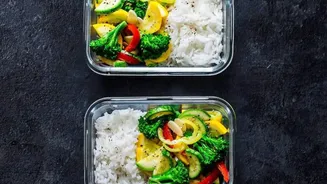
Once your meal is cooked, the goal is to get leftovers into the fridge as soon as possible. However, putting a steaming hot dish directly into the refrigerator can raise its internal temperature, putting other stored items at risk. The best practice is to cool the food down quickly. You can do this by dividing large portions into smaller, shallow containers, which allows heat to dissipate faster. Once the food is no longer piping hot, transfer it to an airtight container and place it in the fridge. Do not wait for it to reach room temperature on the counter, as that extends its time in the danger zone.
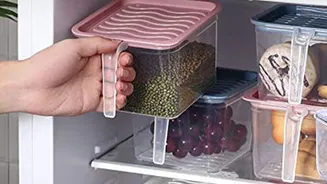
Smart Storage with Airtight Containers
Airtight containers are your best friends during the monsoon. They serve a dual purpose: they lock out excess environmental moisture that encourages mould and spoilage, and they prevent the odours of different foods from mixing inside your refrigerator. Glass or stainless steel containers are often recommended as they are non-porous and do not leach chemicals. For dry snacks like biscuits or namkeen that can lose their crispness, airtight jars are essential to maintain texture and prevent them from becoming soggy and unpalatable.
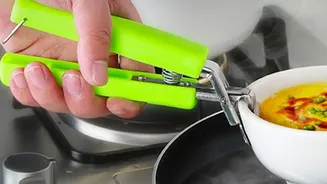
The Correct Way to Reheat Leftovers
Proper reheating is about more than just warming up your food; it's a crucial safety step to kill any bacteria that may have developed during storage. Reheating does not reverse spoilage that has already occurred, which is why starting with safely stored food is so important. Whether you use a stove or a microwave, ensure the food is heated until it is steaming hot throughout, reaching an internal temperature of at least 75°C. Stir the food midway through to ensure even heating. Ideally, food should only be reheated once, as repeated cooling and heating cycles can degrade its quality and increase health risks.
When in Doubt, Throw It Out
While it's important to minimise food waste, your health and safety come first. If you're unsure how long a food item has been sitting out, or if it shows any signs of spoilage like an off-smell, unusual texture, or visible mould, it is always safest to discard it. This is especially true for high-risk foods like cooked rice, meat, and dairy products. During the monsoon, when digestive systems can be more sensitive, taking a chance on questionable leftovers is not worth the risk of stomach infections or food poisoning.