
The Ultimate Kitchen Staple
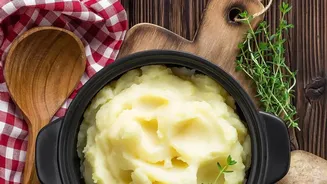
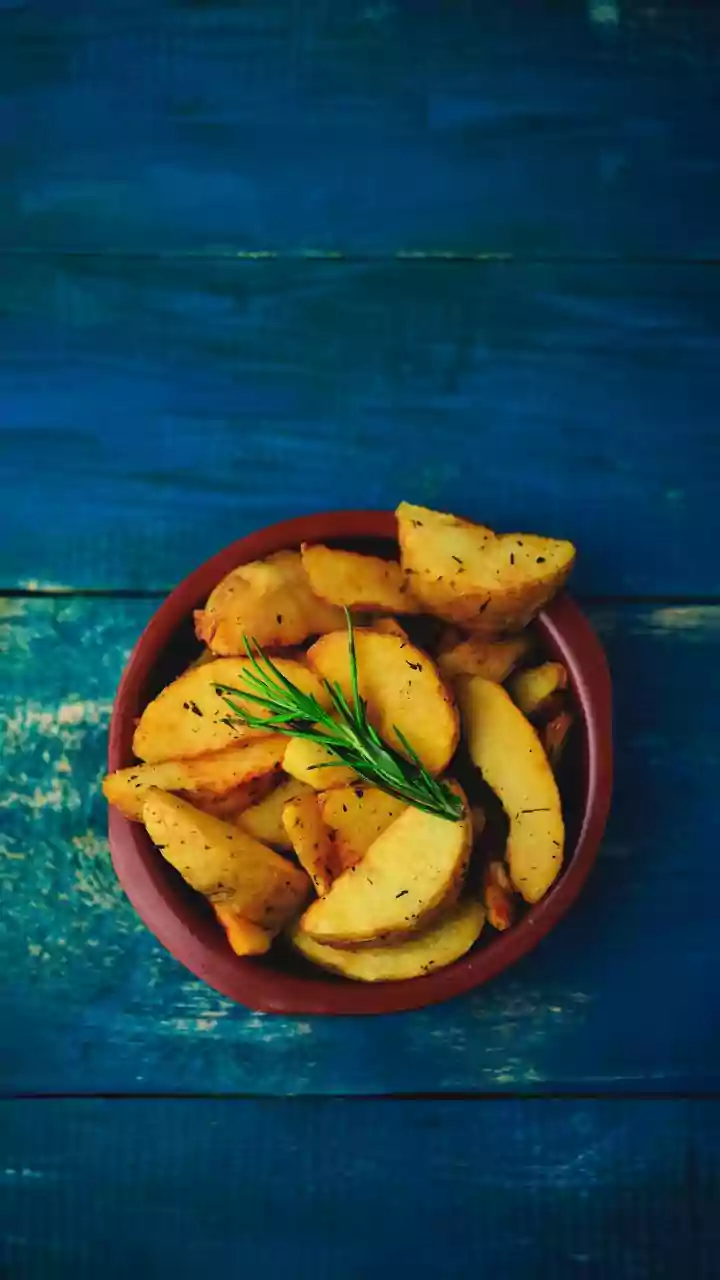
Few ingredients are as universally loved or as adaptable as the potato. This versatile vegetable can be boiled, fried, baked, mashed, or roasted, fitting into almost any culinary context imaginable. Its ability to absorb flavours like a sponge makes it a perfect
partner for a vast array of spices and herbs, allowing it to shine in countless dishes. The secret to its versatility lies in its texture and starch content. Different potatoes are suited for different cooking methods; starchy varieties like Russets become fluffy when cooked, ideal for baking and mashing, while waxy types hold their shape well, making them perfect for salads and gratins. This adaptability is why you'll find it on menus from morning to night.
A Perfect Start to the Day
In many parts of India, the day begins with potatoes. Aloo Paratha, a popular breakfast dish originating from the Punjab region, is a prime example. This unleavened whole-wheat flatbread is stuffed with a flavourful mixture of mashed potatoes, green chillies, coriander, and various spices, then cooked on a hot griddle with ghee or butter. Often served with a dollop of butter, a side of tangy pickle, or cool yogurt, it is a filling and comforting meal that provides energy for the day ahead. Its popularity has spread far beyond its origins, becoming a breakfast favourite across the subcontinent and beyond.
The Reigning King of Snacks
When it comes to snacking, the potato is truly in a league of its own. Consider the samosa, a globally recognized triangular snack. While many associate it with India, its origins trace back to Central Asia, arriving on the subcontinent with travelling chefs and merchants centuries ago. It was the introduction of the potato in the 16th century that transformed the snack into its most popular modern form: a crispy pastry filled with spiced potatoes and peas. Another iconic street food is the Vada Pav from Mumbai. Often called the 'Bombay Burger', it consists of a spiced, deep-fried potato dumpling (vada) tucked inside a soft bread roll (pav), and was reportedly invented in 1966 to provide an affordable meal for the city's mill workers. From these Indian classics to the universal appeal of French fries, the potato is the undisputed king of crispy, satisfying snacks.
The Heart of a Filling Meal
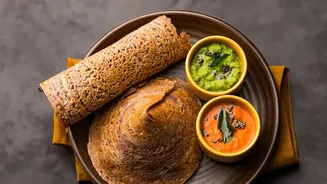
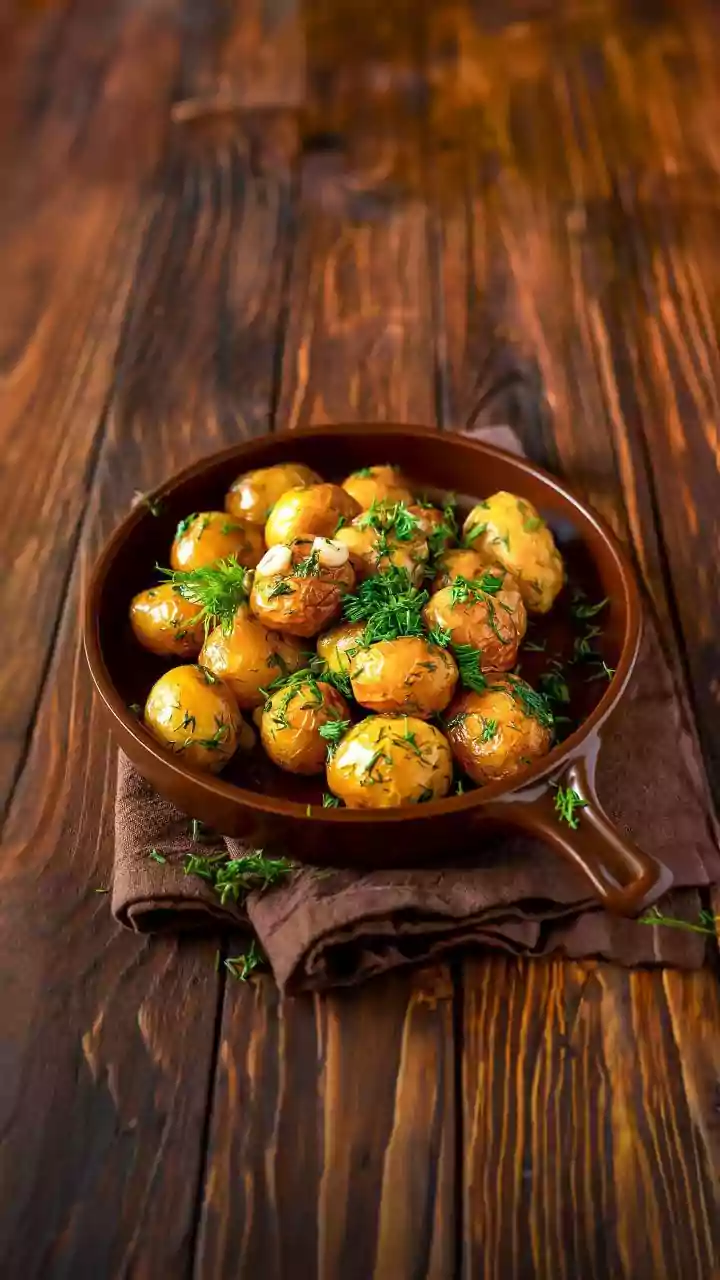
For lunch or dinner, the potato transforms into the substantial heart of a main course. Dum Aloo is a celebrated dish with origins in Kashmir, where 'dum' refers to the slow-cooking method used to prepare it. Traditionally, baby potatoes are deep-fried and then simmered gently in a rich, spiced gravy. While the classic Kashmiri Pandit version uses a yogurt-based sauce without onions or garlic, regional variations abound, such as the tomato-and-onion-based Punjabi style. In South India, Potato Sagu is a popular, mildly spiced curry from Karnataka, where mashed potatoes are simmered in a light coconut or gram flour gravy, often served with dosas or puris. These dishes showcase how the potato can anchor a meal, providing a satisfying and flavourful base.
A Global Culinary Canvas
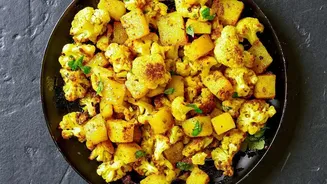
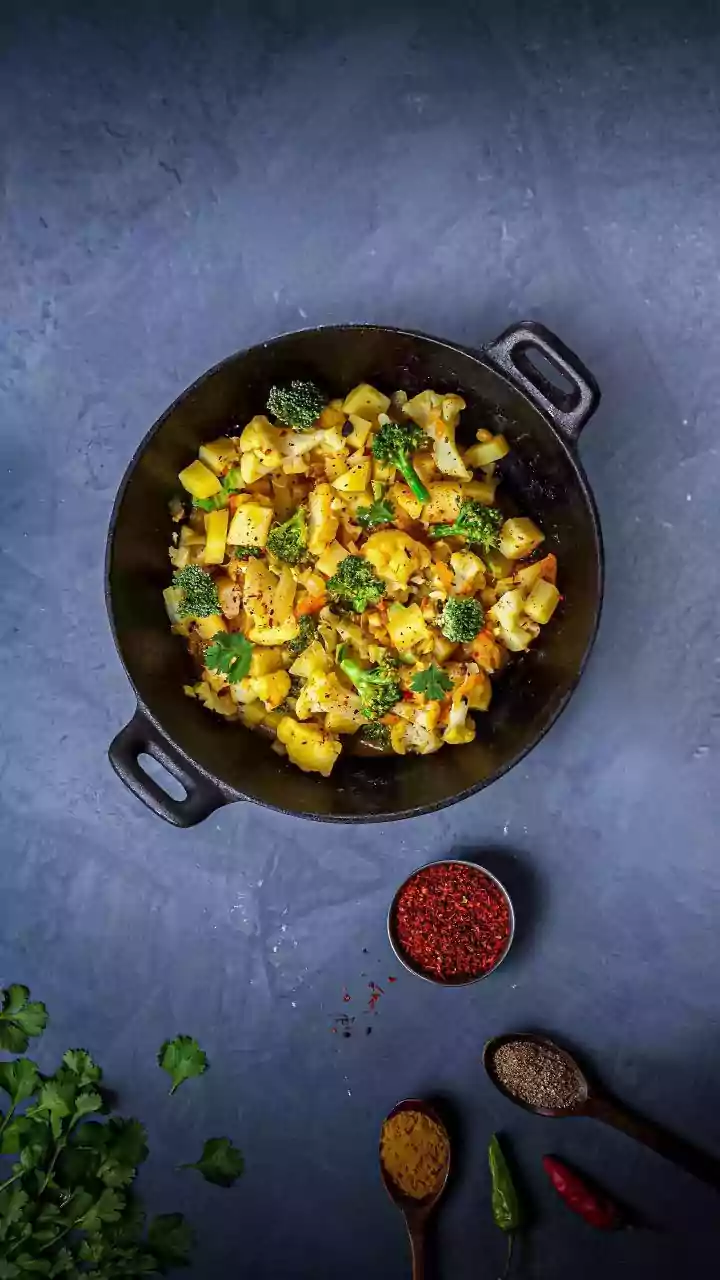
The potato's journey is a story of global adaptation. Originating in the Andes, it travelled across oceans and continents, embedding itself into local food cultures. Each cuisine has adopted the potato and made it its own. In North India, it finds its way into bold curries like Aloo Gobi and is stuffed into breads like Amritsari Aloo Kulcha. In the south, it's used in subtler preparations like Masala Aloo, a roasted dish tempered with mustard seeds and lentils. Beyond India, it's the foundation for dishes like Shepherd's Pie in the UK, Gnocchi in Italy, and Potato Latkes in Jewish cuisine. Its ability to be both a simple comfort food and a component in elegant dishes speaks to its incredible range.