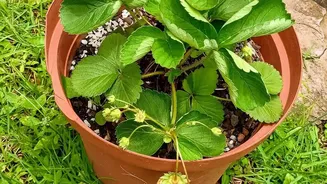


The Double Trouble of Heat and Humidity
August is a tricky month for plants. While the monsoon brings welcome rain, it also brings relentless humidity. This is a problem because high atmospheric moisture slows down evaporation from the soil. When heavy downpours are added to the mix, pots can
quickly become waterlogged. Roots need oxygen to survive, but when soil is saturated, air pockets disappear, effectively drowning the plant. This combination of heat and excessive water creates a perfect storm for fungal diseases and the dreaded root rot, which can be fatal if not addressed quickly.
How to Spot a Drainage Problem
A plant suffering from poor drainage will send out several distress signals. The most common sign is yellowing leaves, especially older ones at the base of the plant. Paradoxically, the plant might also look wilted or droopy, even when the soil is wet to the touch; this is because the rotting roots can no longer absorb water effectively. Other red flags include stunted or slow growth, premature leaf drop, and a musty or sour smell coming from the soil. If you notice any of these symptoms, it's time to investigate your pot's drainage system immediately.
It Starts with the Right Pot and Soil
Your first line of defense is the container itself. Ensure every pot has at least one, and preferably multiple, drainage holes at the bottom. These can get clogged over time, so it's a good habit to periodically check them. Equally important is the potting medium. Heavy garden soil compacts easily and retains too much water for containers. For a balcony garden, a well-aerated potting mix is crucial. You can create one by combining soil with equal parts compost and materials like cocopeat or sand, which improve the structure and allow excess water to drain away freely. Perlite or vermiculite are also excellent additives for creating lighter, airier soil.
Simple Adjustments for Better Flow
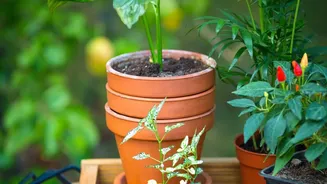
A few simple adjustments can make a world of difference. First, remove the saucers or trays from underneath your pots during the monsoon. While they protect your floors, they trap water and can leave your plant's roots sitting in a puddle, blocking the drainage holes. If you're worried about staining, elevate your pots using 'pot feet,' bricks, or a simple stand. This small gap allows air to circulate and water to escape freely. Also, be mindful not to overwater. The classic 'finger test' is your best guide: insert your finger two inches into the soil. If it feels damp, wait another day before watering.
Rethinking Your Watering Routine
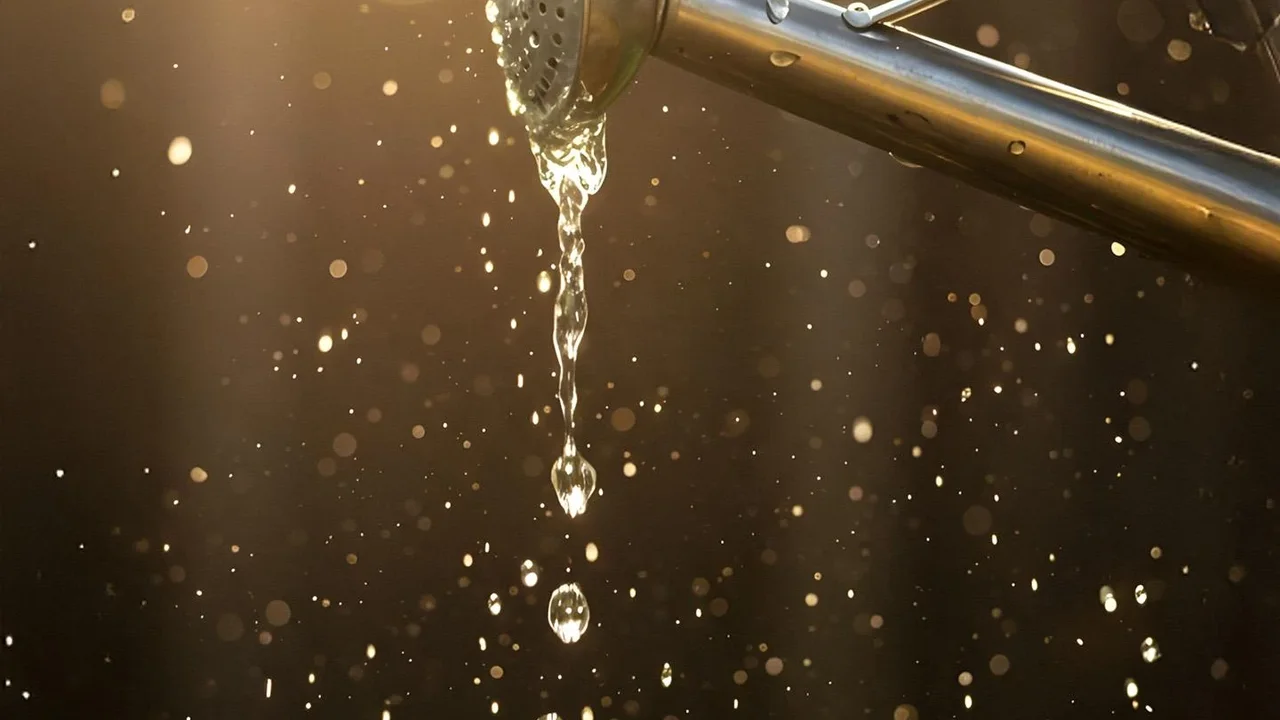
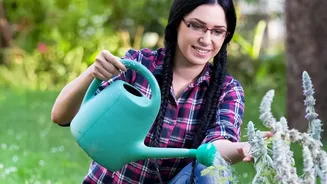
In the humid August weather, your watering schedule needs to adapt. The assumption that rain takes care of watering is a common mistake; plants on a covered balcony may stay surprisingly dry. Conversely, watering every day out of habit can be disastrous. The goal is to water deeply but less frequently. When you do water, do it early in the morning so the plant has time to absorb what it needs before the afternoon heat. Aim the water at the soil, not the leaves, as wet foliage in humid conditions can encourage fungal growth. Let the top layer of soil dry out between waterings to ensure the roots get the oxygen they need.