


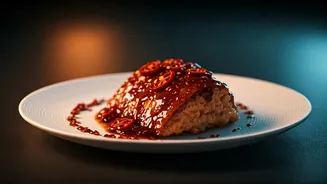


What Exactly Is ‘Swicy’?
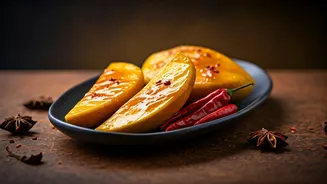
At its core, ‘swicy’ is a portmanteau of 'sweet' and 'spicy.' It’s a flavour profile built on the dynamic contrast between sugary, comforting notes and the exciting intensity of heat. While combinations like sweet chilli sauce have been around for ages,
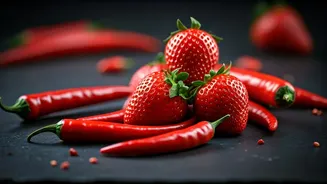
the trend has recently exploded into the mainstream, driven by social media and an adventurous new generation of food lovers. This isn’t just about adding sugar to a spicy dish; it’s about creating a complex, layered experience where sweetness mellows the spice, and spice prevents the sweetness from becoming overwhelming. The science behind it is compelling: the capsaicin in chillies triggers a mild pain response, prompting our brains to release pleasure-inducing endorphins, while sugar soothes the palate and adds to the satisfying, almost addictive, sensation.
A Global Craze with Local Roots
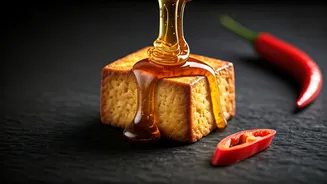
The ‘swicy’ concept is far from new, with deep roots in many global cuisines. Thai, Korean, and Mexican cooking have long mastered the art of balancing these two elements, from Thai sweet chilli sauce and Korean gochujang to Mexican mole sauces that pair chocolate with peppers. In India, the combination is a cultural mainstay, found in the tamarind chutney served with samosas or the jaggery that offsets chilli in regional curries. What's different now is the global recognition and branding of 'swicy' as a distinct trend. Propelled by viral dishes like 'hot honey' drizzled on pizza in the US, the flavour is now a worldwide phenomenon, appearing in everything from snacks and main courses to cocktails.
Why Tofu Is the Perfect Canvas
Once seen as a bland cousin to paneer, tofu is now a celebrated ingredient in many Indian kitchens, thanks to the rising popularity of Asian cuisine and its numerous health benefits. Tofu, or bean curd, originated in China around 2,000 years ago and is prized for its high protein content, containing all nine essential amino acids. Its neutral taste and porous texture make it an ideal vehicle for bold flavours, as it absorbs sauces and marinades beautifully. This quality makes it the perfect star for a ‘swicy’ dish. Unlike other proteins, it doesn't compete with the sauce; it becomes one with it, ensuring every bite is packed with the intended honey-chilli punch. Its growing acceptance as a healthy, versatile alternative to paneer has paved the way for it to shine in modern Indian and fusion recipes.
Deconstructing the Perfect Honey-Chilli Tofu
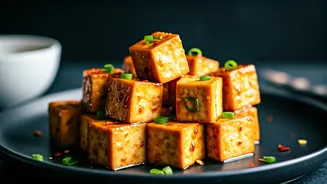
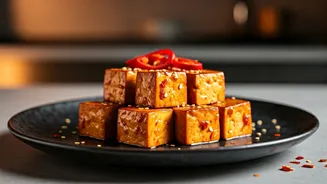
The magic of honey-chilli tofu lies in its symphony of textures and flavours. It starts with the tofu itself, which needs to be shatteringly crisp on the outside while remaining soft inside. This is typically achieved with a light coating of cornstarch before frying. The heart of the dish is the sauce—a glossy, sticky glaze that clings to every piece of tofu. Key ingredients include honey for sweetness, soy sauce for a savoury, umami depth, vinegar for a touch of acidity, and, of course, chilli flakes or a chilli-garlic paste for that essential kick of heat. Minced garlic and ginger are often added to the sauce to build another layer of aromatic flavour. Finally, a garnish of toasted sesame seeds and freshly chopped spring onions adds a nutty aroma and a final, fresh crunch.
Tips for Achieving Ultimate Crispy Tofu
The secret to restaurant-quality honey-chilli tofu at home is getting the texture of the tofu just right. First, and most importantly, press your tofu. Use firm or extra-firm tofu and wrap the block in a napkin or paper towels, placing something heavy on top for at least 20-30 minutes to remove as much water as possible. This step is crucial for achieving a crispy exterior. Once pressed, cut the tofu into cubes and toss them in a mixture of cornstarch, salt, and pepper until lightly coated. For cooking, you can pan-fry the cubes in a shallow layer of oil over medium-high heat until all sides are golden brown and crisp. Alternatively, for a lower-oil version, a conventional oven or an air fryer can also yield excellent, crispy results. The key is not to overcrowd the pan or basket, allowing the hot air to circulate and crisp up each piece evenly.