







What Exactly Is the 'No PUC, No Fuel' Rule?
Effective October 1, 2026, fuel stations across Delhi and the National Capital Region (NCR) are mandated to deny fuel to any vehicle that does not have a valid Pollution Under Control (PUC) certificate. This applies to all fuel types, including petrol,
diesel, and CNG. The measure, part of Delhi's Winter Action Plan, aims to curb vehicular emissions, a major contributor to the region's severe winter smog. The rule is being enforced at approximately 500 petrol pumps in Delhi, with plans for over 1,000 pumps across the greater NCR, many of which are now equipped with technology to automatically verify a vehicle's PUC status.
How Is the Rule Being Enforced?
The enforcement relies heavily on technology. Many participating fuel stations are equipped with Automatic Number Plate Recognition (ANPR) cameras. When a vehicle approaches, these cameras scan the license plate and cross-reference it in real-time with the central VAHAN database to check for a valid PUC certificate. If the certificate is expired or missing, the fuel dispensing system can be automatically restricted, preventing the sale. At pumps without this automated system, staff are directed to manually verify the PUC certificate before providing fuel. This applies to all vehicles, including two-wheelers.
Your Guide to Getting a PUC Certificate
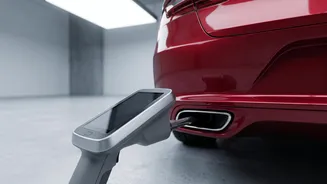
A PUC certificate is proof that your vehicle's emissions are within the prescribed limits. For a new car, the first certificate is valid for one year. Afterwards, it must be renewed periodically. To get one, you must take your vehicle to an authorised emission testing centre, many of which are located at petrol pumps and service stations. The process is quick, usually taking less than ten minutes. A probe is inserted into the exhaust pipe to measure pollutants. If your vehicle passes, a certificate is issued on the spot. The cost is nominal, typically around ₹60-₹80 for two-wheelers and petrol cars, and ₹100 for diesel vehicles, though rates can vary. You can then download a digital copy from the Parivahan portal.
What Are the Penalties for Non-Compliance?
The most immediate consequence of not having a valid PUC is being denied fuel, which can leave you stranded. However, the financial penalties are also significant. Under Section 190(2) of the Motor Vehicles Act, driving without a valid PUC certificate can result in a fine of up to ₹10,000, and potentially even imprisonment or suspension of your driver's license for repeated offenses. These fines can be issued by traffic police during routine checks or automatically generated if your vehicle is flagged by the ANPR system.
Who Is Affected and Are There Exemptions?
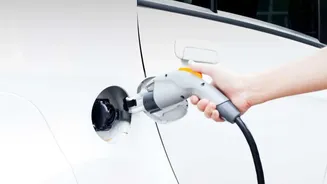
This rule applies to all private and commercial vehicles running on petrol, diesel, or CNG in Delhi and designated NCR districts. The only vehicles exempt from this rule are electric vehicles (EVs), as they have no tailpipe emissions. The rule is also more stringent for older vehicles; in Delhi, PUC certificates cannot be issued for petrol vehicles over 15 years old and diesel vehicles over 10 years old, effectively keeping them off the road. While the rule is strict, the Commission for Air Quality Management (CAQM) has noted that exceptions may be made in special circumstances like medical emergencies or for vehicles engaged in disaster response.