





The Monsoon Skin Dilemma
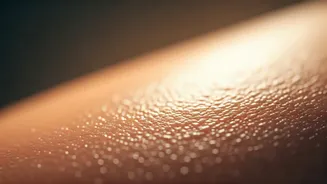
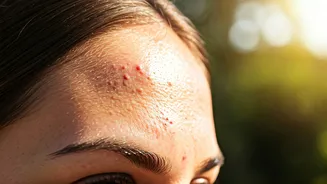
The arrival of the monsoon is a welcome change, but the increased humidity in the air can throw your skin's balance out of whack. High humidity can make your skin produce more oil, or sebum, leading to that familiar sticky and greasy feeling. This excess
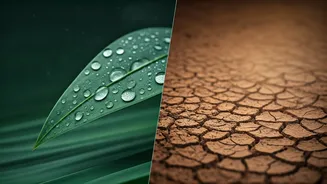
oil, combined with sweat and environmental pollutants, can clog your pores, creating the perfect environment for acne breakouts and blackheads. Paradoxically, even though the air is moist, your skin can become dehydrated. Some people, in an attempt to combat oiliness, may over-cleanse their skin, stripping it of its natural moisture barrier and worsening the problem. This disruption leaves your skin vulnerable to irritation and even fungal infections, which thrive in damp conditions.
Why Heavy Creams Fail in High Humidity
Instinctively reaching for the same rich, thick cream you used in the dry winter months is a common mistake during the monsoon. Heavy, oil-based moisturisers often contain occlusive ingredients designed to create a physical barrier to prevent water loss in dry air. However, in a humid climate, this thick layer can feel suffocating. It can trap sweat and excess oil against your skin, exacerbating clogged pores and leading to breakouts. Instead of absorbing nicely, these heavy formulas can sit on the skin's surface, mixing with sweat and makeup to create an uncomfortable, greasy film.
Enter the Hero: The Lightweight Moisturiser
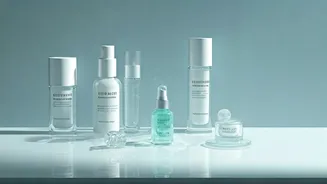
This is precisely why light moisturisers are hailed as heroes for the season. The key is to provide hydration without adding weight or oil. Unlike their heavier counterparts, lightweight moisturisers are typically water-based or gel-based. These formulas are designed to absorb quickly into the skin without leaving a greasy residue. They deliver essential hydration to keep your skin's moisture barrier healthy, which is crucial for preventing irritation and controlling your skin's own oil production. A well-hydrated skin barrier is less likely to overproduce sebum in an attempt to compensate for dehydration.
Key Ingredients to Look For
When choosing a light moisturiser for the monsoon, reading the ingredient list is key. Look for products that are labelled 'non-comedogenic', meaning they won't clog pores. Some of the most effective ingredients for humid weather include: Hyaluronic Acid: This powerhouse humectant can hold up to 1,000 times its weight in water, providing intense hydration without any heaviness. It pulls moisture into the skin, leaving it plump and hydrated. Glycerin: Another effective humectant, glycerin draws moisture into the skin's outer layer, keeping it soft and supple. Niacinamide: A versatile ingredient, niacinamide is perfect for monsoon skin. It helps regulate oil production, reduces the appearance of pores, and strengthens the skin's barrier. Ceramides: These are lipids that are naturally found in skin and are crucial for a healthy skin barrier. Lightweight formulas with ceramides can help reinforce your skin's defenses without feeling heavy. * Gel and Water-Based Formulas: Opt for textures described as 'gel', 'water cream', or 'lotion' rather than 'cream' or 'balm'.
Making Your Moisturiser Work for You
To get the most out of your monsoon moisturiser, application matters. Always cleanse your face thoroughly but gently before applying any products. A common tip from dermatologists is to apply your moisturiser to slightly damp skin. This helps to lock in an extra layer of hydration. You only need a small, pea-sized amount for your face and neck. Don't forget that even with cloudy skies, harmful UV rays can penetrate and damage your skin. The final and most crucial step in your morning routine should always be a broad-spectrum sunscreen with at least SPF 30. Look for a lightweight, non-greasy or gel-based sunscreen that won’t feel heavy on top of your moisturiser.