

The 30-Second Renaissance
Scroll through Instagram Reels or YouTube Shorts, and you’ll find it: a centuries-old thumri backing a makeup tutorial, the intricate footwork of Kathak set to a lo-fi beat, or a Punjabi folk song like "Bajre Da Sitta" becoming a viral soundtrack. Short-form
video has become an unlikely sanctuary for classical and folk arts. These platforms strip away the formal, often intimidating, context of traditional performance. Instead of a three-hour concert, a young person might first hear a captivating raga in a 30-second clip. This digital exposure, according to Spotify data, has led to a nearly 500% increase in Indian classical music consumption, with listeners under 25 driving much of that growth. It’s a renaissance fueled not by long-form immersion, but by the instant appeal of a powerful melody or a graceful movement, making the art form accessible and intriguing.
From Screen to Stage
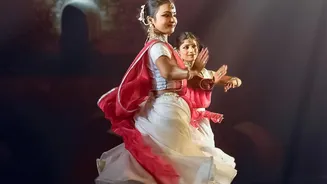
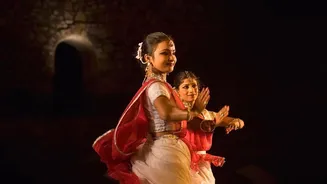
This digital curiosity is translating into real-world engagement, particularly on concert stages that look and feel very different from those of the past. A new generation of artists is pioneering a fusion sound that respects tradition while embracing modernity. Musicians like Mahesh Raghvan have gone viral by fusing Carnatic melodies with electronic music on his iPad, while Anoushka Shankar continues to blend the sitar with genres from electronica to flamenco. Bands such as Delhi-based Advaita mix sarangi and tabla with post-rock textures, and artists like Karsh Kale have built global careers by merging Indian classical sounds with electronic beats. This isn't just happening in music. Contemporary choreographers are incorporating Bharatanatyam's geometric patterns and Kathak's rapid spins into modern dance, telling new stories with an ancient vocabulary.
The Search for Authentic Roots
So, why is this happening now? For many young Indians, this trend is a way of reconnecting with their heritage in a world of globalised pop culture. In an era of anxiety and digital noise, the depth and soul of ghazals, bhajans, and classical compositions offer a sense of grounding and authenticity. Many Gen Z listeners are discovering the music that played in the background of their childhood homes, finding new meaning in the melodies of their parents' and grandparents' generations. This is more than just nostalgia; it's an active search for identity. Artists and organisers note that this revival is often an emotional one, filling a need for connection and meaning that can't be met by surface-level entertainment. It represents a quiet confidence in one's own culture, reinterpreted for a contemporary lifestyle.
Innovation, Not Dilution
A key aspect of this modern revival is the spirit of innovation. The artists leading the charge are not simply creating watered-down remixes; they are often deeply trained musicians who understand the complex rules of the tradition they are adapting. Tabla virtuoso Ishaan Ghosh, for instance, comes from a long lineage of classical musicians and is intentionally working to make the form more accessible without losing its essence. Similarly, electronic artists like Kanishk Seth collaborate with his mother, a classical singer, to reinterpret traditional thumris like "Rangi Saari" for a new audience. The goal isn't to replace the original but to build a bridge to it. These fusions—whether it's Carnatic music with jazz, or folk poetry with ambient soundscapes—are creating new entry points for listeners, sparking a curiosity that often leads them back to the original forms.