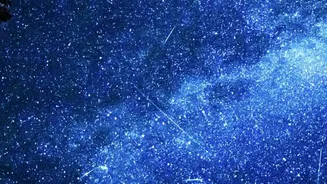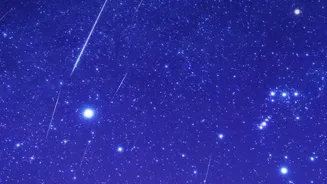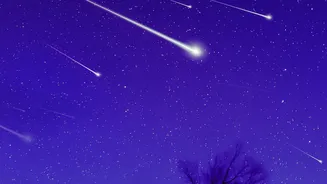

What Are the Orionids?
The Orionid meteor shower is one of two annual showers created by the debris left behind by Halley's Comet, arguably the most famous comet in history. Each October, Earth passes through the trail of dust and ice particles shed by the comet on its 76-year
journey around the sun. When these tiny fragments, many no larger than a grain of sand, hit our atmosphere at tremendous speeds—about 66 kilometres per second—they burn up, creating the brilliant streaks of light we call meteors or 'shooting stars'. The Orionids are known for being particularly fast and bright, and they can sometimes leave behind glowing trails that linger for a few seconds.
Peak Viewing Times for 2026
The Orionid meteor shower is active from early October to early November. However, the best time to watch will be during its peak, which in 2026 falls on the night of October 21-22, and possibly extending to the morning of October 23. This year, viewing comes with a slight challenge: a bright waxing gibbous moon will light up the sky for the first part of the night. But there's a silver lining. The moon is expected to set around 3 a.m. local time, creating a prime viewing window of dark skies from moonset until dawn begins to break. For the best experience, plan to be outdoors during these pre-dawn hours.
Finding a Spot Near the City
You don't need to travel for hours to find a suitable viewing location. The key is to escape the worst of the city's light pollution. Driving just 30-45 minutes away from the city centre can dramatically increase the number of meteors you'll see. Look for a park, a large field, or a quiet rural road on the outskirts of town. Your ideal spot should have a wide, unobstructed view of the sky, away from the direct glare of streetlights and buildings. Check a light pollution map online to find 'grey' or 'green' zones near your city, which indicate darker skies perfect for stargazing.
No Telescope Required: Your Viewing Toolkit
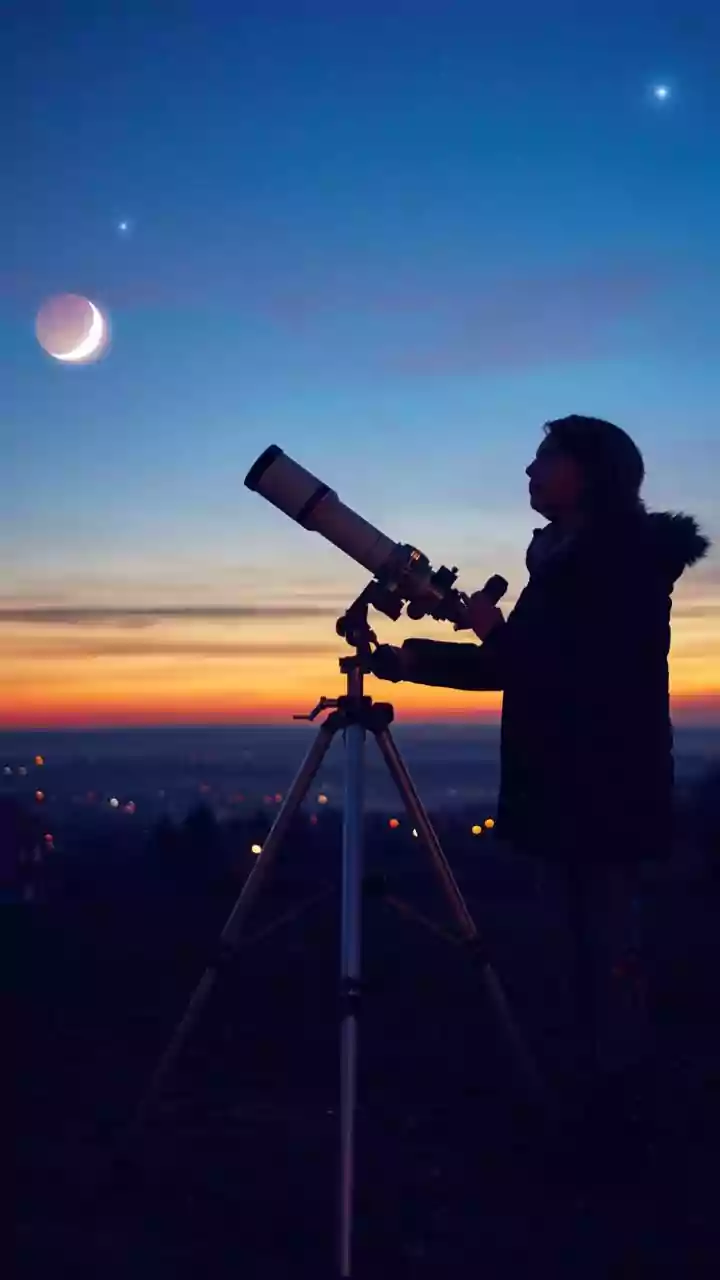
The headline is right: you do not need a telescope or even binoculars to watch a meteor shower. In fact, they are not recommended. Telescopes have a very narrow field of view, and since meteors can appear anywhere in the sky, your own eyes are the best tool for the job. Your essential toolkit is simple: a reclining lawn chair or a thick blanket to lie on. This prevents neck strain and allows you to take in as much of the sky as possible. Dress in warm layers, as you'll be sitting still in the cool night air. A thermos of a warm drink and some snacks are also great additions to make the experience more comfortable.
How to Watch: A Simple Guide
Once you're at your spot, give your eyes at least 20 to 30 minutes to fully adapt to the darkness. This is crucial for spotting the fainter meteors. Avoid looking at your phone, as its bright screen will ruin your night vision. If you need light, use a red torch. The meteors will appear to radiate from the constellation Orion, which is how they get their name. You can use a stargazing app to locate Orion, but you don't need to stare directly at it. In fact, you'll see longer and more dramatic streaks by looking about 45 degrees away from the radiant point. Lie back, relax, and be patient. Meteors often come in spurts, so there may be lulls followed by several streaks in just a few minutes.