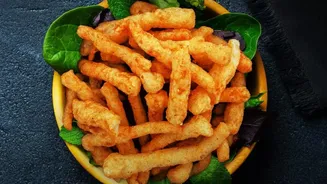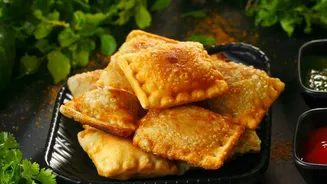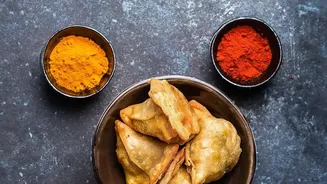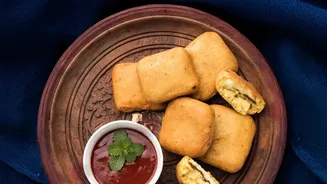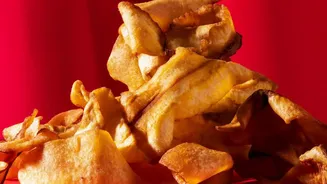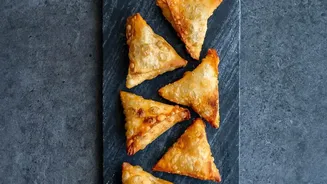

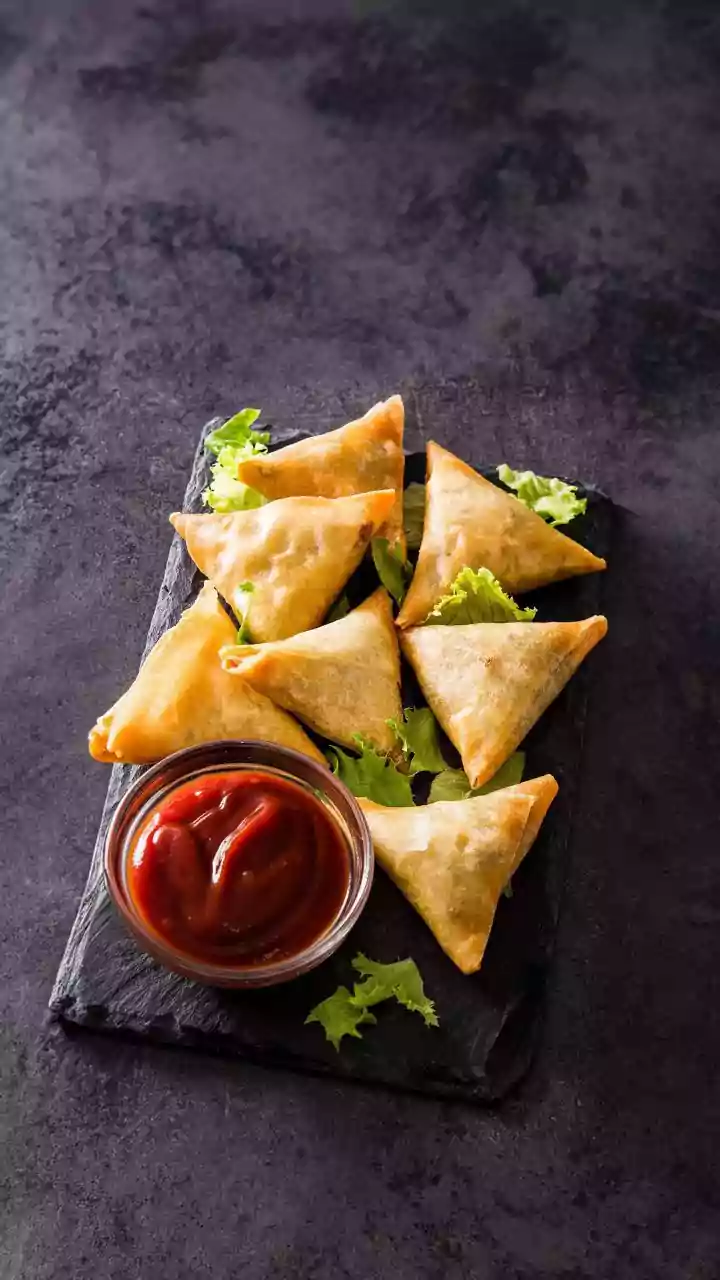
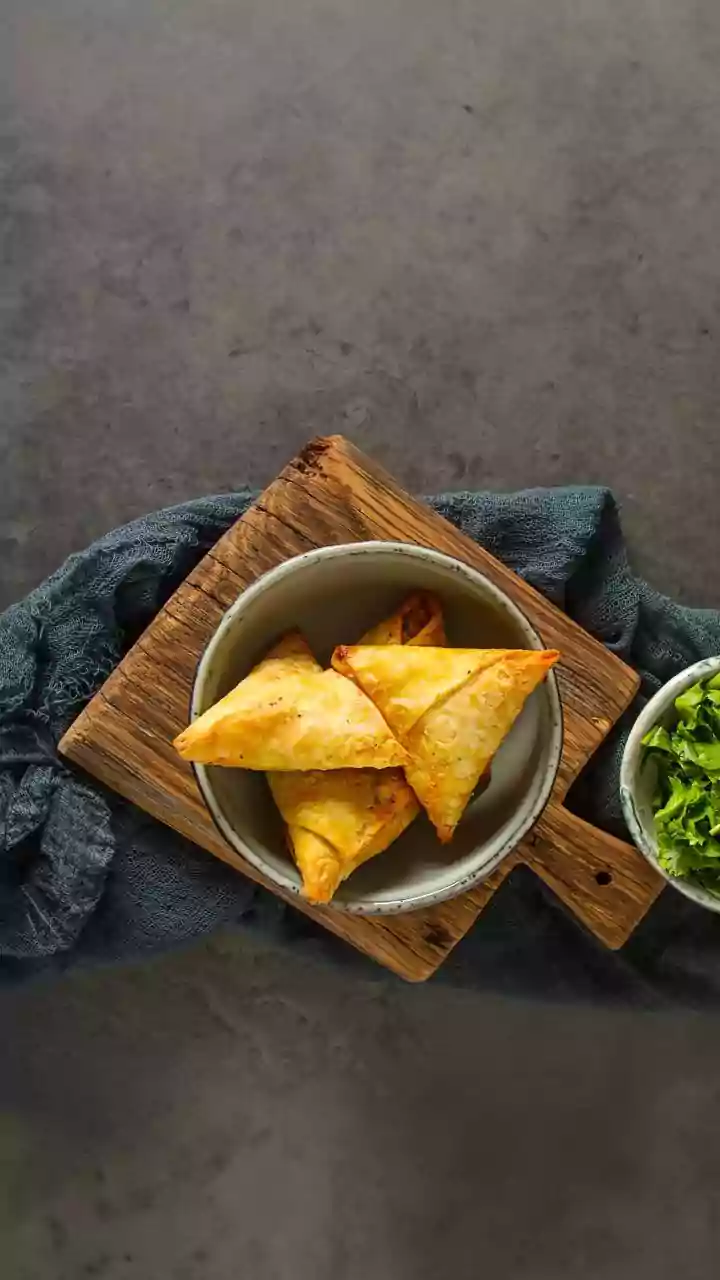

The 80% Less Oil Promise
The headline claim of slashing 80% of oil is not just a marketing gimmick; it's a realistic outcome of switching from deep-frying to air-frying. Traditional deep-frying involves completely submerging the samosa in hot oil, a significant portion of which
is absorbed into the dough. An air fryer, on the other hand, requires only a light brush or spray of oil—often just one or two teaspoons—to achieve a crispy exterior. The appliance works by circulating superheated air around the food, cooking it and creating a fried-like texture without the need for an oil bath. This drastic reduction in oil means significantly fewer calories and less fat, making it a much healthier way to cook.
How Air Frying Achieves the Crunch
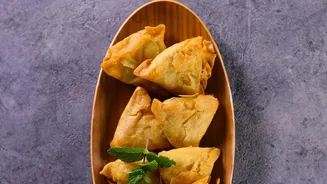
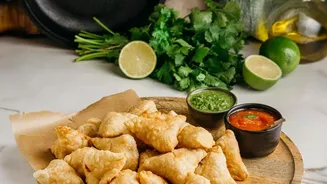
An air fryer is essentially a compact, high-powered convection oven. It uses a heating element and a powerful fan to circulate hot air at high speed. This rapid air circulation technology cooks the food from all angles, quickly crisping up the exterior while keeping the inside tender and moist. For a samosa, this means the pastry cooks and becomes golden and crunchy, while the spiced potato filling inside gets perfectly heated. It mimics the browning and crisping effect of deep-frying, known as the Maillard reaction, but achieves it with hot air instead of hot oil. This makes it not only healthier but also less messy, with no large vat of oil to handle or dispose of.
Tips for the Perfect Air-Fried Samosa
To get the best results, a few simple tips can make all the difference. First, don't overcrowd the basket; leave space between samosas for the hot air to circulate freely, ensuring they cook evenly. Preheat your air fryer for a few minutes before putting the samosas in. While you're using far less oil, don't skip it entirely. A light brush of oil or a quick spray on the pastry is crucial for achieving that golden-brown colour and satisfactory crunch. Finally, flipping the samosas halfway through the cooking time ensures that both sides get equally crisp. A typical setting is 12-15 minutes at around 180-200°C.
Managing Taste and Texture Expectations
While air-fried samosas are delicious and a fantastic healthy alternative, it's important to know they won't be identical to their deep-fried cousins. The taste of the filling will be just as flavourful, perhaps even more so, as there's less oil to mask the spices. However, the texture of the crust is different. Deep-fried samosa pastry is often flaky and bubbly from the oil, whereas an air-fried crust is crisp and firm, sometimes described as having a texture closer to a biscuit or a baked product. It is a lighter, less greasy experience, which many people come to prefer, but it is a different kind of crispness.
Beyond Samosas: Other Air-Fryer Swaps
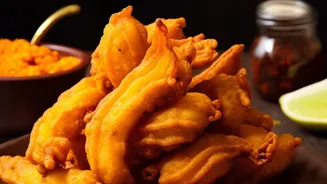
The magic of the air fryer isn't limited to just samosas. This appliance is incredibly versatile and well-suited for a wide range of Indian snacks that are traditionally deep-fried. You can make crispy pakoras, aloo tikkis, paneer tikka, and even vadas with a tiny fraction of the oil. This allows you to bring healthier versions of beloved, indulgent snacks into your regular routine, not just for special occasions. It’s a simple kitchen swap that empowers you to enjoy the foods you love in a more health-conscious way, reducing calorie intake and making snacks easier to digest.