






A Tale of Two Forecasts
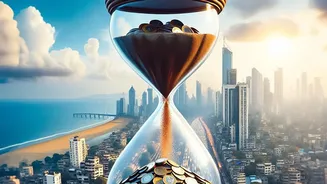
The conversation around India’s healthcare costs involves two powerful, seemingly contradictory forces. On one hand, medical inflation is running high, estimated between 10% and 14% annually, far outpacing general inflation. This means a surgery costing
₹4 lakh today could cost nearly ₹8 lakh in just five years, making quality care feel increasingly out of reach for many families. On the other hand, Dr. Devi Shetty has repeatedly stated a counter-intuitive vision: that over the next five to seven years, India will become the first country to dissociate healthcare from affluence. He argues that a combination of factors, including new insurance models and technological efficiency, can make this a reality, ensuring a person's wealth no longer dictates the quality of care they receive.
The Engine of Rising Costs
Understanding Dr. Shetty's optimism requires first acknowledging why costs are spiralling. The primary drivers of medical inflation are multifaceted. The adoption of advanced medical technology, from robotic surgery to high-end diagnostics, comes with a hefty price tag. There is also a persistent shortage of healthcare professionals and facilities, and as demand for quality care grows, prices naturally rise to meet it. Furthermore, the increasing prevalence of chronic, lifestyle-related diseases like diabetes and heart conditions requires long-term, expensive management. These structural issues are not temporary; they create a constant upward pressure on everything from hospital room rates to the cost of medicines and specialist fees.
The Insurance Revolution
For Dr. Shetty, the key to bridging the affordability gap is not government-funded universal healthcare, which he deems an 'illusion' for a country of India's size, but rather 'universal health insurance'. He identifies a fundamental trust deficit between hospitals, patients, and insurance companies as a major roadblock. His solution is innovative: have hospitals become insurance providers themselves. When the provider is also the insurer, Dr. Shetty argues, the incentive to inflate costs disappears. Instead, the focus shifts to affordability and preventive care to keep patients healthy. Narayana Health has already launched its own insurance product aimed at the 'missing middle class'—those who earn too much for government schemes but not enough to afford high private insurance premiums.
Technology: The Great Disruptor
While new technology is a cost driver, Dr. Shetty also believes it holds the key to bending the cost curve downwards. He has optimistically predicted that technologies like artificial intelligence (AI) and robotics could slash healthcare costs by 40-50% over the next five to seven years. The logic is that AI can serve as a powerful tool to boost productivity and safety, preventing medical errors and optimising workflows. By improving efficiency—for instance, using infrastructure and equipment for more hours in a day—hospitals can perform more procedures at a lower unit cost. This approach, treating healthcare with the efficiency of a high-volume manufacturing process, is a cornerstone of the Narayana Health model, which has famously reduced the cost of cardiac surgery to a fraction of global prices.
The Role of Government and Public Health
Dr. Shetty’s vision complements, rather than replaces, government efforts. He has been a vocal supporter of the Ayushman Bharat scheme, calling it a 'game changer' that gives hope and access to a massive population previously excluded from quality care. The scheme provides a crucial safety net for secondary and tertiary treatments for India's most vulnerable families. However, for the system to be truly sustainable, experts agree that the public primary healthcare system must also be strengthened, especially in rural areas. By focusing on preventive health and managing minor issues at the local level, the burden on expensive tertiary hospitals can be significantly reduced, contributing to the overall goal of a more equitable and affordable system for all.