

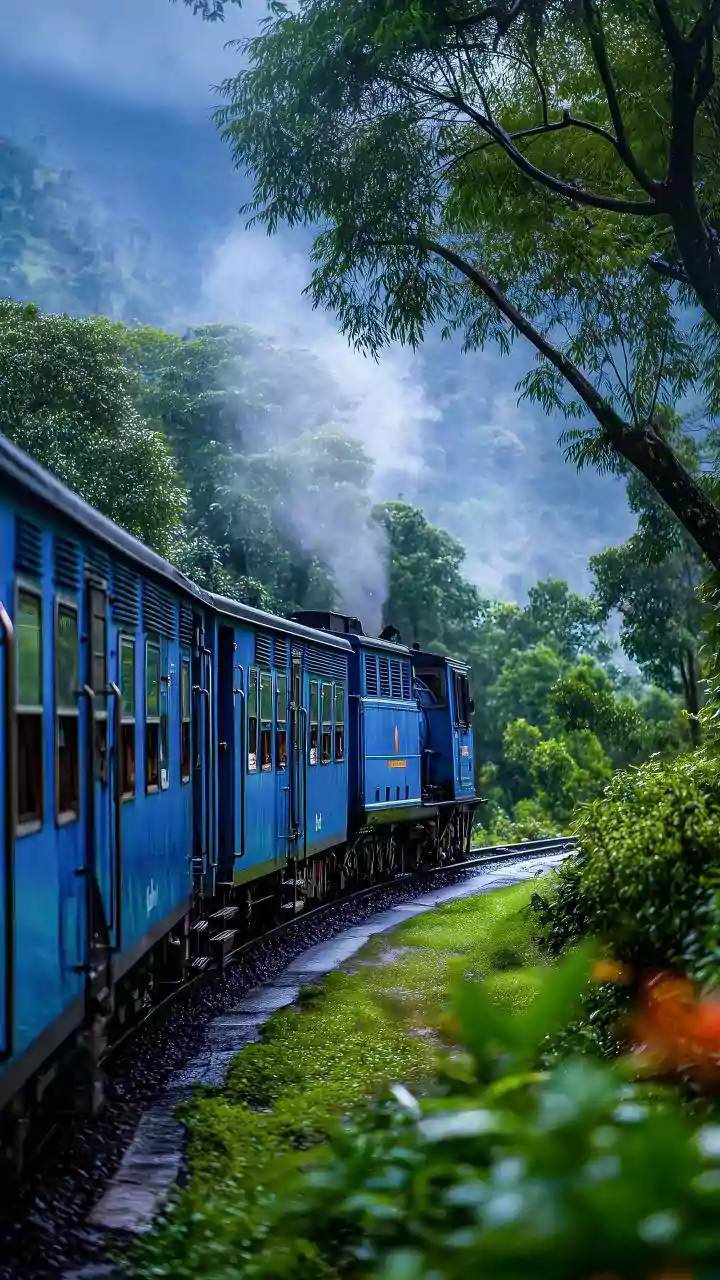




The Monsoon Travel Dilemma
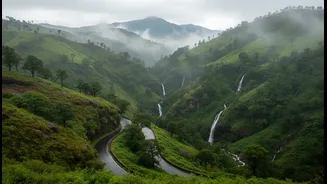
Every year, as the monsoon sweeps across India, countless travellers pack their bags for the hills. The promise of verdant valleys and roaring waterfalls in places like Himachal Pradesh, Uttarakhand, and the Western Ghats is hard to resist. Yet, this
idyllic image is often shattered by reality. The same rains that bring landscapes to life can also unleash devastating landslides, flash floods, and endless traffic snarls. Recent seasons have seen popular destinations like Manali, parts of Wayanad, and the route to Mussoorie become hazardous zones, with authorities issuing travel advisories and cautioning against non-essential trips. For many urban Indians looking for a peaceful break, the risk of getting stranded or facing danger has turned the quintessential monsoon holiday into a gamble.
Geography’s Clever Secret: The Rain Shadow
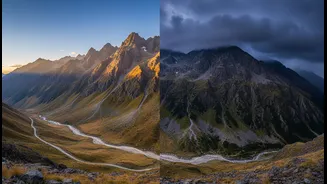
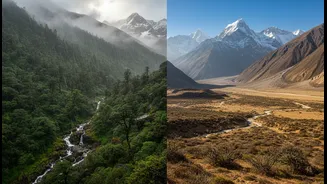
So, how can one enjoy the monsoon season without the associated risks? The answer lies in a simple geographical phenomenon known as the rain-shadow effect. When moisture-laden monsoon winds arrive from the sea, they are forced upwards by mountain ranges like the Western Ghats or the Himalayas. As the air rises, it cools, and its moisture condenses to fall as heavy rain on the windward side—the side facing the wind. By the time the air crosses over the mountain peaks and descends on the other side (the leeward side), it has lost most of its moisture. This descending dry air creates a “shadow” of low rainfall, resulting in a region that remains surprisingly dry and sunny while the other side is being drenched.
The Himalayan Cold Deserts: Ladakh and Spiti
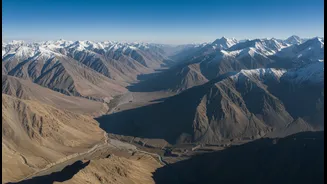
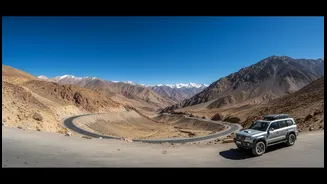
The most dramatic examples of rain-shadow regions in India are the high-altitude cold deserts of Ladakh and Spiti Valley. Sheltered by the towering Himalayan ranges, these areas receive minimal rainfall from the southwest monsoon, making them perfect destinations from June to September. While the rest of North India grapples with downpours, Ladakh offers brilliant blue skies, stunning alpine lakes like Pangong Tso, and a well-developed tourism infrastructure. Spiti Valley, in Himachal Pradesh, offers a more raw and remote experience. It is a quieter, less crowded alternative with a focus on ancient monasteries and immersive homestays in some of India's highest villages. For travellers seeking adventure without the rain, these regions provide a safe and spectacular escape.
The Drier Side of the Western Ghats
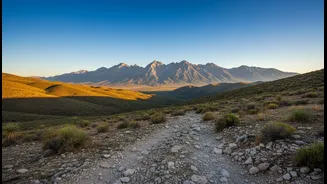
You don’t have to go all the way to the Himalayas to find a rain-shadow getaway. The eastern slopes of the Western Ghats also offer a gentler monsoon experience. While the coastal and western-facing hills of Maharashtra, Karnataka, and Kerala receive torrential rain, the land on the leeward side in states like Tamil Nadu and the Deccan Plateau of Maharashtra and Karnataka remains significantly drier. Destinations like the Theni district, Meghamalai, and Pollachi in Tamil Nadu transform into lush, green landscapes but without the continuous, heavy downpours. This allows for outdoor activities like trekking and sightseeing to continue uninterrupted. These areas offer a perfect compromise: the beauty of monsoon greenery without the crippling intensity and risks of the windward side.
The Smart Traveller’s Choice
The growing popularity of rain-shadow destinations reflects a shift in how urban Indians approach travel. Instead of fighting the weather, they are choosing to understand it and work with it. This trend is about making smarter, safer choices that guarantee a relaxing holiday. It’s a move away from chasing the most popular Instagram spots, which may be risky, towards discovering unique landscapes that are at their prime when other places are inaccessible. The appeal is clear: you get the pleasant, cool weather of the season with the added bonus of sunshine, safety, and the satisfaction of having found a travel hack that geography itself provides.