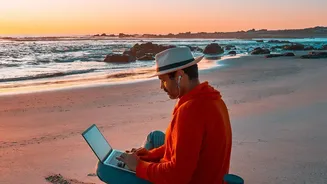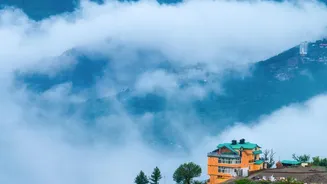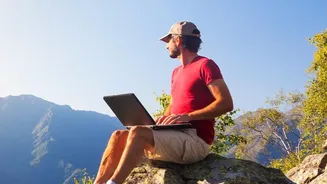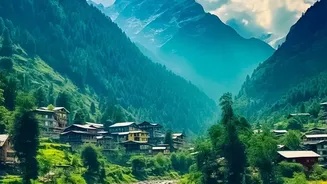




Choosing Your Mountain Base
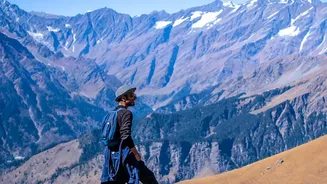
The first step to a successful Himachal workation is picking the right town, as each offers a distinct vibe. Dharamshala, particularly the upper regions of McLeod Ganj and Dharamkot, has become a major hub for digital nomads, offering a unique blend of Tibetan
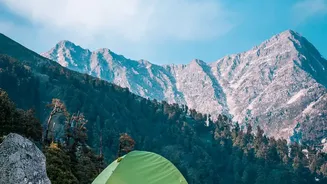
culture, spiritual wellness, and robust infrastructure. It's known for a vibrant community and numerous work-friendly cafes. Manali, especially Old Manali, attracts those seeking adventure and a more social atmosphere, with a lively cafe and music scene to enjoy after a day's work. For freelancers who crave peace and fewer distractions, offbeat destinations like Tirthan Valley, Jibhi, and Bir Billing are gaining popularity. Bir is perfect for adventure lovers who enjoy paragliding, while Tirthan Valley is ideal for deep, focused work amidst unspoiled nature.
The All-Important Connectivity Question
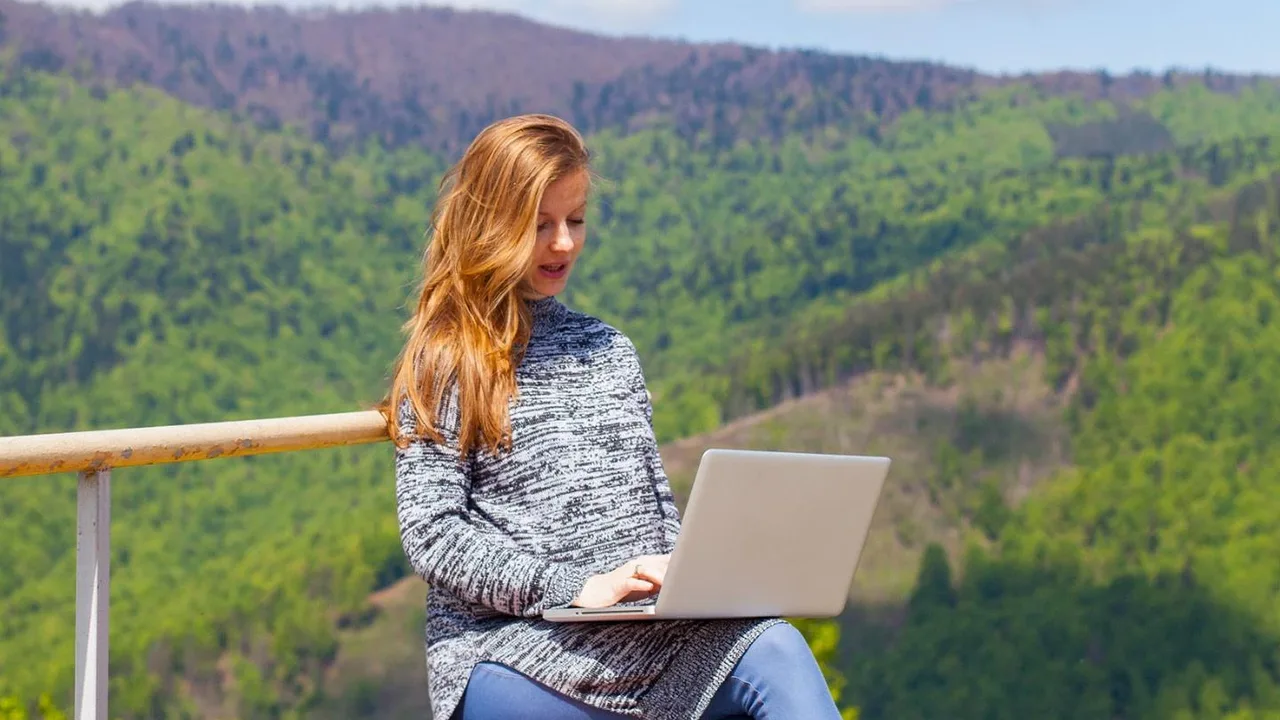
The biggest fear for any remote worker is an unstable internet connection, but Himachal's main towns have largely solved this issue. Major providers have rolled out reliable fiber optic broadband, with speeds in many places reaching 100-300 Mbps, more than enough for video calls and large file transfers. The rise of dedicated coworking and coliving spaces like AltSpace in Dharamshala and others in Manali have been game-changers. These hubs not only guarantee high-speed internet but also provide crucial power backup, ergonomic seating, and a professional environment, ensuring productivity is never compromised by a power cut. Many cafes have also upgraded their Wi-Fi, making them viable alternative workspaces.
The Cost of a Mountain Lifestyle
One of the most appealing aspects of a Himachal workation is its affordability compared to metro cities. A freelancer can live comfortably for a fraction of the cost. For example, a one-bedroom apartment in Manali, including Wi-Fi and electricity, can be rented for around ₹14,000 per month. Monthly living expenses, including accommodation, food, and local travel, can range from ₹25,000 to ₹40,000. Opting for long-term stays of a month or more often brings down rental costs significantly. Co-living spaces, which bundle rent, meals, Wi-Fi, and cleaning, are another popular and economical option, with prices starting from ₹20,000-₹25,000 per month.
Crafting the Perfect Work-Life Blend
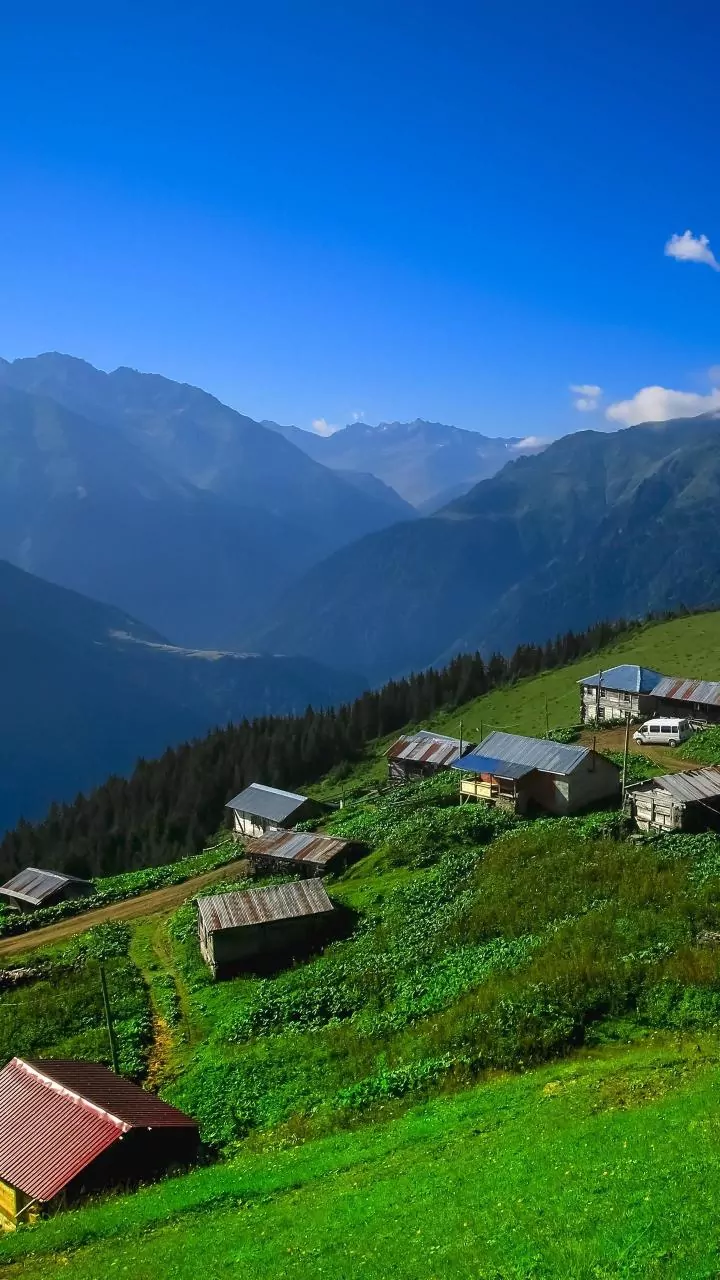
The true quality of life in the mountains comes from redesigning the workday. Freelancers here often adopt a routine that prioritizes both productivity and well-being. A typical day might involve focused work sessions in the quiet morning hours, followed by an afternoon hike, a walk by the river, or exploring a local market. This structure allows for a clear separation between work and leisure. The easy access to nature provides a powerful antidote to screen fatigue and burnout, helping to clear mental fog and boost creativity. Instead of a stressful city commute, the day ends with a sunset stroll through a cedar forest or tea on a balcony overlooking a valley.
Finding Your Tribe in the Hills
Working remotely doesn't have to mean working alone. The workation towns of Himachal are home to a thriving community of freelancers, startup founders, and creators from across the country and the world. This built-in social network is one of the lifestyle's biggest draws. Connections are made organically in coworking spaces, local cafes, and at community events like open mics, workshops, and trekking clubs. These shared spaces foster collaboration and friendship, combating the loneliness that can sometimes accompany freelance life and creating a supportive ecosystem for personal and professional growth.
A Necessary Reality Check
While the lifestyle is idyllic, it's not without its challenges. The biggest hurdle is self-discipline. The call of adventure can be a powerful distraction, and creating a consistent work routine is essential. While connectivity has improved, there can still be occasional outages, especially during heavy monsoons or snowfall, making power backups a necessity. Furthermore, it's important to remember that these are small towns, not cities. Access to certain amenities might be limited, and one must adapt to a slower pace of life, which is a key part of the experience itself.